




403
Sorry!!
Error! We're sorry, but the page you were looking for doesn't exist.
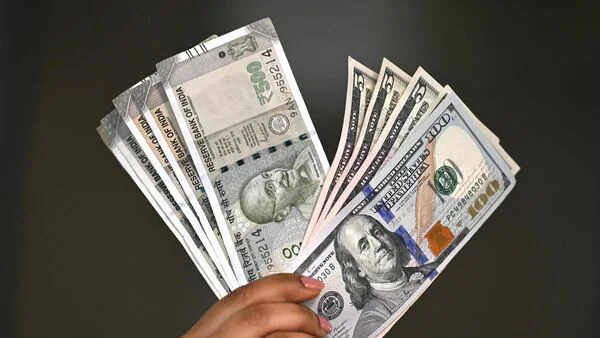
In Charts: How The India-US Trade Deal Restores The Level Playing Field
(MENAFN- Live Mint)
Also Read | Trump tariffs: How India fares vs China, Pakistan post India-US trade d
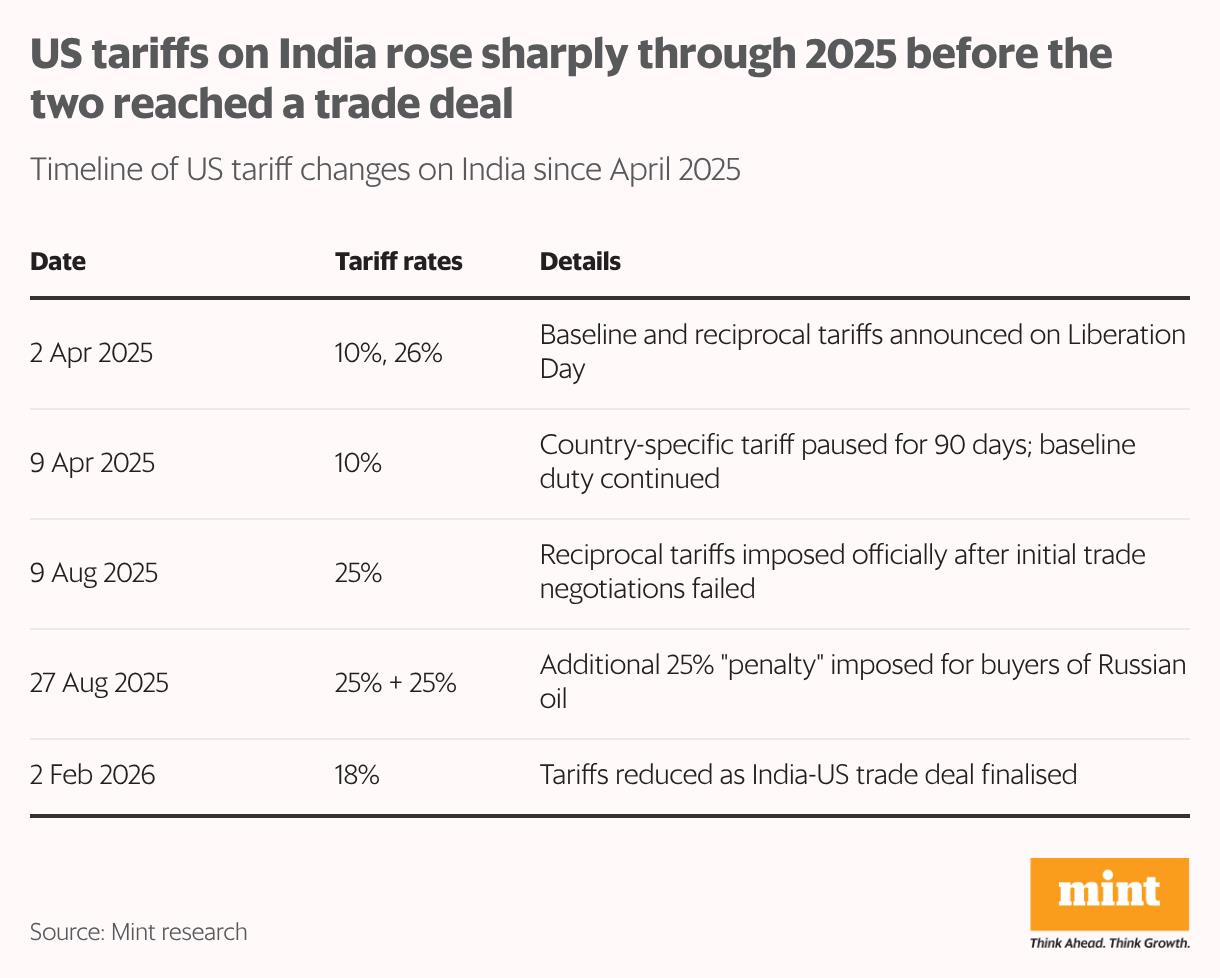
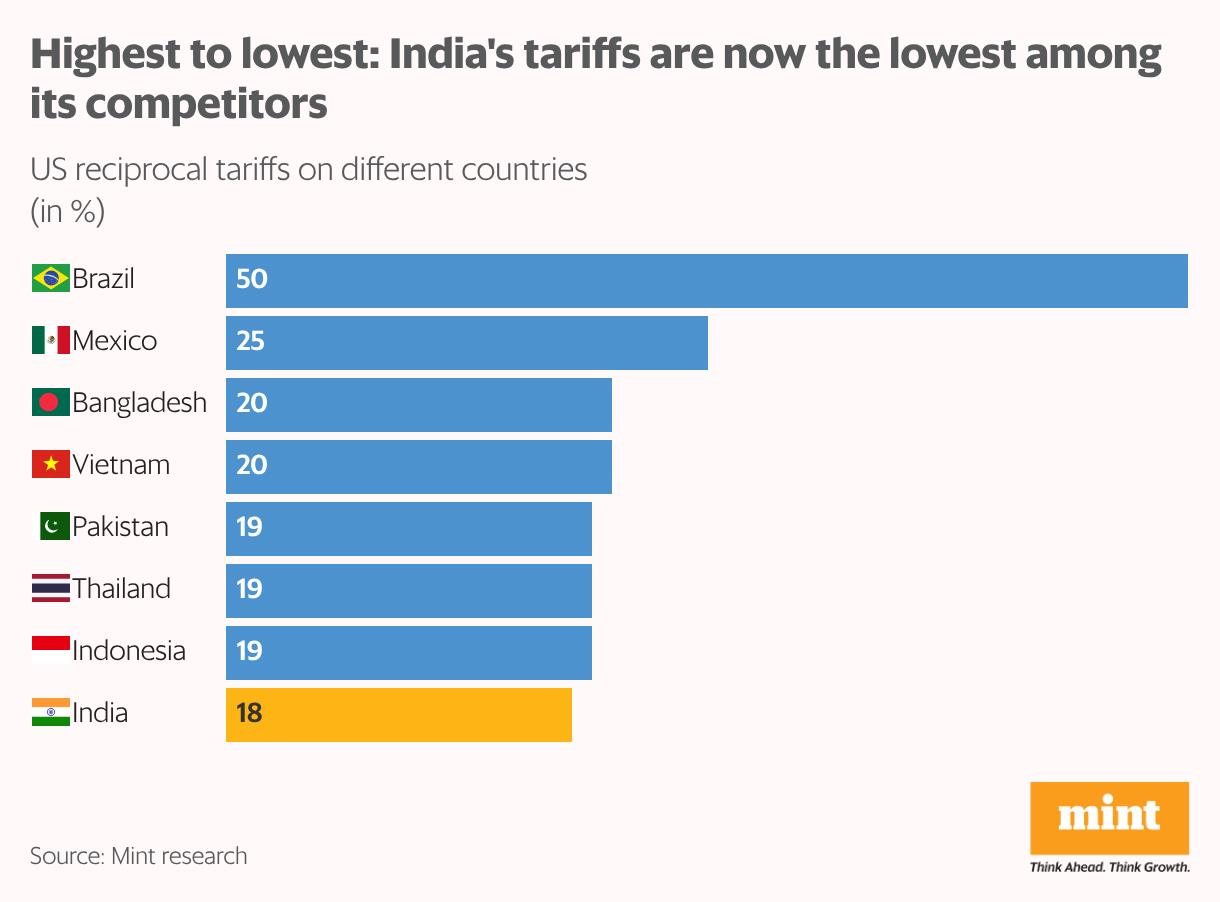
India and the US announced on Monday that they had agreed on a trade deal. India announced that it will would face 18% US tariffs, down from 50%. The US, meanwhile, said India had agreed to stop buying Russian oil, move toward zero tariffs on a wide range of American products and eliminate non-tariff barriers, buy $500 billion of US products, and allow greater access to its farm sector.
India has yet to confirm these aspects of the trade deal. Remember, the US's demand for greater access to India's agricultural market was a sticking point. While a better assessment will be possible once the finer details of the trade deal are released, on the face of it, an 18% tariff on India puts it on a level playing field with other export competitors, if not at an advantage.
Also Read | Trump tariffs: How India fares vs China, Pakistan post India-US trade d
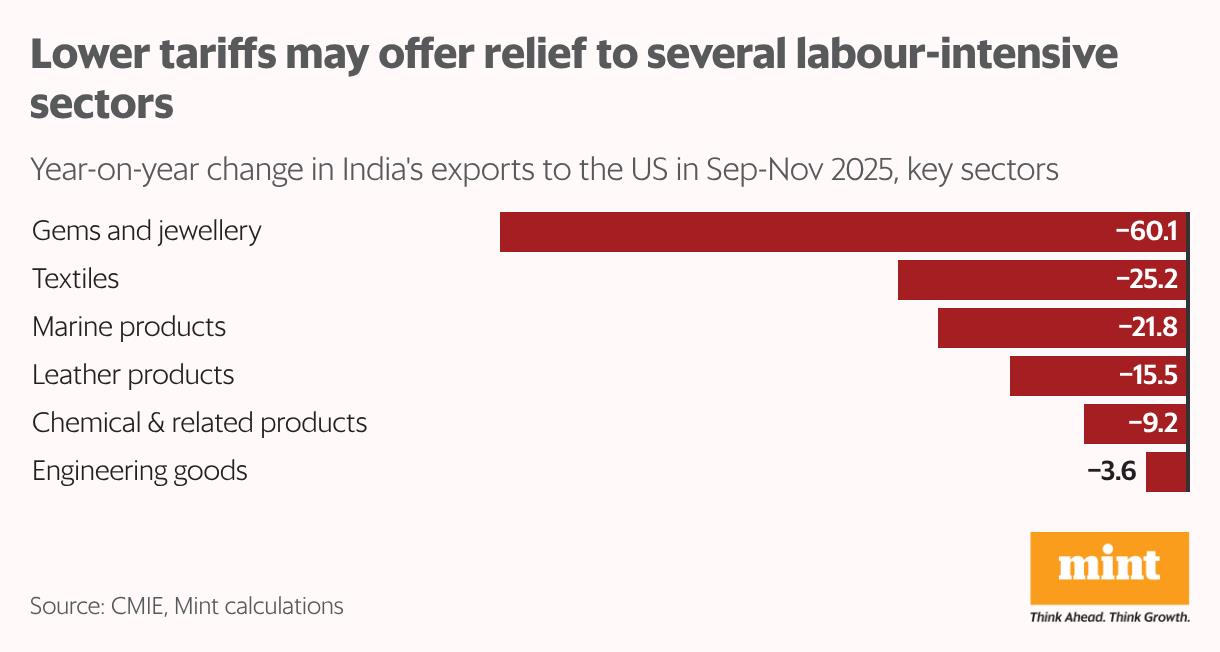
The 50% tariffs, which took effect in late August, dealt a hard blow to several sectors, even as overall exports showed resilience by capturing alternative markets. Gems and jewellery, textiles, and marine products, are among the goods expected to see much-needed relief from lower tariffs.
The announcement of a trade deal comes after nearly a year of dramatic events that strained India's trade and diplomatic ties with the US. While India faced reciprocal tariffs in April 2025 alongside several other nations, negotiations stalled as New Delhi hesitated to open its agricultural market to US products. Tensions further escalated when the Indian government countered President Donald Trump's claims regarding his role in ending the India-Pakistan conflict. The situation worsened in late August, when an additional 25% tariff was imposed, making it the country worst-hit by US tariffs, along with Brazil. The trade deal was essential to keep India's largest export market from slipping.
Trump also claimed on Monday that India had agreed to stop buying Russian oil. Energy imports played a central role in the escalation of tensions between the two nations. Since the Russia-Ukraine war, India has been buying Russian oil at discounted prices. However, India has been curtailing these imports over the last year, as discounts on Russian oil have narrowed.
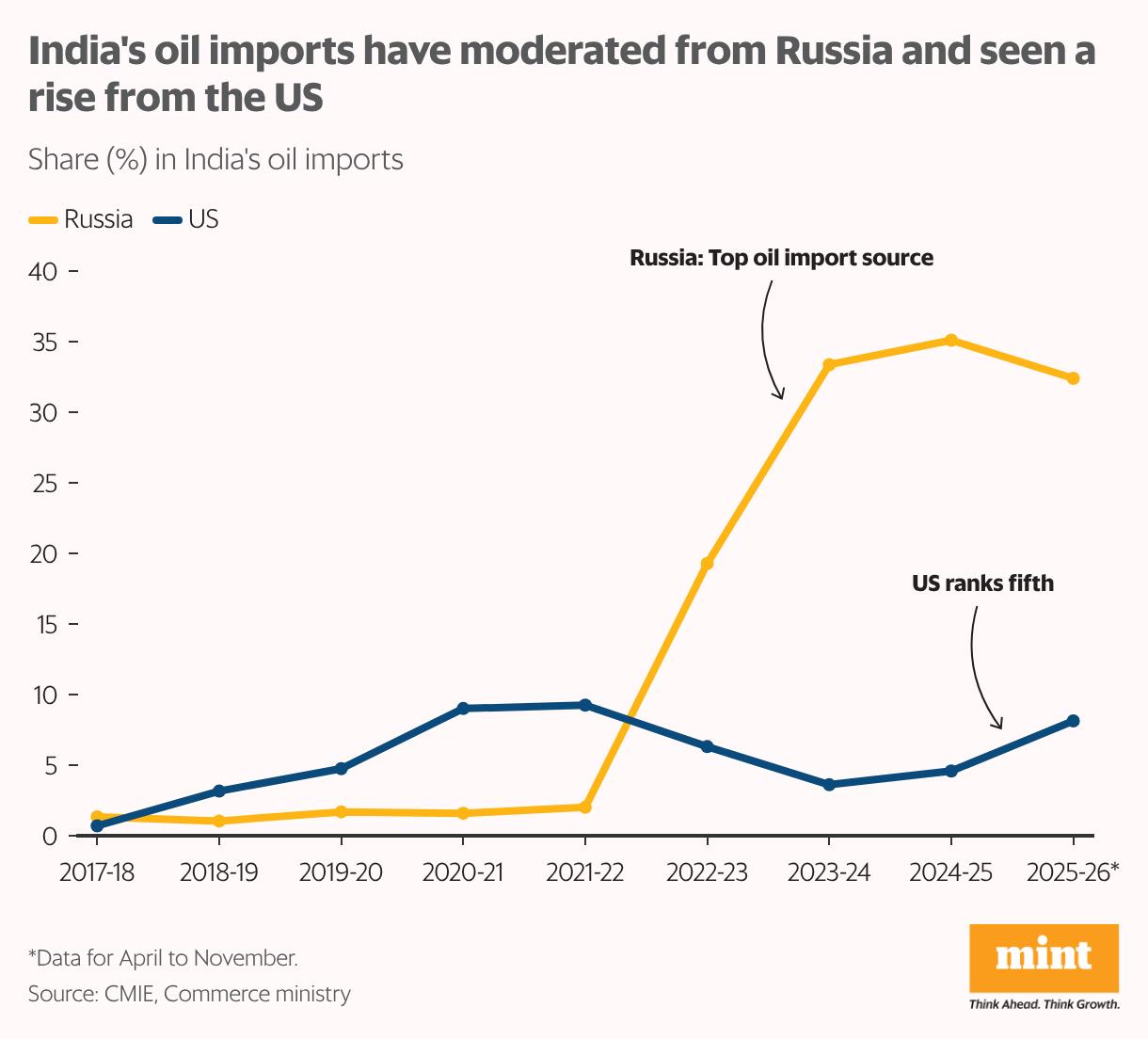
Russia's share of India's crude imports rose sharply from under 2% before 2022 to about 35% in 2024-25, making it India's largest oil supplier. However, the share of Russian oil has declined to 32% in FY26 so far. India became the third-largest purchaser of Russian oil in December, down from second place.
Also Read | Rupee finds its footing after India-US trade dBy contrast, the US accounted for only 5% of India's crude imports until 2024-25, but its share has increased to above 8% in 2025-26 so far, making it the fourth-largest source. The August 2025 penalty tariffs were explicitly tied to these Russian oil purchases, demonstrating how trade measures were used as leverage in broader geopolitical negotiations.
It is not clear what Trump meant when he said India would purchase US goods worth $500 billion and over what period. For context, India-US bilateral trade totalled $132 billion in FY25, with imports from the US coming in around $43 billion.
“(The deal) brings India broadly in line with its Asian peers on tariff rates-at the very least eliminating the earlier unfair and disproportionate drag on exports and, by extension, the rupee," said Madhavi Arora, chief economist at Emkay Global Financial Services.“There are no incremental advantages or preferential placements vis-à-vis Asian peers, but restoring a level playing field is a meaningful reset point from a trade perspective," she added.
Also Read | India, US sync on trade, tari
Legal Disclaimer:
MENAFN provides the
information “as is” without warranty of any kind. We do not accept
any responsibility or liability for the accuracy, content, images,
videos, licenses, completeness, legality, or reliability of the information
contained in this article. If you have any complaints or copyright
issues related to this article, kindly contact the provider above.
Most popular stories
Market Research

More Story






Comments
No comment