




403
Sorry!!
Error! We're sorry, but the page you were looking for doesn't exist.
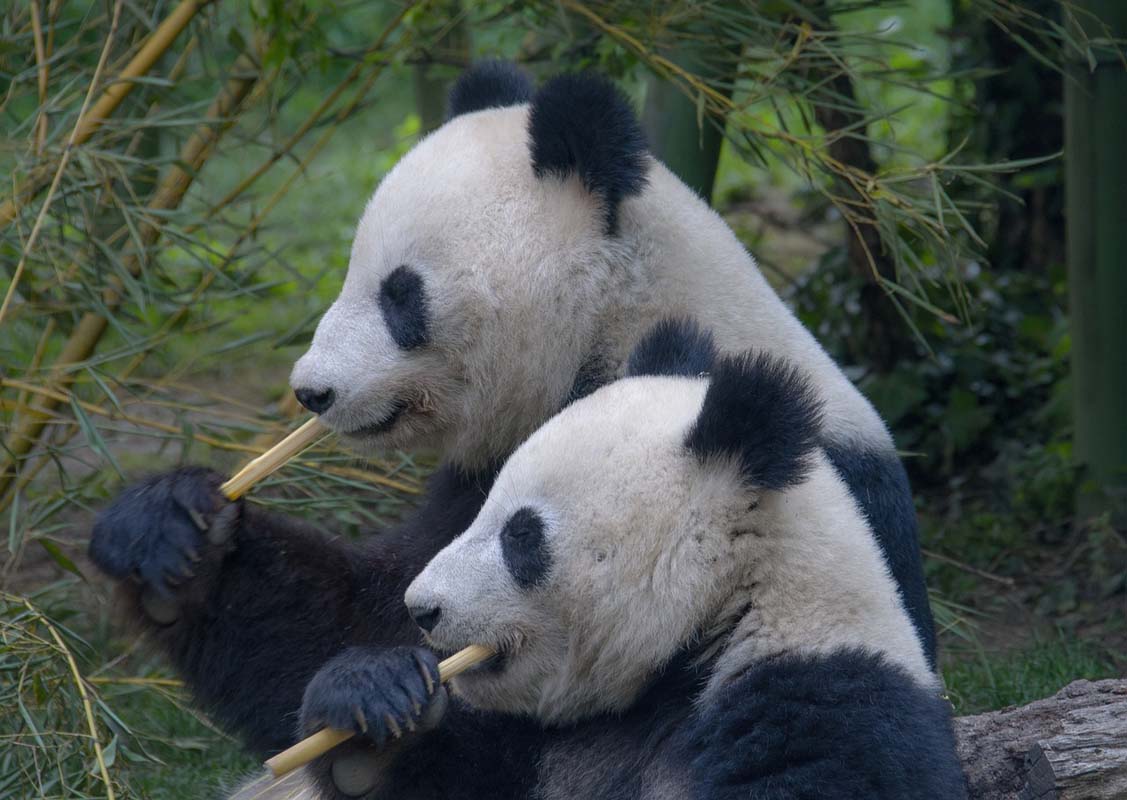
Japan Prepares to Say Goodbye to Its Last Giant Pandas
(MENAFN) Crowds of panda lovers gathered at Tokyo’s Ueno Zoo on Sunday to say a final goodbye to its beloved attractions, giant panda siblings Xiao Xiao and Lei Lei, who are scheduled to be sent back to China later this week. The exit of the four-year-old twins will mark the first time in more than four decades that Japan will be without any pandas.
China originally gifted pandas to Japan in 1972 as a symbol of friendship following the normalization of diplomatic relations between the neighboring nations. Through what Beijing refers to as “panda diplomacy,” the animals remain the property of China and are regarded as national icons and goodwill envoys temporarily loaned to countries with which it aims to build stronger relationships.
Hopes of receiving a new panda pair now seem remote, as ties between Tokyo and Beijing are said to be at their weakest in years.
Tensions have intensified as the two governments exchange sharp rhetoric over Taiwan. The dispute escalated after Japanese Prime Minister Sanae Takaichi stated in November that Japan might become militarily involved if China attempted to invade the self-governing island.
She explained that such a scenario could lead to the mobilization of Japan’s self-defense forces if the situation threatened the nation’s survival, pointing out that parts of Japan are as close as 110 kilometers from Taiwan.
China reacted strongly, denouncing the comments as a “military threat” directed at the country. In the aftermath, both sides summoned each other’s ambassadors, and Beijing released official advisories cautioning travelers and students about trips to Japan.
Since 1949, Taiwan has been governed by Chinese nationalist forces operating under the name Republic of China, following their retreat to the island after losing the civil war. The Chinese government maintains that Taiwan is part of its sovereign domain in accordance with the One China policy.
China originally gifted pandas to Japan in 1972 as a symbol of friendship following the normalization of diplomatic relations between the neighboring nations. Through what Beijing refers to as “panda diplomacy,” the animals remain the property of China and are regarded as national icons and goodwill envoys temporarily loaned to countries with which it aims to build stronger relationships.
Hopes of receiving a new panda pair now seem remote, as ties between Tokyo and Beijing are said to be at their weakest in years.
Tensions have intensified as the two governments exchange sharp rhetoric over Taiwan. The dispute escalated after Japanese Prime Minister Sanae Takaichi stated in November that Japan might become militarily involved if China attempted to invade the self-governing island.
She explained that such a scenario could lead to the mobilization of Japan’s self-defense forces if the situation threatened the nation’s survival, pointing out that parts of Japan are as close as 110 kilometers from Taiwan.
China reacted strongly, denouncing the comments as a “military threat” directed at the country. In the aftermath, both sides summoned each other’s ambassadors, and Beijing released official advisories cautioning travelers and students about trips to Japan.
Since 1949, Taiwan has been governed by Chinese nationalist forces operating under the name Republic of China, following their retreat to the island after losing the civil war. The Chinese government maintains that Taiwan is part of its sovereign domain in accordance with the One China policy.

Legal Disclaimer:
MENAFN provides the
information “as is” without warranty of any kind. We do not accept
any responsibility or liability for the accuracy, content, images,
videos, licenses, completeness, legality, or reliability of the information
contained in this article. If you have any complaints or copyright
issues related to this article, kindly contact the provider above.
Most popular stories
Market Research

More Story








Comments
No comment