





403
Sorry!!
Error! We're sorry, but the page you were looking for doesn't exist.
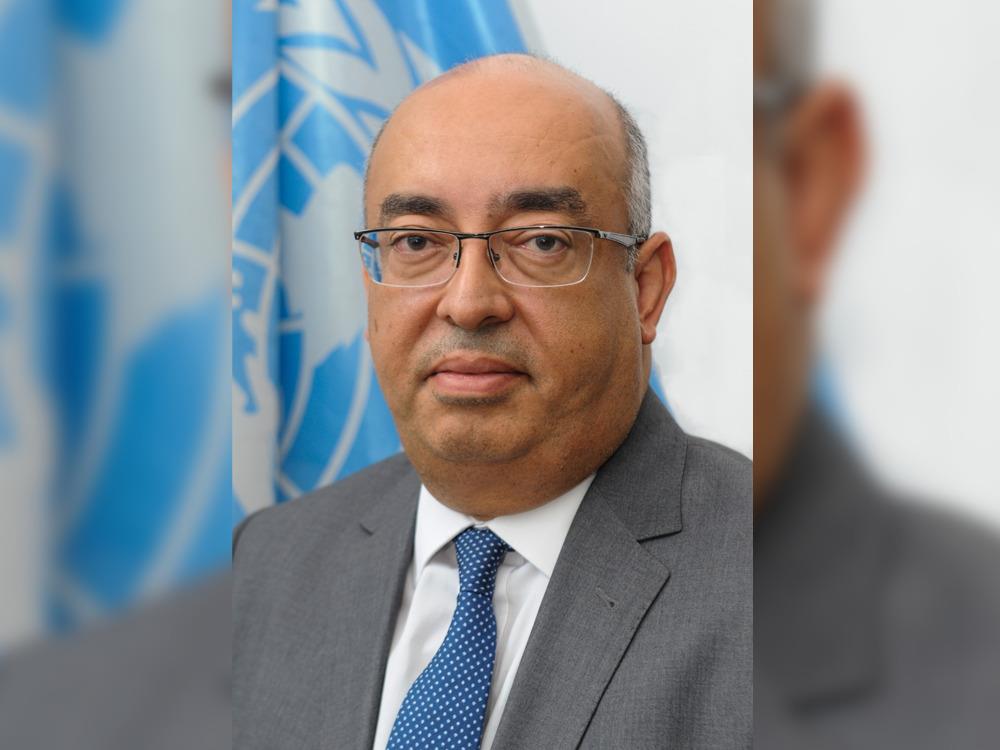
Education Remains Fundamental Human Right: UNESCO Regional Director
(MENAFN- The Peninsula)
The Peninsula
Doha: In a statement marking the day, Director of Unesco's Regional Office for the Gulf States and Yemen Salah Khaled, reaffirmed that education remains a fundamental human right, a public good and a shared responsibility.
This year's global theme,“The Power of Youth in Co-Creating Education,” highlights the growing importance of engaging young people as innovators and decision-makers in building inclusive, relevant and future-ready education systems
With more than half of the world's population now under the age of 30, youth leadership is increasingly seen as pivotal to achieving peaceful, just and sustainable societies.
However, Unesco cautioned that millions of young people across regions, including the Gulf States and Yemen, continue to face barriers such as poverty, inequality and limited access to quality education, which hinder their ability to fully realise their potential.
Meaningful participation, the organisation noted, must go beyond consultation and extend throughout the entire policy formulation and implementation process.
As part of its commitment to strengthening youth engagement, Unesco announced the forthcoming release of a new global measurement tool to track youth participation in education legislation and policymaking.
Developed by the Global Education Report team in partnership with the UN Youth Office, the initiative aims to provide governments with concrete data to assess progress and strengthen accountability in line with commitments made at the Transforming Education Summit and under the Pact for the Future.
The statement also drew attention to the rapid technological, social and economic changes underway in the Gulf States and Yemen.
These transformations, Unesco said, offer an opportunity to rethink how education systems equip young people with the skills required for an innovation-driven and digitally connected world. Greater emphasis is needed on critical thinking, civic responsibility, problem-solving and sustainability to prepare learners for the challenges of the future
Khaled commended young people across the region who are already taking the lead in community learning initiatives, digital innovation, sustainability advocacy and support for peers in crisis-affected settings. Their contributions, he noted, demonstrate that when youth are genuinely empowered, education becomes more inclusive, resilient and responsive to societal needs
Concluding the message, Unesco called on governments, educators, civil society and development partners to place youth at the heart of education reform. Investing in youth participation, the organisation stressed, is not only essential for building stronger education systems but also for securing long-term peace, prosperity and a shared human future,

Legal Disclaimer:
MENAFN provides the
information “as is” without warranty of any kind. We do not accept
any responsibility or liability for the accuracy, content, images,
videos, licenses, completeness, legality, or reliability of the information
contained in this article. If you have any complaints or copyright
issues related to this article, kindly contact the provider above.
Most popular stories
Market Research

More Story






Comments
No comment