




403
Sorry!!
Error! We're sorry, but the page you were looking for doesn't exist.

Gmail Changes Widen Hidden Security Risks
(MENAFN- The Arabian Post)
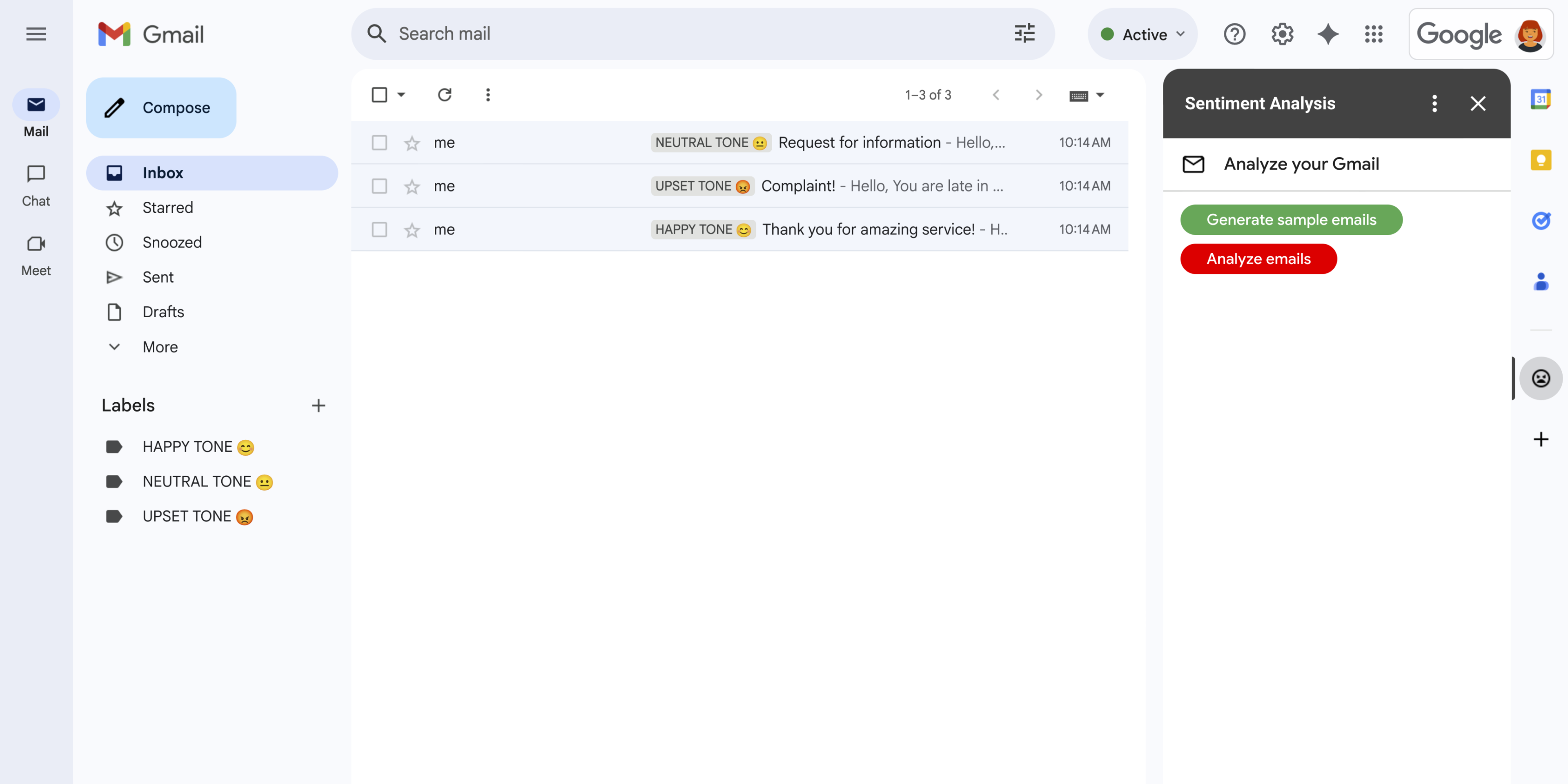
Gmail is undergoing a set of structural changes that extend beyond visible interface tweaks, and security specialists warn the quieter updates could leave millions of accounts exposed if users fail to adjust their settings. The most immediate concern centres on how Google is reworking legacy email access and tightening the way third-party messages are handled inside Gmail, at a time when artificial intelligence tools are becoming more deeply embedded across the service.
Gmail security shifts expose overlooked account risks as Google moves to modernise an email platform that serves more than 1.8 billion users. While much public attention has focused on AI-powered search, writing assistance and spam filtering, changes to background account functions are proving more consequential for long-standing users who rely on older configurations.
One of the most significant shifts involves the gradual withdrawal of Gmail's built-in ability to fetch messages from external email services using the POP3 protocol. For years, users could consolidate messages from work, university or private domains into Gmail through the“check mail from other accounts” feature. Google has begun notifying users that POP-based fetching will no longer be supported, urging a transition to newer authentication and forwarding methods.
Security analysts say the change itself is sensible, as POP3 is an ageing protocol that lacks modern encryption and verification safeguards. The problem lies in awareness. Many Gmail accounts were configured years ago and left untouched, often with weak passwords or outdated forwarding rules that users barely remember setting up. When POP access is withdrawn, those linked accounts can become orphaned, with credentials still active elsewhere but no longer monitored through Gmail.
See also Google deepens Xreal tie-up for Android XR glassesEmail security consultants note that abandoned accounts are a frequent target for credential-stuffing attacks, where stolen passwords from unrelated breaches are reused at scale. If a legacy mailbox continues to exist on an external server without active oversight, it can be compromised silently and used to reset passwords on other services tied to that address.
Alongside the POP3 phase-out, Google is also reworking how Gmail handles addresses and aliases. Expanded use of plus addressing, domain aliases and AI-driven categorisation is designed to reduce spam and improve sorting, but it has also complicated the way users track which addresses are linked to which services. Cybersecurity firms report a rise in account-takeover cases where attackers exploit overlooked aliases to initiate password resets that users miss amid heavy inbox filtering.
The growing role of AI inside Gmail adds another layer of complexity. Automated summarisation, smart replies and priority inbox features rely on machine learning systems that decide which messages are important. While these tools are effective at filtering junk mail, experts caution they can sometimes downrank security alerts, especially those coming from older or infrequently used addresses. A password reset warning routed to a low-priority tab may go unseen for days.
Google has stated that its security model now assumes constant authentication checks rather than static trust. This has led to more frequent prompts, device verification and behavioural analysis. For users, however, the shift means long-standing assumptions about account safety no longer hold. An email address used only occasionally can still act as a gateway to cloud storage, payment services and social media profiles.
See also UAE urges vigilance as WhatsApp flaw threatens accountsIndustry data shows email remains the single most common entry point for digital identity theft. Financial institutions and technology platforms continue to treat email as the default recovery channel, making control of an inbox equivalent to control over a user's digital life. As Gmail tightens older access methods, the window for attackers to exploit neglected configurations may widen temporarily.
Digital safety advocates recommend that users audit their Gmail settings carefully, focusing on linked accounts, forwarding rules, recovery email addresses and phone numbers. Removing unused aliases, updating passwords on external mailboxes and enabling two-step verification across all connected services are viewed as essential steps rather than optional upgrades.
There is also a broader trend at play. Major email providers are steadily retiring protocols and features designed for a less hostile internet era. The transition is uneven, and users who do not follow technical announcements closely can be caught off guard. In the case of Gmail, the combination of legacy feature retirement and AI-driven inbox management creates a risk gap that attackers are quick to exploit.
Notice an issue? Arabian Post strives to deliver the most accurate and reliable information to its readers. If you believe you have identified an error or inconsistency in this article, please don't hesitate to contact our editorial team at editor[at]thearabianpost[dot]com. We are committed to promptly addressing any concerns and ensuring the highest level of journalistic integrity.

Legal Disclaimer:
MENAFN provides the
information “as is” without warranty of any kind. We do not accept
any responsibility or liability for the accuracy, content, images,
videos, licenses, completeness, legality, or reliability of the information
contained in this article. If you have any complaints or copyright
issues related to this article, kindly contact the provider above.
Most popular stories
Market Research

More Story








Comments
No comment