









403
Sorry!!
Error! We're sorry, but the page you were looking for doesn't exist.
Kestrels Take Wing As Michigan Orchards Cut Pests
(MENAFN- The Arabian Post)
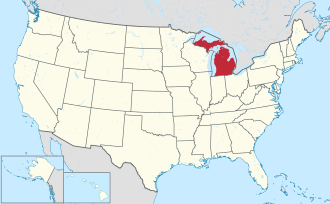
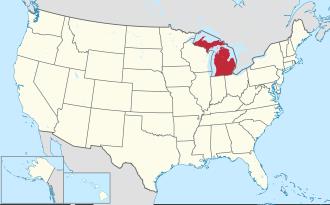
Michigan's cherry growers are turning to a small falcon with a big appetite for problem birds, placing nesting boxes for American kestrels across orchards to curb fruit damage and reduce contamination risks without chemicals. The approach, adopted over several growing seasons, reflects a broader shift towards nature-based solutions as producers balance yields, food safety and environmental pressures.
Kestrels, among North America's most widespread raptors, prey on starlings, robins and other birds that peck cherries and leave droppings capable of carrying pathogens such as Campylobacter. By establishing kestrel territories near orchards, farmers are altering bird behaviour as much as removing pests outright. The presence of a hunting raptor discourages flocking birds from settling, cutting losses that growers say once reached unsustainable levels during peak ripening.
Field observations from Michigan's cherry belt show orchards with active kestrel boxes reporting sharply lower bird damage compared with similar sites without raptors. Growers describe reductions that run into multiples rather than marginal gains, translating into higher marketable yields and less need for netting, scare devices or chemical deterrents. Food safety specialists also note the ancillary benefit of fewer droppings on fruit and packing surfaces, a factor that has gained prominence as processors tighten standards.
The initiative has been driven by collaborations between growers, extension scientists and conservation groups. Researchers mapped kestrel habitat preferences and box placement to ensure nesting success while avoiding disturbance to farm operations. Boxes are typically mounted on poles or barn edges overlooking rows, spaced to respect the birds' territorial range. Monitoring during breeding seasons tracks occupancy, fledging rates and changes in pest activity, providing data to refine placement and density.
See also AI fakes expose UK election risksFor farmers, the economics have been persuasive. The upfront cost of a nest box is modest, and maintenance is limited to annual cleaning and occasional repairs. Once a pair establishes, benefits can accrue across multiple seasons. Several growers report that kestrels return year after year, creating a self-sustaining deterrent that complements integrated pest management plans. Insurance underwriters and buyers have shown interest as well, viewing the method as a risk-reduction tool rather than a novelty.
Beyond cherries, trials are under way in apples, blueberries and vineyards, where bird pressure can be intense and consumer scrutiny of chemical inputs is high. Early results suggest similar behavioural effects, though researchers caution that species mix, landscape features and prey availability influence outcomes. Open fields with perches and hunting corridors favour kestrels, while heavily wooded edges may limit effectiveness. As a result, the method is being promoted as adaptable rather than universal.
Conservationists highlight another dimension: kestrel populations have declined in parts of the Midwest due to habitat loss and competition for nesting sites. Agricultural landscapes that provide boxes and prey can serve as refuges, boosting local biodiversity. That alignment of farm utility and wildlife support has helped the programme win backing from public agencies and philanthropic funders focused on sustainable agriculture.
Sceptics within the industry raise practical questions. Raptors do not eliminate all bird damage, and extreme weather or prey shortages can disrupt nesting. There are also regulatory considerations around protected species and worker safety near active nests. Extension advisers stress the need for training and monitoring to avoid unintended consequences, including conflicts with other beneficial birds.
See also Trump halts second Venezuela assault after cooperationNotice an issue? Arabian Post strives to deliver the most accurate and reliable information to its readers. If you believe you have identified an error or inconsistency in this article, please don't hesitate to contact our editorial team at editor[at]thearabianpost[dot]com. We are committed to promptly addressing any concerns and ensuring the highest level of journalistic integrity.

Legal Disclaimer:
MENAFN provides the
information “as is” without warranty of any kind. We do not accept
any responsibility or liability for the accuracy, content, images,
videos, licenses, completeness, legality, or reliability of the information
contained in this article. If you have any complaints or copyright
issues related to this article, kindly contact the provider above.
Most popular stories
Market Research

More Story







Comments
No comment