


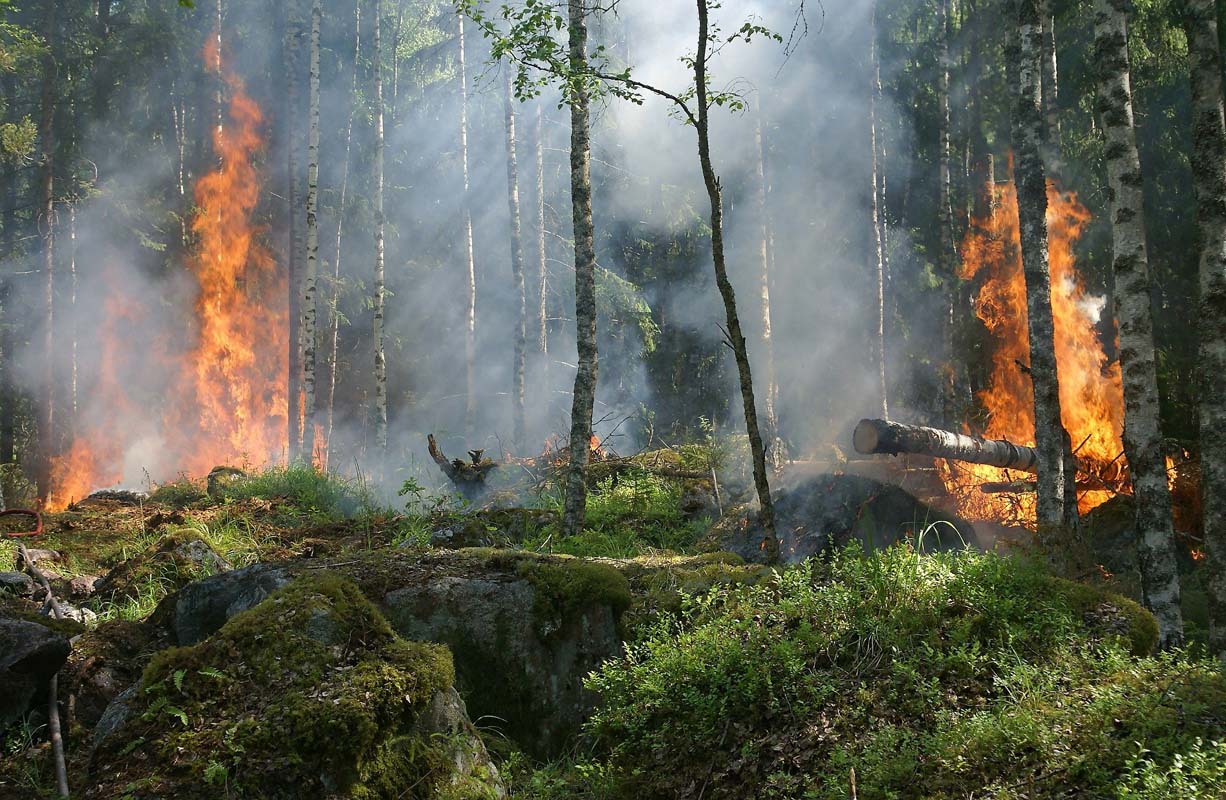
Amazon Fire Smoke Could Contribute to Tree Growth


(MENAFN) Forest fire smoke sweeping across the Amazon basin may be triggering accelerated vegetation development in untouched rainforest zones, according to newly released research findings.
Scientists at Antwerp University in Belgium alongside colleagues from Barcelona's CREAF research institute have identified smoke as a surprising source of nutrient distribution, specifically phosphorus, which functions as an organic fertilizer once it settles onto pristine forest terrain, a news agency disclosed Tuesday.
This nutrient dispersal mechanism stimulates accelerated tree development while boosting the forest's capacity to absorb atmospheric carbon dioxide, according to the research team.
Fire activity concentrates predominantly throughout the Amazon's heavily cleared southern territories. Seasonal wind patterns during dry months transport smoke plumes toward northern and eastern directions, depositing phosphorus across undisturbed forest substrates.
The investigation revealed phosphorus exerted more significant influence on vegetation expansion than climatic factors including temperature or precipitation levels. Through satellite imaging analysis, scientists detected elevated photosynthetic activity in territories that received higher phosphorus concentrations.
Statistical analysis showed each additional milligram of phosphorus distributed across one square meter of forest floor generated approximately 7.4 grams of additional annual carbon sequestration, researchers reported. Forest canopies simultaneously grew denser, enhancing their photosynthetic efficiency and atmospheric carbon dioxide capture capabilities.
The research team emphasized that wildfires continue representing severe ecological hazards, yet noted their work underscores complex ecosystem interdependencies. Although combustion events discharge carbon at ignition sites, evidence suggests they may simultaneously amplify carbon absorption throughout geographically separated forest regions.
Scientists at Antwerp University in Belgium alongside colleagues from Barcelona's CREAF research institute have identified smoke as a surprising source of nutrient distribution, specifically phosphorus, which functions as an organic fertilizer once it settles onto pristine forest terrain, a news agency disclosed Tuesday.
This nutrient dispersal mechanism stimulates accelerated tree development while boosting the forest's capacity to absorb atmospheric carbon dioxide, according to the research team.
Fire activity concentrates predominantly throughout the Amazon's heavily cleared southern territories. Seasonal wind patterns during dry months transport smoke plumes toward northern and eastern directions, depositing phosphorus across undisturbed forest substrates.
The investigation revealed phosphorus exerted more significant influence on vegetation expansion than climatic factors including temperature or precipitation levels. Through satellite imaging analysis, scientists detected elevated photosynthetic activity in territories that received higher phosphorus concentrations.
Statistical analysis showed each additional milligram of phosphorus distributed across one square meter of forest floor generated approximately 7.4 grams of additional annual carbon sequestration, researchers reported. Forest canopies simultaneously grew denser, enhancing their photosynthetic efficiency and atmospheric carbon dioxide capture capabilities.
The research team emphasized that wildfires continue representing severe ecological hazards, yet noted their work underscores complex ecosystem interdependencies. Although combustion events discharge carbon at ignition sites, evidence suggests they may simultaneously amplify carbon absorption throughout geographically separated forest regions.

Legal Disclaimer:
MENAFN provides the
information “as is” without warranty of any kind. We do not accept
any responsibility or liability for the accuracy, content, images,
videos, licenses, completeness, legality, or reliability of the information
contained in this article. If you have any complaints or copyright
issues related to this article, kindly contact the provider above.


Comments
No comment