




403
Sorry!!
Error! We're sorry, but the page you were looking for doesn't exist.
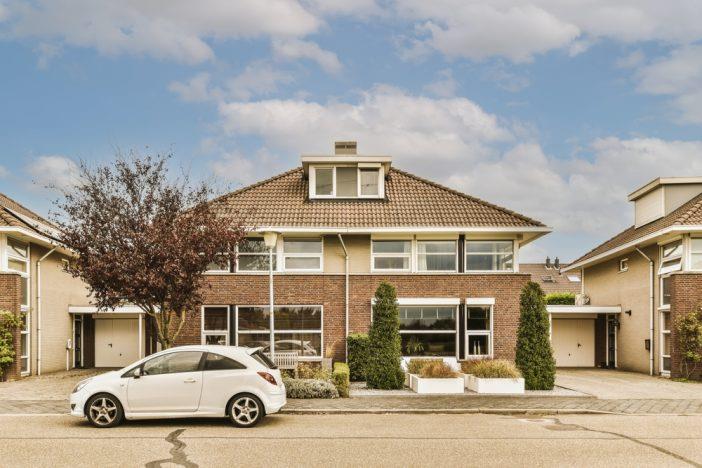
Cops Say This Parking Move Is A Magnet For $300 Fines-And It's Catching California Men Off Guard
(MENAFN- Clever Dude) Imagine waking up to a $300 fine for parking in your own driveway. That's exactly what's happening to California homeowners (especially men), who unknowingly violate obscure local zoning codes. Police departments and code enforcement officers across the state are cracking down on a parking habit that many assume is perfectly legal. But in cities like San Francisco, Los Angeles, and San Diego, the rules are changing fast, and the fines are real. Here's what you need to know about the situation.Parking in Front of Your Own Garage? Not Always Legal
It might seem harmless to park in front of your garage, especially if you're not blocking the sidewalk. But in many California cities, this move is now considered a zoning violation unless the space is officially designated as a legal parking spot. Even if the area is paved and has been used for decades, it may not meet current municipal standards. Homeowners in San Francisco have been hit with fines as high as $1,542 for this exact issue. The law doesn't care how long you've been doing it. At the end of the day, it's still illegal.
Many residents assume that owning the property gives them the right to park wherever they want on it. Unfortunately, local ordinances often say otherwise. In California, it's illegal to park in front of a public or private driveway (even your own) if it obstructs access or violates zoning rules. These laws are enforced by both police and city code enforcement, and ignorance is not a defense. What feels like common sense can quickly become a costly mistake.
Why the Crackdown Is Happening NowCities across California are under pressure to reduce visual clutter, improve pedestrian safety, and enforce long-ignored zoning codes. In some cases, neighbors have reported violations, triggering surprise inspections. In others, city officials are proactively scanning residential areas for non-compliant parking. The result? A surge in citations, especially in urban areas where space is tight and enforcement is strict.
The $300 Fine Is Just the BeginningWhile some homeowners have been hit with fines exceeding $1,000, many cities issue initial citations of around $300. But if you ignore the notice or repeat the violation, the penalties can escalate quickly. In some jurisdictions, you may also be required to remove or alter your driveway to comply with zoning standards. That means hiring contractors, submitting permits, and spending thousands to fix a problem you didn't know existed. The financial ripple effect can be brutal.
While the law applies to everyone, men, especially homeowners who handle their own parking and home maintenance, are often the ones caught off guard. Many grew up parking in driveways without issue and assume the rules haven't changed. But as cities modernize their zoning codes, those assumptions are proving costly. Men who own older homes with non-conforming driveways are particularly vulnerable. It's a wake-up call to double-check what's legal before pulling into your usual spot.
If you receive a citation, don't panic, but don't ignore it either. First, read the notice carefully and check the specific code you're accused of violating. You may be able to appeal the fine or request a hearing, especially if you've never been warned before. Document your parking setup with photos and any historical use that might support your case. In some cases, public pressure or media attention has led cities to waive or reduce fines.
How to Check If Your Driveway Is LegalThe best way to avoid a fine is to verify whether your driveway or parking pad is officially recognized by your city. Contact your local planning or zoning department and ask if your parking area is considered a legal, permitted space. Some cities offer online tools or maps that show approved parking zones. If your space isn't listed, you may need to apply for a variance or stop using it altogether. It's a hassle, but far better than a surprise citation.
This Isn't Just a FineThis wave of driveway fines isn't just about money; it's about awareness. California's evolving zoning laws are catching residents off guard, and the consequences are steep. What used to be normal is now a violation, and enforcement is only getting stricter. If you live in California, especially in a major city, it's time to rethink your parking habits. Don't wait for a ticket to find out your driveway isn't as safe as you thought.
Have you or someone you know been fined for parking in your own driveway? Drop your story in the comments.

Legal Disclaimer:
MENAFN provides the
information “as is” without warranty of any kind. We do not accept
any responsibility or liability for the accuracy, content, images,
videos, licenses, completeness, legality, or reliability of the information
contained in this article. If you have any complaints or copyright
issues related to this article, kindly contact the provider above.
Most popular stories
Market Research

More Story








Comments
No comment