


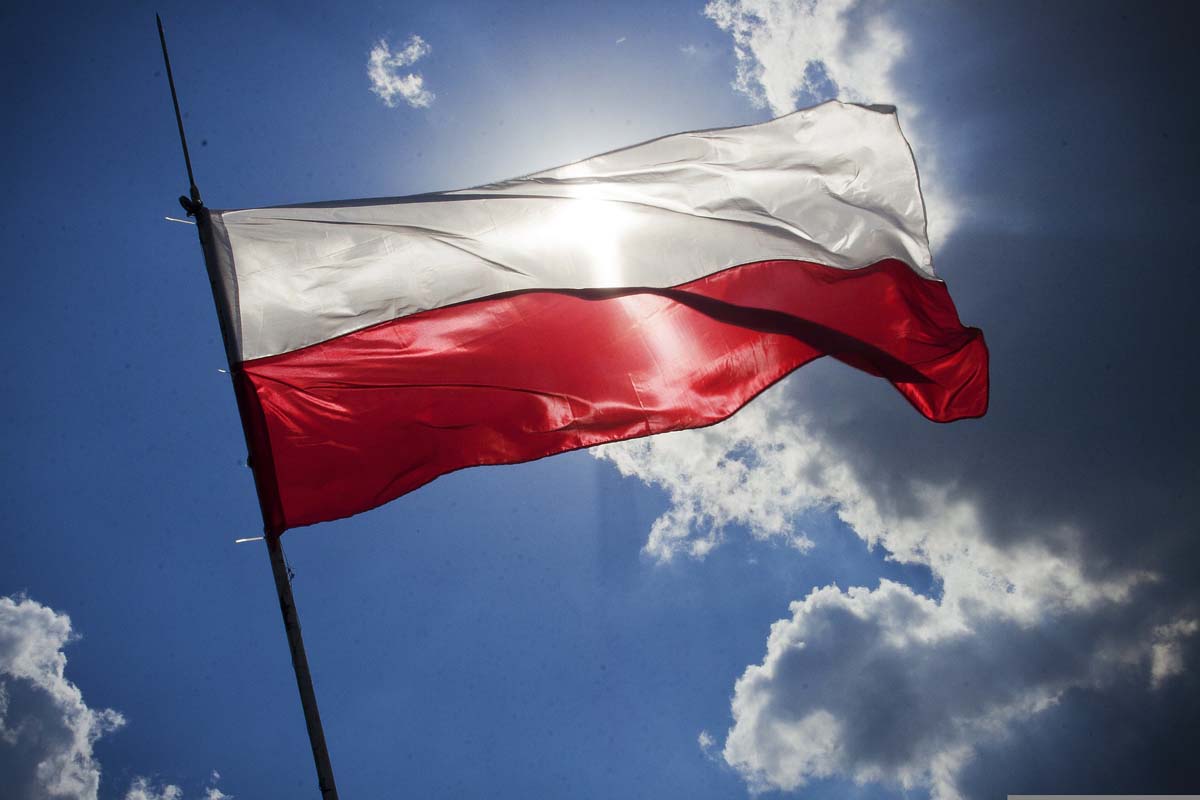
Russia Only Negotiates When Money Runs Out, Poland Says


(MENAFN) Russia will pursue genuine peace talks with Ukraine only after intensified economic sanctions force President Vladimir Putin to acknowledge that military victory remains unattainable, Polish Foreign Minister Radosław Sikorski declared Sunday.
Speaking to a Polish news network, Sikorski argued that durable resolution depends on Russia's governing elite recognizing the Ukrainian invasion as fundamentally flawed and accepting that imperial reconstruction through military aggression has become impossible in the modern era.
"This is the problem with dictators," he said. "When someone has been in power for (over) 20 years, very few people tell him what reality actually looks like."
Consistent and unified economic penalties remain critical to reshaping the Kremlin's strategic thinking, Sikorski emphasized, highlighting Poland's leadership role within the European Union in championing stricter measures against Russia's banking infrastructure, hydrocarbon exports and acquisition of advanced Western technology.
Restrictions specifically aimed at Russian petroleum revenues, coupled with constraints on maritime insurance coverage, transportation services and pricing mechanisms, have substantially diminished Moscow's budgetary flexibility, though the full political ramifications require extended time to materialize, he explained.
Russia's deepening economic dependencies on politically volatile nations such as Venezuela demonstrate the enduring consequences of separation from Western commercial systems, Sikorski observed. Energy sector collaboration between Moscow and Caracas reflects Russia's contracting network of economic allies and introduces heightened vulnerabilities linked to enforcement measures, supply chain complications and unpredictable petroleum markets worldwide.
Any framework permitting Russia to maintain occupied territories in eastern Ukraine would validate military aggression, Sikorski cautioned, suggesting the Kremlin might interpret territorial demands confined to Donbas as diplomatic concessions, while Moscow's recent territorial acquisitions would still position Russia generations away from complete Ukrainian subjugation.
He issued stern warnings against halting hostilities without robust protective assurances for Kyiv, stressing that Ukraine requires pathways toward EU membership and capability to secure its frontiers after combat cessation.
"Otherwise, we have a recipe for another war," he said.
Sikorski dismissed suggestions that Poland has been excluded from global deliberations regarding Ukraine, referencing Prime Minister Donald Tusk's recent attendance at a Berlin summit.
Addressing transatlantic defense cooperation, Sikorski insisted Europe must bolster its military manufacturing capacity irrespective of forthcoming US presidential election results, cautioning that potential American military reorientation toward Asia could constrain Washington's capacity to assist European security requirements.
"By the end of this decade, we must have armed forces that Putin will not dare to test," he said.
"President (Donald) Trump was right from the beginning in saying that Europe had benefited from the peace dividend for too long," he said. "We heard that message and doubled our defense spending."
Sikorski noted that American military deployment in Poland serves mutual strategic interests, revealing that Warsaw allocates approximately $15,000 annually per American service member and that stationing forces in Poland proves more economically efficient for the US than domestic basing. Washington plans additional infrastructure investments in US installations throughout Poland valued at hundreds of millions of dollars, he disclosed.
Speaking to a Polish news network, Sikorski argued that durable resolution depends on Russia's governing elite recognizing the Ukrainian invasion as fundamentally flawed and accepting that imperial reconstruction through military aggression has become impossible in the modern era.
"This is the problem with dictators," he said. "When someone has been in power for (over) 20 years, very few people tell him what reality actually looks like."
Consistent and unified economic penalties remain critical to reshaping the Kremlin's strategic thinking, Sikorski emphasized, highlighting Poland's leadership role within the European Union in championing stricter measures against Russia's banking infrastructure, hydrocarbon exports and acquisition of advanced Western technology.
Restrictions specifically aimed at Russian petroleum revenues, coupled with constraints on maritime insurance coverage, transportation services and pricing mechanisms, have substantially diminished Moscow's budgetary flexibility, though the full political ramifications require extended time to materialize, he explained.
Russia's deepening economic dependencies on politically volatile nations such as Venezuela demonstrate the enduring consequences of separation from Western commercial systems, Sikorski observed. Energy sector collaboration between Moscow and Caracas reflects Russia's contracting network of economic allies and introduces heightened vulnerabilities linked to enforcement measures, supply chain complications and unpredictable petroleum markets worldwide.
Any framework permitting Russia to maintain occupied territories in eastern Ukraine would validate military aggression, Sikorski cautioned, suggesting the Kremlin might interpret territorial demands confined to Donbas as diplomatic concessions, while Moscow's recent territorial acquisitions would still position Russia generations away from complete Ukrainian subjugation.
He issued stern warnings against halting hostilities without robust protective assurances for Kyiv, stressing that Ukraine requires pathways toward EU membership and capability to secure its frontiers after combat cessation.
"Otherwise, we have a recipe for another war," he said.
Sikorski dismissed suggestions that Poland has been excluded from global deliberations regarding Ukraine, referencing Prime Minister Donald Tusk's recent attendance at a Berlin summit.
Addressing transatlantic defense cooperation, Sikorski insisted Europe must bolster its military manufacturing capacity irrespective of forthcoming US presidential election results, cautioning that potential American military reorientation toward Asia could constrain Washington's capacity to assist European security requirements.
"By the end of this decade, we must have armed forces that Putin will not dare to test," he said.
"President (Donald) Trump was right from the beginning in saying that Europe had benefited from the peace dividend for too long," he said. "We heard that message and doubled our defense spending."
Sikorski noted that American military deployment in Poland serves mutual strategic interests, revealing that Warsaw allocates approximately $15,000 annually per American service member and that stationing forces in Poland proves more economically efficient for the US than domestic basing. Washington plans additional infrastructure investments in US installations throughout Poland valued at hundreds of millions of dollars, he disclosed.

Legal Disclaimer:
MENAFN provides the
information “as is” without warranty of any kind. We do not accept
any responsibility or liability for the accuracy, content, images,
videos, licenses, completeness, legality, or reliability of the information
contained in this article. If you have any complaints or copyright
issues related to this article, kindly contact the provider above.


Comments
No comment