










403
Sorry!!
Error! We're sorry, but the page you were looking for doesn't exist.

5 Grocery Purchases That Waste The Most Money In Winter
(MENAFN- Grocery Coupon Guide)
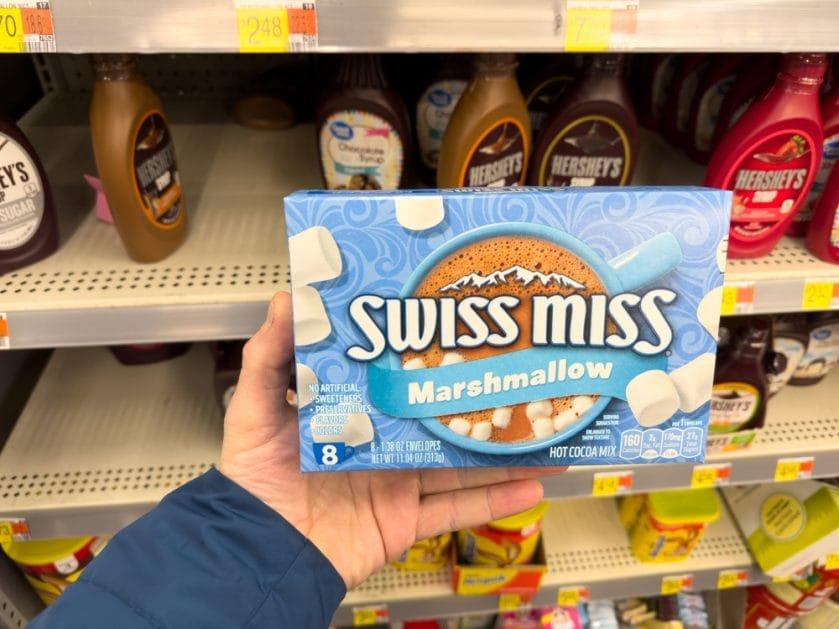
Image source: shutterstock
Winter grocery shopping has a sneaky way of turning“just grabbing a few things” into a cart full of pricey comfort buys. Cold weather makes us crave convenience, warmer meals, and little treats that feel deserved after a long day. The problem is that some winter favorites are built to disappear fast, spoil quickly, or cost way more than they should. If you want to keep your budget steady through the season, it helps to spot the usual suspects before they land in your cart. Here are five grocery purchases that often waste the most money in winter, plus easy swaps that still feel cozy.
1. Pre-Cut Produce and“Ready-to-Eat” Fruit TraysPre-cut produce is one of the fastest ways to waste the most money because you're paying for convenience and losing shelf life at the same time. In winter, those trays can sit longer in cold fridges at the store, and you don't always see the bruised pieces until you open them at home. Buy a whole pineapple, melon, or grapes and prep them once, then portion them into containers for the week. If chopping feels like a barrier, grab a single whole item that's easy to rinse and eat, like apples, oranges, or bananas. You'll get more servings for less, and you'll toss fewer sad leftovers into the trash.
2. Out-of-Season Produce That Wastes the Most MoneyOut-of-season berries and specialty produce often waste the most money because the price is high and the quality can be hit-or-miss. Winter shipments travel farther, which can mean fruit that looks fine but turns mushy or moldy within a day or two. If you want berries for smoothies or baking, frozen fruit usually tastes better and lasts for weeks instead of days. For fresh options, lean into what holds up well in winter, like citrus, apples, pears, cabbage, and hearty greens. You'll still eat produce regularly, but you won't feel like you're racing the clock to use it before it collapses.
3. Single-Serve“Heat and Sip” Comfort ItemsSingle-serve soups, instant oatmeal cups, and premium cocoa packets can waste the most money because the cost per serving is wildly higher than the pantry version. They feel perfect for winter because they're quick, warm, and comforting, especially on busy days. The trick is to recreate the convenience without paying for tiny portions and extra packaging. Make a big batch of soup or chili once, then freeze individual servings so you can microwave your own grab-and-go meals. You'll keep the cozy factor while cutting the per-bowl cost dramatically.
4. Seasonal Baking Kits and Holiday“Limited-Time” SnacksSeasonal kits and themed snacks can waste the most money because they're priced for impulse, not value. Winter displays make it easy to grab a cookie kit, specialty frosting, or a limited-edition snack“just to try,” and suddenly you've spent a lot on extras. Most kits are made from basic ingredients you may already have, like flour, sugar, chocolate chips, and spices. If you love holiday baking, pick one signature treat and stock up on the core ingredients when they're on sale instead of buying pre-bundled boxes. You'll still get the fun, but you'll avoid paying a convenience premium for things you can assemble yourself.
5. Premium Coffee Add-Ins and“Fancy at Home” DrinksCoffee creamers, flavored syrups, and bottled specialty drinks can waste the most money because they disappear quickly and encourage daily extras. Winter is when those“treat yourself” routines feel easiest to justify, especially when mornings are dark and cold. If you want the flavor without the drain, buy an affordable base you'll actually finish, then add your own twist with cinnamon, vanilla extract, or a simple homemade syrup. Another smart move is to set a weekly“coffee upgrade” limit so it stays fun instead of becoming automatic spending. You'll still have cozy mornings, but your budget won't leak a few dollars at a time.
The Winter Money-Saver Move That Beats Them AllThe easiest way to stop buying that wastes the most money is to set one rule before you shop: if it's convenience, it needs a plan. Ask yourself how many servings you'll realistically get and exactly when you'll use them, especially for short-shelf-life items. Keep a running list of your best“cold-weather swaps,” like frozen fruit, batch-cooked soup, and whole produce that lasts. When you do want a treat, choose one intentional splurge instead of five tiny impulse grabs. That small shift keeps winter shopping cozy and satisfying without turning into a budget slide.
What winter grocery purchase gets you every year, even when you swear you won't buy it again?

Legal Disclaimer:
MENAFN provides the
information “as is” without warranty of any kind. We do not accept
any responsibility or liability for the accuracy, content, images,
videos, licenses, completeness, legality, or reliability of the information
contained in this article. If you have any complaints or copyright
issues related to this article, kindly contact the provider above.
Most popular stories
Market Research

More Story








Comments
No comment