





403
Sorry!!
Error! We're sorry, but the page you were looking for doesn't exist.
Four Possible Scenarios For Iran As Unrest Widens
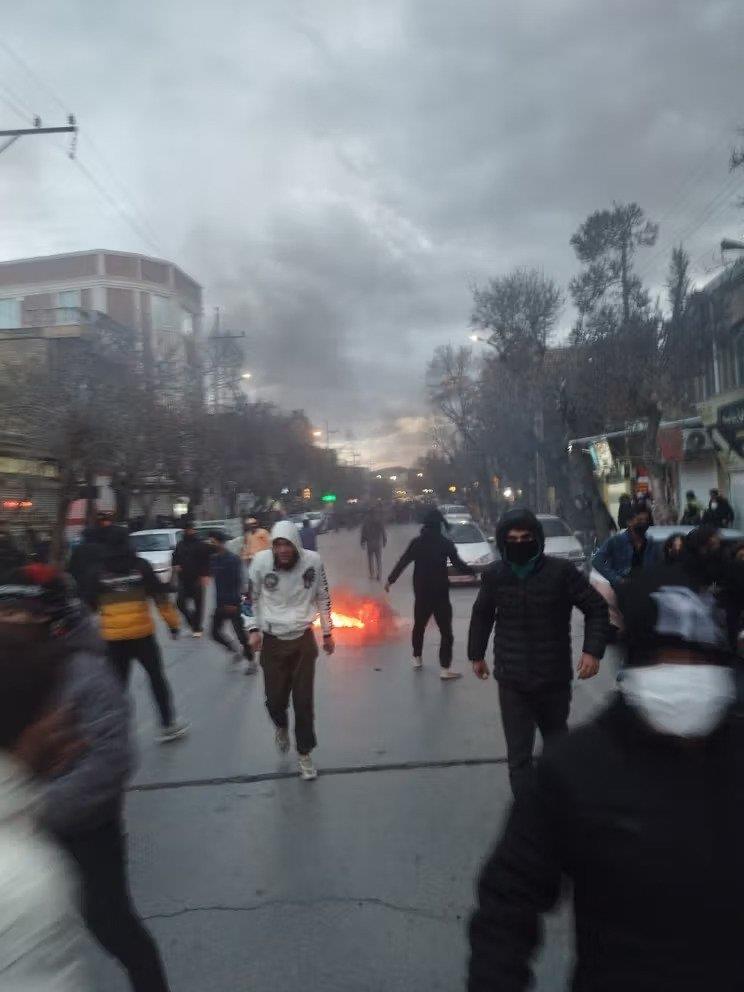
(MENAFN- Khaama Press) Iran is facing four possible scenarios as nationwide unrest widens, according to analysis by experts monitoring the country's political and social situation.
Protests in Iran have entered their second week, spreading to more than 70 cities as security forces intensify crackdowns amid rising domestic anger and growing international attention.
Human rights organizations say at least seven people have been killed so far, while authorities have expanded arrests and targeted detentions to prevent nationwide coordination of demonstrations.
According to the US-based outlet Al-Monitor, Tehran's response mirrors a familiar pattern seen in previous unrest: initial attempts to contain protests through dispersal and selective arrests, followed by escalating force if demonstrations persist.
The outlet identifies four possible scenarios for how the protests could unfold. The first is limited structural reform, promoted by some reformist figures who argue that controlled political and economic concessions could ease tensions.
However, Al-Monitor notes that Iran's leadership has historically resisted meaningful reforms that threaten ideological red lines or power centers, making this scenario unlikely.
The second scenario envisions prolonged, grinding unrest, in which protests flare up in repeated waves and are contained locally, while the government absorbs economic and reputational costs in the hope that protesters eventually lose momentum.
A third scenario involves regime change driven or accelerated by foreign intervention, particularly after warnings by US President Donald Trump. Iranian officials view this as the most dangerous path, fearing it could lead to war or regional instability.
The fourth scenario foresees fragmentation, sudden collapse, or a long and unstable transition, complicated by opposition disunity, the absence of a unified leadership, and the continued strength of Iran's security forces.
Iran has experienced repeated waves of protest over the past decade, fueled by economic hardship, sanctions, political repression, and social restrictions, with each uprising met by heavy security responses.
Rising inflation, energy shortages, water crises, and declining living standards have further eroded public confidence, increasing the likelihood of recurring unrest even if the current protests subside.
Analysts say none of the four scenarios offers a clear or low-risk exit for Iran's leadership, with each carrying serious domestic and regional consequences.
The trajectory of the protests will likely depend on near-term decisions in Tehran, as the ruling system appears caught between mounting pressure, limited options, and deepening paralysis.
ShareFacebook Twitter WhatsApp Email Print Telegram
Legal Disclaimer:
MENAFN provides the
information “as is” without warranty of any kind. We do not accept
any responsibility or liability for the accuracy, content, images,
videos, licenses, completeness, legality, or reliability of the information
contained in this article. If you have any complaints or copyright
issues related to this article, kindly contact the provider above.
Most popular stories
Market Research

More Story




Comments
No comment