




403
Sorry!!
Error! We're sorry, but the page you were looking for doesn't exist.
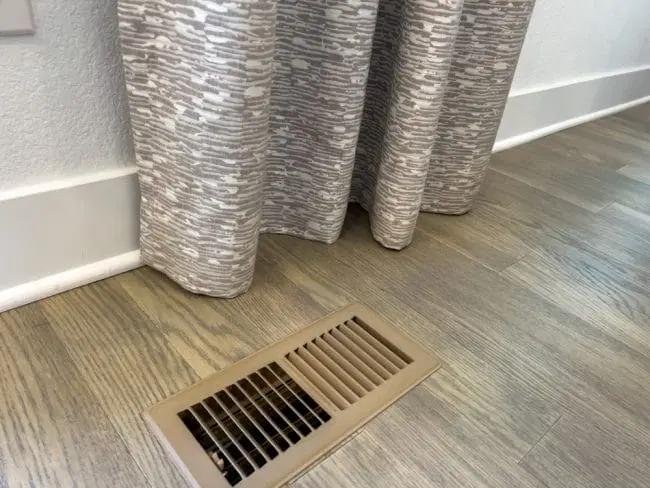
HVAC Pros Warn: Stop Closing Vents In Unused Rooms (Here's Why)
(MENAFN- Budget and the Bees)
It seems like common sense. If you aren't using the guest room, why pay to heat or cool it? You reach up, slide the little lever on the vent, and feel satisfied that you are saving money on your energy bill. It is the same logic as turning off a light switch.
However, HVAC professionals warn that your heating and cooling system does not work like a light bulb. Closing vents is actually one of the worst things you can do for your system's health and your wallet. It creates pressure imbalances that can lead to expensive repairs and, ironically, higher energy bills. Here is why you need to open those vents immediately.
1. It Increases Duct PressureYour HVAC system acts like a set of lungs. It is designed to inhale and exhale a specific amount of air. When you close vents, you are essentially choking the system. The blower fan continues to push the same volume of air, but now it has fewer places to go.
This builds up static pressure in the ductwork. Think of it like putting your thumb over a running garden hose. The pressure spikes. This excess pressure can cause your ducts to leak or even burst, sending your conditioned air into the attic or walls instead of your living room.
2. It Can Burn Out Your Blower MotorThe blower motor is the heart of your HVAC system. When pressure builds u because vents are closed, the motor has to work much harder to push air against that resistance. It is like trying to run with a mask on.
This constant strain causes the motor to overheat and wear out prematurely. Replacing a blower motor can cost hundreds of dollars-far more than the few pennies you might save by closing a vent. You are trading a tiny short-term saving for a massive long-term repair bill.
3. It Freezes the Coil (in Summer)In the summer, your air conditioner needs proper airflow to keep the evaporator coil from freezing. If you restrict airflow by closing vents, the coil gets too cold because there isn't enough warm air passing over it to facilitate the heat exchange.
A frozen coil creates a block of ice that stops your AC from working entirely. When it melts, it can cause water damage to your system or your home. If you see ice on your outdoor unit, restricted airflow is often the culprit.
4. It Cracks the Heat Exchanger (in Winter)In the winter, low airflow is even more dangerous. If the furnace cannot move enough air over the heat exchanger, the component can overheat and crack. A cracked heat exchanger is a serious safety hazard because it can leak carbon monoxide into your home.
If a technician finds a crack, they are legally required to shut down your furnace immediately. This means you will be buying a whole new furnace in the middle of winter, all because you closed too many vents.
5. It Causes Mold GrowthWhen you close off a room, you stop the air circulation. That room becomes stagnant. In humid months, condensation can form on windows and walls because the AC isn't removing the moisture from that specific space.
Furthermore, the temperature difference between the closed room and the rest of the house can cause condensation within the ductwork itself. Damp, dark ducts are the perfect breeding ground for mold, which will then be blown throughout your entire house when you eventually open the vent.
6. It Doesn't Actually Save MoneyModern homes are not designed to be zoned by manually closing vents. Your thermostat keeps running until the area *it* is in reaches the set temperature. Closing a vent in a bedroom doesn't tell the thermostat in the hallway to stop working.
In fact, because the system is working harder and less efficiently due to the pressure imbalance, it often runs longer to achieve the same result. You use more electricity to fight the resistance you created. The math simply doesn't work in your favor.
7. Uneven Temperatures Everywhere ElseYou might notice that closing vents in one room makes other rooms uncomfortably hot or cold. The disrupted airflow creates hot spots and drafts throughout the house. You end up constantly adjusting the thermostat to get comfortable, which wastes even more energy.
The system was balanced when it was installed. By artificially blocking exits, you throw the whole ecosystem out of whack.
Let It FlowIf you really want to control temperatures in different rooms, invest in a legitimate zoning system with electronic dampers and separate thermostats. Otherwise, keep those vents open and let your system breathe. It will last longer, run quieter, and keep your air cleaner.
Did you grow up believing the“close the vents” myth? Let us know in the comments if you are going to open them up today!

Legal Disclaimer:
MENAFN provides the
information “as is” without warranty of any kind. We do not accept
any responsibility or liability for the accuracy, content, images,
videos, licenses, completeness, legality, or reliability of the information
contained in this article. If you have any complaints or copyright
issues related to this article, kindly contact the provider above.
Most popular stories
Market Research

More Story







Comments
No comment