





403
Sorry!!
Error! We're sorry, but the page you were looking for doesn't exist.
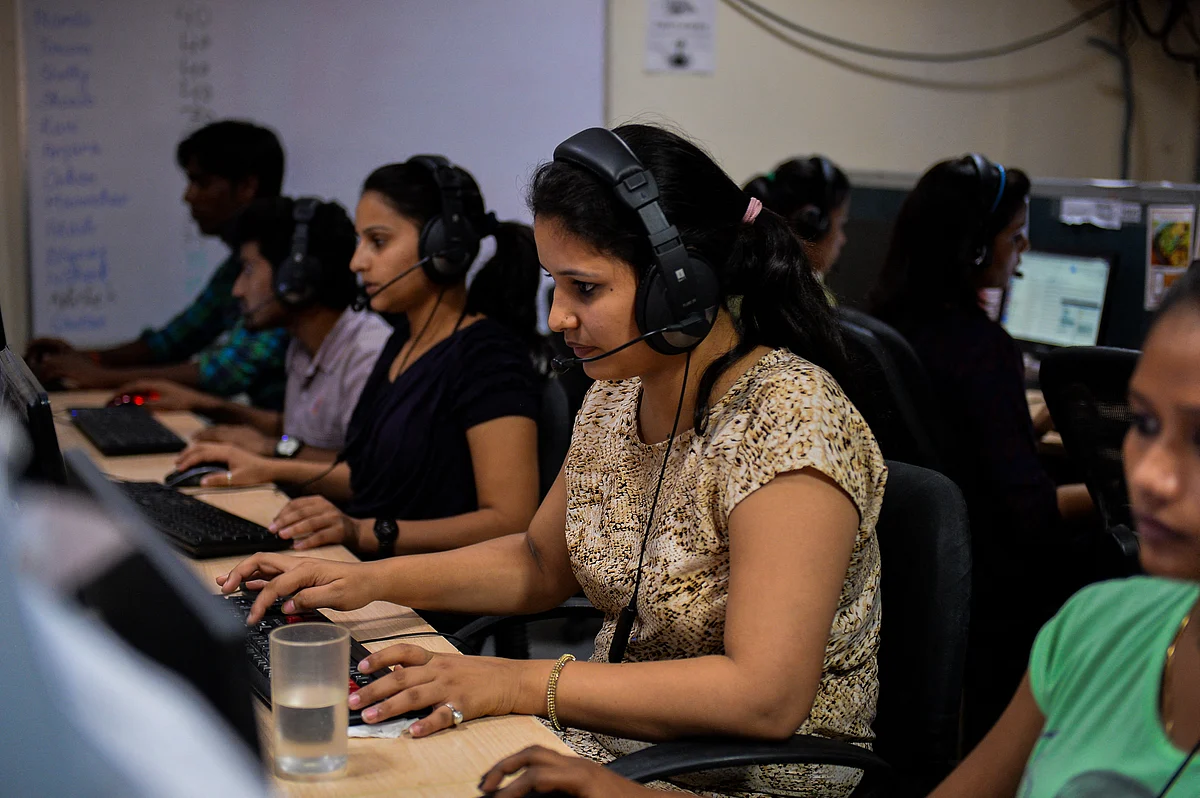
Data Centre Surge Reaches India As US Tech Giants Invest Billions
(MENAFN- Khaleej Times)
Satya Nadella, Microsoft's CEO, was striding across a stage in New Delhi, extolling his company's $17.5 billion investment in artificial intelligence and the benefits it would bring to his native country's 1.4 billion people. While he was speaking, Amazon made a rival announcement, promising to throw $35 billion into AI-driven projects across India.
A flood of money for data centres, cloud computing and other hardware has come to India. Two months before the near-simultaneous Microsoft-Amazon announcements, Google committed $15 billion to data centres in partnerships with two of India's biggest conglomerates, the Adani Group and Bharti Airtel.
Recommended For YouThat $67.5 billion, to be spent over the next five years, is just the crest of a wave. A fourth American tech giant, Meta, is having a plant built near Google's, as are India's other biggest industrial houses, Reliance and Tata.
“This is going to be one of the largest single-sector investments that India's ever seen,” said Somnath Mukherjee, chief investment officer at ASK Wealth Advisors in Mumbai, India.
These investments are vast in proportion to everything except for other AI-related investments. Trillions of dollars are at stake in this boom worldwide. In India, companies see a market with lots of room to run.
India hosts nearly 20 per cent of the world's data but only 3 per cent of its storage. The United States has vastly more data centres than India, but India's population, already the largest on the planet, is still growing, and its economy is expanding even faster.“India is the largest consumer of data in the world, but with barely 5 per cent of American data capacity,” Mukherjee said.
The enormous bets on India by Microsoft, Amazon, Google and Meta underscore the seemingly limitless reaches of the AI boom. President Donald Trump stunned India with 50 per cent tariffs this summer, casting a pall over the friendly and long-standing economic relationship between the countries. Negotiators from Washington and New Delhi are still trying to find some accommodation on trade. Yet AI money ploughs ahead.
India's economic strengths and weaknesses look like a mismatch for the AI investments. The data centres will require cheap land, abundant electricity and water. India's whole territory is packed with farmland, and much of it suffers from unreliable power grids and scarce water supply. It does need jobs for a huge and semi-idle labor force, but data centres require minimal staffing.
But India doesn't want to miss out on the AI gold rush. It also doesn't want to rely on data servers overseas.
Since 2018, India has been weighing laws that would require digital functions to be based on servers in India. For national security's sake, the government already insists that banks and WhatsApp, which Meta owns, keep their data local. Mukherjee said the possibility of officials' widening those demands was motivating foreign companies to install servers within India.
Another reason to keep the data centres closer to the people who will be using them is that data slows the farther it has to travel. Delays of even milliseconds between faraway servers can pile up during complex processing, causing whole systems to lag. Until a few years ago, most of India's data was stored on servers in Singapore, 1,800 miles away across the Bay of Bengal.
The data centres for Google, Microsoft, Amazon and Meta will join a growing number of smaller centres spread between India's biggest urban areas. Most are along the coasts, where they can be connected to undersea cables.
Luring giant plants to Hyderabad, an inland city of 11 million, required a feat of salesmanship on the part of the local government. That job fell to Jayesh Ranjan, a special secretary in charge of tech and investment for the state who devised India's first data centre policy in 2016.
Hyderabad's first data centres, which were built before AI started demanding more capacity, are already saturated. Now there are four.
Industrial-grade electricity is hard to come by in most of India. But Hyderabad's data parks are connected to multiple energy sources and flooded with abundant power at wholesale prices. India's electricity grid is balky, but in the aggregate it now generates more power than it needs and most of it is renewable. American electricity costs an average of 18 cents a kilowatt-hour, but Hyderabad's data centres pay only 7 cents.
Ranjan said the country's first data centre to run on a gigawatt's worth of power would be in Hyderabad. TPG, an American asset manager, is working with India's Tata Group to build it and other AI-focused facilities around the country.
Another challenge for building data centres in India is access to water. In 2019, water from two rivers was redirected by a gigantic dam to irrigate most of the state around Hyderabad. And there is still plenty left for the thirsty new data centres, which consume tons of water to cool their servers.
This article originally appeared in The New York Times.

Legal Disclaimer:
MENAFN provides the
information “as is” without warranty of any kind. We do not accept
any responsibility or liability for the accuracy, content, images,
videos, licenses, completeness, legality, or reliability of the information
contained in this article. If you have any complaints or copyright
issues related to this article, kindly contact the provider above.
Most popular stories
Market Research

More Story





Comments
No comment