




403
Sorry!!
Error! We're sorry, but the page you were looking for doesn't exist.
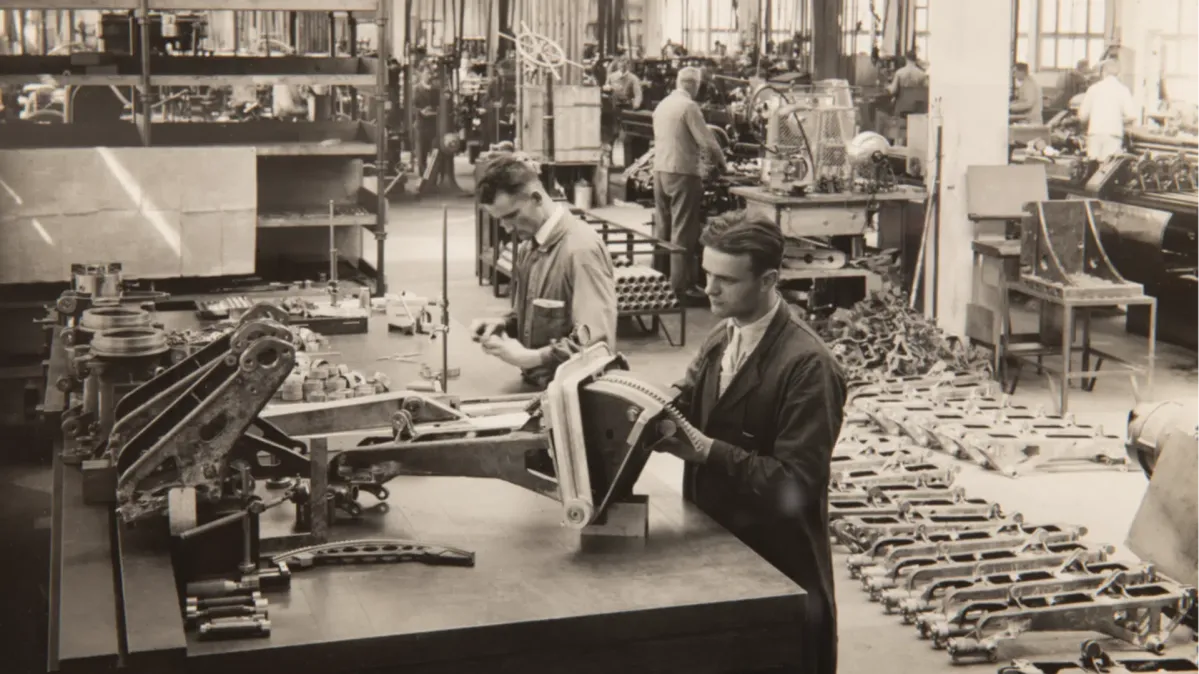
A Swiss Factory Was Part Of The Covert Nazi Armament Programme
(MENAFN- Swissinfo)
The former Solothurn arms factory had links to the Nazis. A local museum showcases the dark chapter in the region's history.
This content was published on
December 17, 2025 - 11:00
3 minutes
SRF
The exhibition in the Museum Altes Zeughaus in the town of Solothurn includes various weapons that were produced in the factory. In the picture: an S2-200 light machine gun, which was produced around 1929. SRF/Alex Moser Arms production in Switzerland
The former Solothurn armoury in Zuchwil still stands today. Other companies have since moved into the premises. SRF/Wilma Hahn Nazi links
Werner Schaad (front centre) was an avowed National Socialist and caused a great deal of resistance in the region. After his release, he fled to Germany and led a defence force made up of Nazi Swiss. Schaad was later sentenced to eight years in prison and ten years loss of honour in Switzerland. ZVG / Museum Altes Zeughaus Resistance from the region
Even after his dismissal, Schaad continued to spread his Nazi ideologies on the company premises. The population fought back and around 600 people took part in a protest rally. SRF / Alex Moser The demise of the arms factory
-
Deutsch
de
Schweizer Waffenfabrik war Teil der verdeckten Nazi-Aufrüstung
Original
Read more: Schweizer Waffenfabrik war Teil der verdeckten Nazi-Aufrü
Français
fr
Chapitre sombre: l'usine faisait partie du réarmement clandestin nazi
Read more: Chapitre sombre: l'usine faisait partie du réarmement clandestin
Italiano
it
Un capitolo oscuro: la fabbrica nel riarmo clandestino nazista
Read more: Un capitolo oscuro: la fabbrica nel riarmo clandestino na
The Altes Zeughaus museum in Solothurn is presenting the history of the former arms factory, which became embroiled in Germany's covert rearmament efforts after the First World War. The cartridge factory passed into German ownership and produced weapons, making it part of the clandestine German armaments programme. This controversial chapter in Solothurn's past sparked opposition at the time and has now been partially re-examined by museum researchers.
The exhibition in the Museum Altes Zeughaus in the town of Solothurn includes various weapons that were produced in the factory. In the picture: an S2-200 light machine gun, which was produced around 1929. SRF/Alex Moser Arms production in Switzerland
The First World War ended in 1918 with Germany and Austria defeated. The victorious Allied powers imposed strict limits on their military and arms industries. Germany responded by shifting part of its weapons production to neutral states, building what historians call a shadow armoury. Switzerland became one of these locations, including in canton Solothurn.
In 1929, the cartridge factory in Zuchwil was sold to the German arms manufacturer Rheinmetall AG.“The Germans had links with canton Solothurn since the 1920s,” explains Franziska Weber, deputy director of the Altes Zeughaus museum. One of the factory's founders was Hermann Obrecht from Grenchen. A prominent figure, he served at various times as president of the Solothurn Cantonal Bank and sat on numerous company boards. When he was elected to the Federal Council for the centre-right Radical-Liberal Party in 1935, he gave up his seat on the factory's board – a reflection of the growing controversy surrounding the factory.
The former Solothurn armoury in Zuchwil still stands today. Other companies have since moved into the premises. SRF/Wilma Hahn Nazi links
Although the factory was under German ownership, it did not supply large quantities of weapons to Germany. However, after 1938 – as the Nazi regime prepared for war – the factory became subject to German political control and later appeared on the Allies' blacklist. Nazi ideology also penetrated the factory. From 1932, the plant was managed by Swiss national Werner Schaad, described as an admirer of Adolf Hitler. He openly promoted Nazi ideas within the factory and the surrounding community.
Werner Schaad (front centre) was an avowed National Socialist and caused a great deal of resistance in the region. After his release, he fled to Germany and led a defence force made up of Nazi Swiss. Schaad was later sentenced to eight years in prison and ten years loss of honour in Switzerland. ZVG / Museum Altes Zeughaus Resistance from the region
Schaad's activities drew increasing scrutiny. The Office of the Attorney General opened an investigation, and in 1939 the municipality of Zuchwil pressured the cantonal government to intervene. Schaad was ultimately dismissed. At the same time, mechanic Pius Jeger attracted public attention for opposing Nazi ideology. In a symbolic act of resistance, he destroyed a portrait of Hitler that Schaad had hung in his office. Jeger is remembered locally as the“Hero of Zuchwil”, and a square on the former factory premises now bears his name.
Even after his dismissal, Schaad continued to spread his Nazi ideologies on the company premises. The population fought back and around 600 people took part in a protest rally. SRF / Alex Moser The demise of the arms factory
The factory primarily supplied weapons to Italy, Austria and Hungary – future Axis powers. After the Nazis took control in 1933, Germany's own arms industry expanded rapidly, reducing demand for production abroad. The Solothurn plant soon fell into financial difficulties. Despite occasional orders and financial support from Rheinmetall AG, the factory never fully recovered. With Germany's defeat in the Second World War, the plant was blacklisted and ultimately forced to close. It was removed from the commercial register in 1961, marking the end of a dark chapter in canton Solothurn's history.
External ContentAdapted from German with AI/amva/sb
In compliance with the JTI standards
More: SWI swissinfo certified by the Journalism Trust Initiati
You can find an overview of ongoing debates with our journalists here. Please join us!
If you want to start a conversation about a topic raised in this article or want to report factual errors, email us at ....

Legal Disclaimer:
MENAFN provides the
information “as is” without warranty of any kind. We do not accept
any responsibility or liability for the accuracy, content, images,
videos, licenses, completeness, legality, or reliability of the information
contained in this article. If you have any complaints or copyright
issues related to this article, kindly contact the provider above.
Most popular stories
Market Research

More Story







Comments
No comment