




403
Sorry!!
Error! We're sorry, but the page you were looking for doesn't exist.
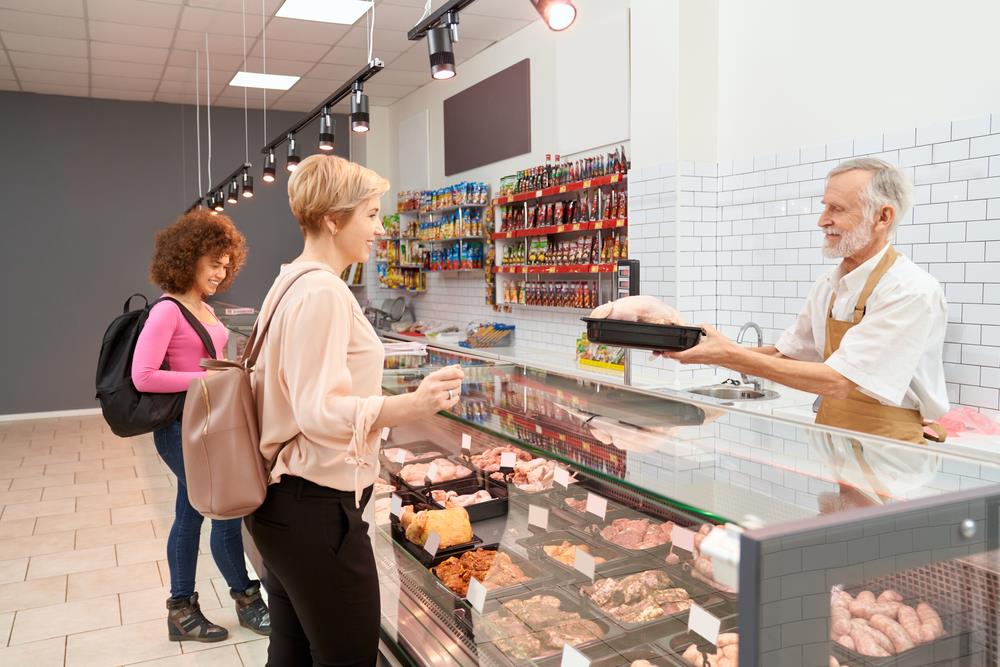
Meat Department Associates Cite Equipment Breakdowns Slowing Production
(MENAFN- Grocery Coupon Guide)
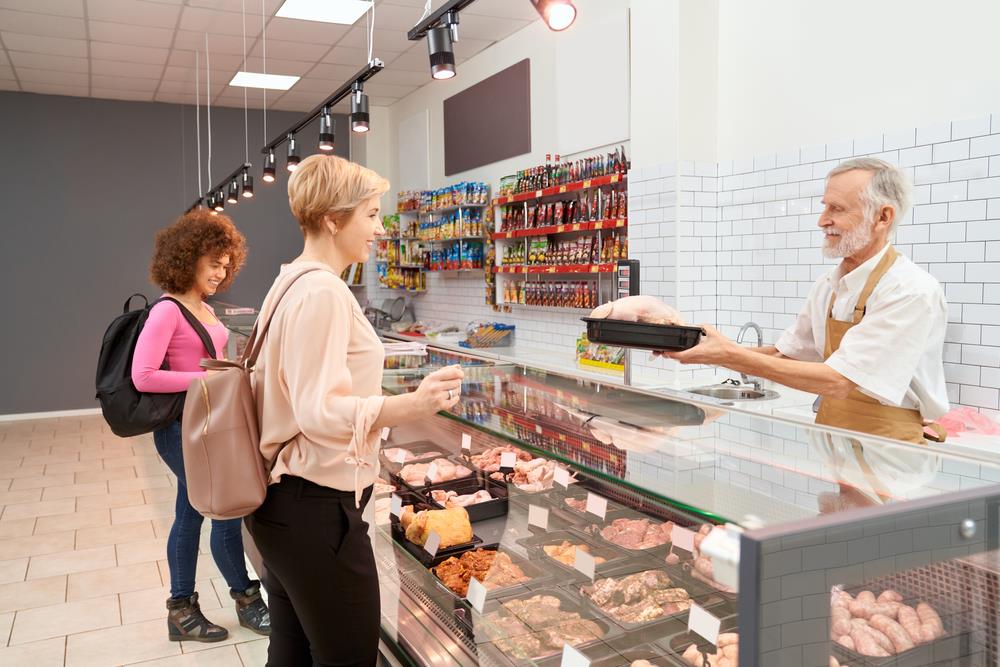
Image source: shutterstock
When you walk up to the meat case and see half-empty shelves, it's easy to assume there's a hidden sale or a rush of shoppers you somehow missed. Lately, though, more stores are quietly admitting there's another factor at play: machinery in the back room that just isn't keeping up. Grinders, slicers, and wrapping machines do the heavy lifting that keeps those cases full, and when they fail, everything slows down. For couponers and careful planners, that can mean missing out on advertised deals, favorite cuts, or freezer stock-up plans. The good news is that once you understand what's happening, you can adjust your strategy and still protect your grocery budget.
1. How Equipment Breakdowns Affect Your Meat CaseMeat cutters rely on grinders, saws, slicers, and wrapping machines to prepare the steady flow of product you see in the case. When one of those machines goes down, equipment breakdowns can slow trimming, grinding, and packaging to a crawl. Associates may be stuck doing more work by hand, which is slower and sometimes limited by safety rules. Multiple equipment breakdowns in a short time can leave certain cuts unavailable or packed in smaller quantities than usual. From your side of the counter, it just looks like bare shelves, but behind it there's a line of tasks waiting for the tools to get fixed.
2. Spotting Signs of Slowdowns in the Meat DepartmentYou don't have to know everything about store operations to spot when something is off. Consistently low stock at certain times of day, especially on basic cuts like ground beef or chicken thighs, can signal a production slowdown. If you see handwritten signs, reduced variety, or a lot of“sold out” tags where sale items should be, that's another clue. If you start seeing recurring gaps in certain cuts, it can be a clue that equipment breakdowns are still causing bottlenecks in production. Paying attention to these patterns helps you decide when to shop and what to expect before you even grab a cart.
3. Talking With Associates About What's Really Going OnMost meat department associates want to help, even when the situation is out of their hands. A friendly question like,“Are you expecting more of the sale chicken later today?” can open the door to honest information. They might tell you about a machine being serviced, a delayed delivery, or a time of day when stock is usually better. Instead of getting frustrated, assume equipment breakdowns are part of the picture and pivot to what is available. Sometimes they can even suggest alternative cuts, write a rain check, or point you to prepackaged options that still qualify for your coupons.
4. Adjusting Your Meal Plan When Stock Is LimitedWhen the exact cut you planned on isn't there, flexibility becomes your best money-saving tool. Think in terms of meal type instead of specific items: tacos just need a ground meat, stir-fry needs small pieces, and roasts can usually swap between similar cuts. If the advertised item is missing due to store issues, ask customer service whether they'll honor the sale price on a comparable product. This is especially helpful for couponers who planned around a particular promotion and don't want that work to go to waste. Instead of leaving empty-handed, you adjust your plan slightly and still get dinner on the table without wrecking your budget.
5. Using Coupons, Apps, and Freezer Space TogetherWhen production slows, the best deals might only be available in smaller windows of time. If you can, shop earlier in the day or closer to the department's main production times so you catch items as they hit the case. Combine paper coupons, digital offers, and rewards apps so that when you do find what you need, you're getting the absolute best price. When you fill your freezer during a good sale, you're building a buffer that protects you from both random price spikes and surprise equipment breakdowns at your store. That cushion lets you skip meat altogether during lean weeks and focus your spending on other essentials.
6. Shopping Smart When the Meat Counter Looks BareEmpty or sparse cases don't have to derail your savings game. Instead of assuming the whole trip is a bust, treat the meat department as one part of a bigger strategy. You can shift your focus to pantry staples, frozen vegetables, or shelf-stable proteins like beans and lentils when fresh options are thin. On weeks when the meat section is clearly struggling, use your coupons to build up side dishes and breakfast items instead. Over time, this kind of flexible thinking keeps your cart full, your meal plan realistic, and your stress level lower, even when the machines in the back room aren't cooperating.
Have you run into low stock or strange gaps in your store's meat department, and how did you adjust your shopping plan when it happened? Share your experience in the comments.

Legal Disclaimer:
MENAFN provides the
information “as is” without warranty of any kind. We do not accept
any responsibility or liability for the accuracy, content, images,
videos, licenses, completeness, legality, or reliability of the information
contained in this article. If you have any complaints or copyright
issues related to this article, kindly contact the provider above.
Most popular stories
Market Research

More Story







Comments
No comment