




403
Sorry!!
Error! We're sorry, but the page you were looking for doesn't exist.

A Velvet Reset: Trump's New Strategy Hands China Breathing Space
(MENAFN- Asia Times)
For years, Washington framed China as the defining adversary of the American century. The National Security Strategy released on December 4 has quietly abandoned that posture. At just 33 pages, the document mentions China sparingly and never as an existential threat. Instead, it treats Beijing as a major power with which the United States must reach“reciprocity and fairness” in trade.

Seized oil tanker Skipper only the tip of the clandestine iceberg
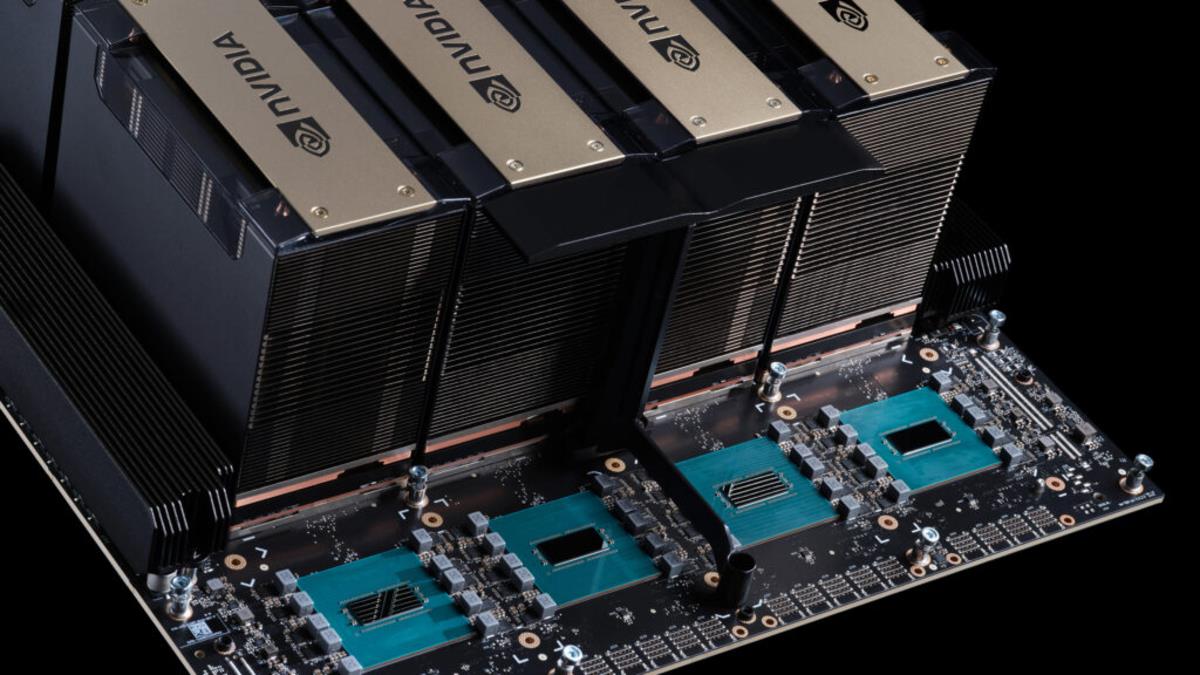
China aims for twin-track use of Nvidia H200 amid back door fears
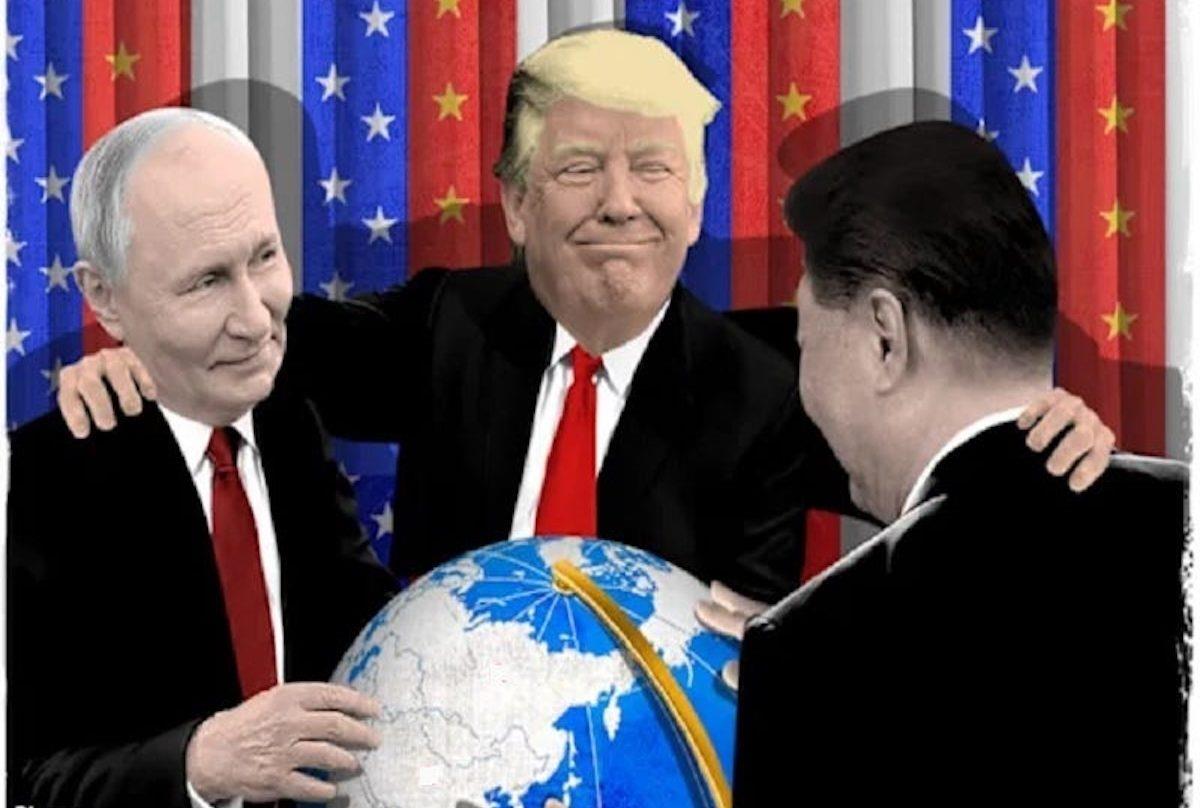
Russia-US détente can revolutionize global economic architecture

Sign up for one of our free newsletters
The shift is deliberate and, from a Chinese perspective, long overdue. After a decade of being cast as the villain in successive Pentagon papers and Biden-era strategies that labelled China a“pacing challenge” and“systemic rival,” Beijing now finds itself described in language that prioritizes economic rebalancing over ideological confrontation.
This is not weakness on Washington's part; it is realism born of exhaustion with endless confrontation and recognition that tariffs and technology bans have hurt American farmers, manufacturers and consumers as much as Chinese exporters. Beijing would be wise to pocket the concession and widen the opening before domestic politics in either capital reverses course.
The evidence of change lies in the deals that preceded the text. In Busan last month, Donald Trump and Xi Jinping suspended the most damaging tariffs and export controls. China lifted its restrictions on rare earths, committed to massive soybean purchases through 2028 and opened new cooperation in non-sensitive sectors. Washington, in return, cut fentanyl-related tariffs and extended exclusions on hundreds of Chinese product lines into 2026.
Latest storiesSeized oil tanker Skipper only the tip of the clandestine iceberg
China aims for twin-track use of Nvidia H200 amid back door fears
Russia-US détente can revolutionize global economic architecture
Treasury Secretary Scott Bessent, the architect of the softer tone, delayed the strategy's release until these agreements were secure. The result is a document that elevates“mutually advantageous” trade above military rivalry. Chinese diplomats have privately described the outcome as the most favorable American strategic statement in fifteen years.
Taiwan, the issue that most worries Beijing, is handled with unusual restraint. The strategy lists“deterring a conflict over Taiwan” as a priority but immediately qualifies the goal:“ideally by preserving military overmatch.” The word“ideally” matters. It signals that Washington prefers to avoid war and is willing to rely on economic strength and allied burden-sharing rather than direct provocation.
The simultaneous signing of the Taiwan Assurance Implementation Act looks tougher on paper, yet it contains no new weapons sales and merely calls for a review of existing engagements. President Lai Ching-te's pledge to raise defense spending to 5% of GDP by 2030 is welcome to hawks in Washington, but it also gives Beijing a predictable timetable and removes the specter of sudden American escalation.
For Asia's middle powers, the new approach offers breathing space. Singapore and Hong Kong, long anxious about being forced to choose sides, now face less immediate pressure. The strategy speaks of“greater access to ports and facilities” from allies, yet it ties such access to economic reciprocity rather than ideological alignment.
Singapore's role as a neutral entrepôt is implicitly preserved; Hong Kong's position as a financial bridge, battered by earlier sanctions, may stabilize if tariff stability holds. Chinese investment through the Belt and Road can continue to flow into Southeast Asia without the constant threat of American countermeasures. ASEAN economies, already the largest collective trading partner of China, stand to gain most from a prolonged period of lowered tensions. The region gains time to deepen integration on its own terms.
Beijing, of course, will remain vigilant. The United States still plans to strengthen forces along the First Island Chain and will press Japan, South Korea and Australia to spend more. War games continue to highlight American vulnerabilities in a Taiwan contingency, which is precisely why Trump has chosen economic engagement over military bravado.
A richer America, fueled by resumed trade with China, can modernize its forces without bankrupting itself; a provoked China, by contrast, might accelerate the very conflict both sides claim to want to avoid.
Sign up for one of our free newsletters
-
The Daily Report
Start your day right with Asia Times' top stories
AT Weekly Report
A weekly roundup of Asia Times' most-read stories
The National Security Strategy is not a love letter, but it is the closest thing to a truce offer that China has received from Washington in a generation. It downgrades great-power competition, elevates trade, and narrows the Taiwan commitment to deterrence rather than regime change.
Chinese leaders have spent years arguing that the United States seeks to contain China's rise. This document undermines that narrative more effectively than any amount of diplomacy could. Beijing is expected to respond by locking in the trade gains, expanding cooperation in clean energy, artificial intelligence standards and digital infrastructure and quietly reinforcing the message that a stable, prosperous China poses no threat to the American interests.
Beijing, of course, will remain vigilant. The United States still plans to strengthen forces along the First Island Chain and will press Japan, South Korea and Australia to spend more. War games continue to highlight American vulnerabilities in a Taiwan contingency, which is precisely why Trump has chosen economic engagement over military bravado.
Sign up here to comment on Asia Times stories Or Sign in to an existing accounThank you for registering!
An account was already registered with this email. Please check your inbox for an authentication link.
-
Click to share on X (Opens in new window)
Click to share on LinkedIn (Opens in new window)
LinkedI
Click to share on Facebook (Opens in new window)
Faceboo
Click to share on WhatsApp (Opens in new window)
WhatsAp
Click to share on Reddit (Opens in new window)
Reddi
Click to email a link to a friend (Opens in new window)
Emai
Click to print (Opens in new window)
Prin

Legal Disclaimer:
MENAFN provides the
information “as is” without warranty of any kind. We do not accept
any responsibility or liability for the accuracy, content, images,
videos, licenses, completeness, legality, or reliability of the information
contained in this article. If you have any complaints or copyright
issues related to this article, kindly contact the provider above.
Most popular stories
Market Research

More Story







Comments
No comment