




403
Sorry!!
Error! We're sorry, but the page you were looking for doesn't exist.
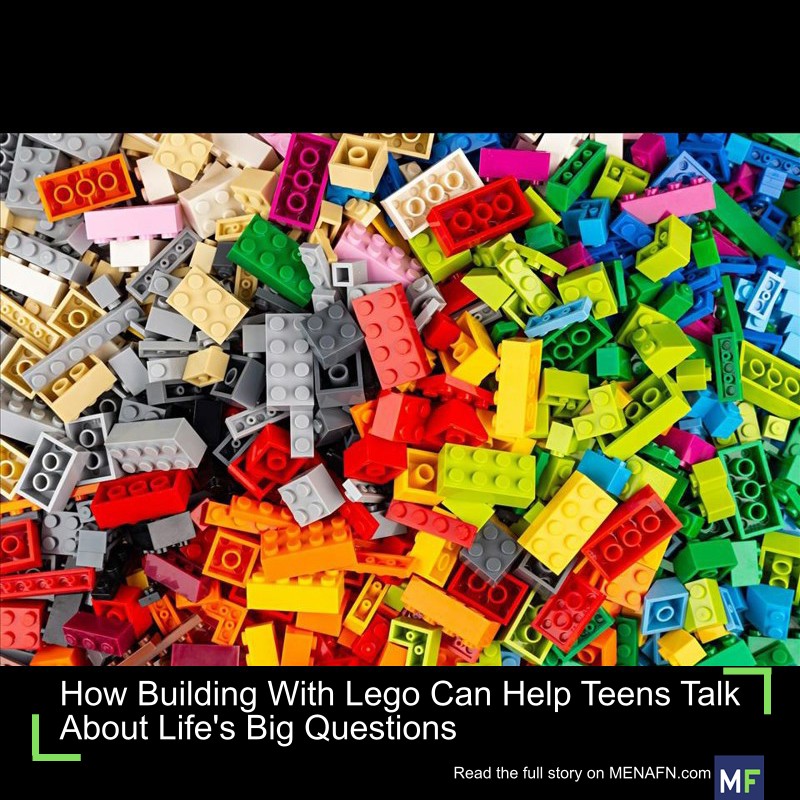
How Building With Lego Can Help Teens Talk About Life's Big Questions
Author: Martha Shaw
(MENAFN- The Conversation) If you're thinking about buying Christmas presents for children, chances are a Lego set isn't too far from your mind. The endless creativity that Lego bricks present means they can be used for far more than following instructions to build the model on the front of the box. They are even used in academic research.
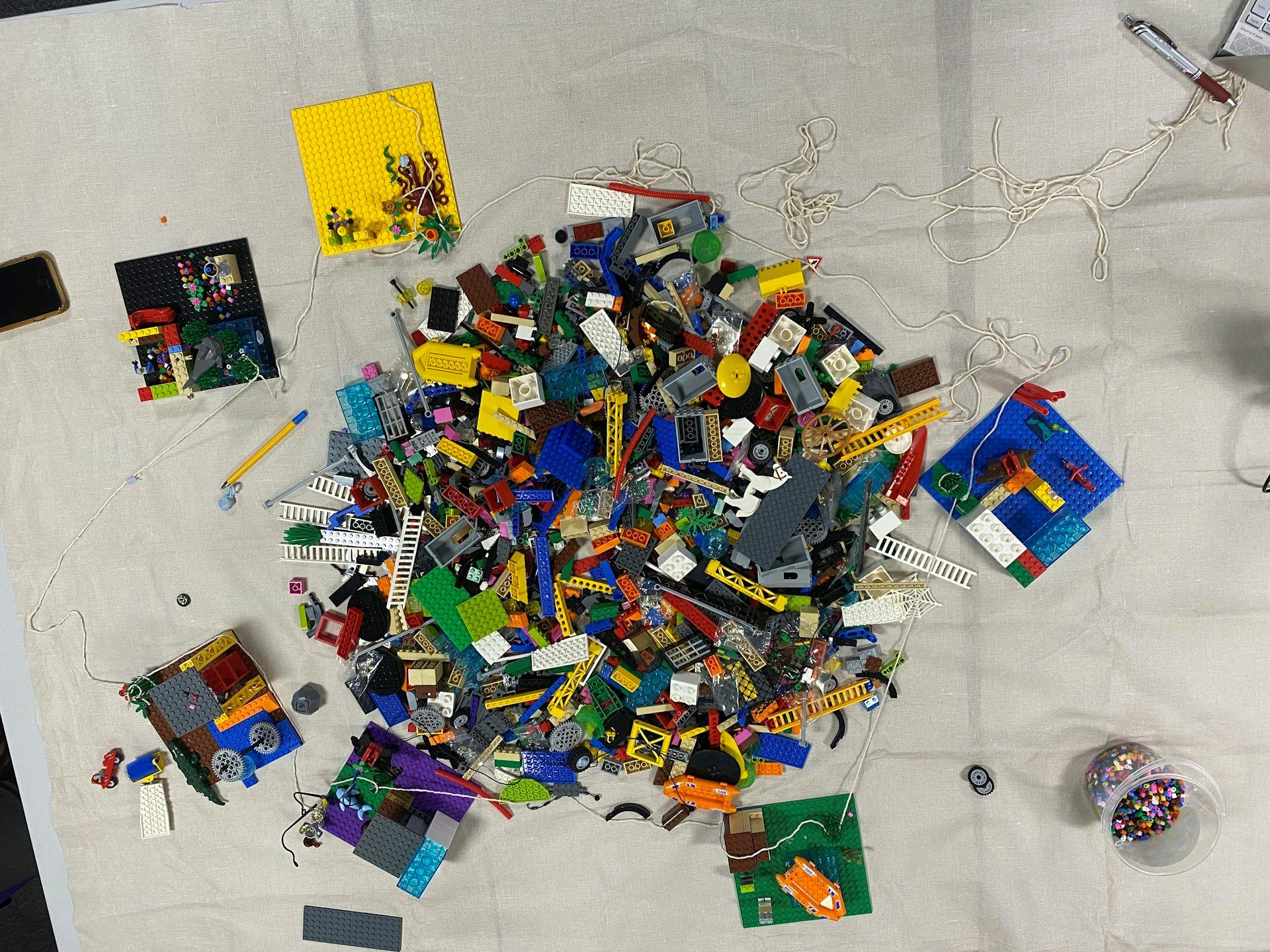
Models built by the students. Martha Shaw/Alexis Stones, Author provided (no reuse)![Lego constructions linked with string]()
Connected models. Martha Shaw/Alexis Stones, Author provided (no reuse)

Our research uses Lego to get young people talking to each other about identity, belonging and participation in society. We help young people engage with one another to think critically about their place in the world and their relationships with others.
We draw on the concept of “worldview” – beliefs and values that shape how we perceive things – and explore how our worldview (whether religious, non-religious or somewhere in between) influences how we see and interact with others and society.
In a recent study, we gave piles of Lego bricks to ten groups of young people in four secondary schools across England and asked them to build models to show their responses to questions. Besides the fact that it's fun, building with Lego is a powerful way for people to express themselves.
Making and thinking“Building” gives people time to reflect and can lead to more thoughtful, imaginative, and often emotional responses. The power of metaphor is particularly helpful in exploring personal or sensitive issues. It provides a sense of distance; we feel less exposed and able to discuss things that can be difficult to express.
This is a technique used in the Lego Serious Play approach: a tool developed for the workplace by the Lego Group with the idea that by“thinking through fingers” we use both sides of the brain with potential to unleash insight and imagination. We apply this to explore ideas of commonality and difference.
Students in our study explored ideas of identity by building a model to show“three things that make you, you”. Some students focused on things they like, such as hobbies, or important things for them. Many also highlighted people that mattered to them, their heritage, nation, faith, communities and nature. We asked students to explain their models and, in doing so, they explored the complex and diverse aspects of their own and others' identities.
Models built by the students. Martha Shaw/Alexis Stones, Author provided (no reuse)
When building a model of“where you feel you belong”, the students considered their connections to people and places. What emerged were multiple allegiances and loyalties in which gender, ethnicity, nationality, religion, interests, aspirations and politics all intersected in complex and unpredictable ways. We asked students what connections there were between their Lego constructions, and to show this by attaching string between their own and others' models.
Making connectionsWe then asked students to show and explain the things they do in these places as a way to explore their participation in social and civic life. At this point, we asked students about their religion or worldview and to sprinkle beads onto their models where this was relevant for them. This helped students think about their personal worldview and understand how this relates to identity and belonging, to their actions, and to society.
Connected models. Martha Shaw/Alexis Stones, Author provided (no reuse)
Finally, we asked the students to build together“what it means to be a citizen”. Here they combined their ideas, working together in a new and interactive way that pays attention to difference and connection.“It shows how we are all connected together in society and how in order for society to function we must work together,” one of the students said.
Our research shows that young peoples' worldviews are complex and dynamic: they shape and are shaped by interaction in society. In other words, there is a complex interplay between worldviews, civic identity and action. The young people told us that the research process increased their understanding of themselves and each other. The experience of building and discussion built empathy, a sense of interconnectedness and shared vision for a more cohesive society. As part of our project, we've put together resources on this method for teachers to use.
A recent review of the national curriculum for England aims to equip young people in tackling the challenges of our changing world, and recommends increased provision of religious education and citizenship. As a research method and an educational tool, Lego or other building toys have the potential to help teachers and young people to think outside the box, whether that's the Lego box, identity“boxes” or traditional approaches to learning.
Institution:London South Bank University

Legal Disclaimer:
MENAFN provides the
information “as is” without warranty of any kind. We do not accept
any responsibility or liability for the accuracy, content, images,
videos, licenses, completeness, legality, or reliability of the information
contained in this article. If you have any complaints or copyright
issues related to this article, kindly contact the provider above.
Most popular stories
Market Research

More Story







Comments
No comment