




403
Sorry!!
Error! We're sorry, but the page you were looking for doesn't exist.
The 11 Best Cat Repellents Natural Solutions And The Ultrasonic Device That Actually Works
(MENAFN- AsiaNet News)
Are you looking for natural repellents to discourage a cat from causing damage or being unclean? Do you want to protect your plants, furniture, or even your sofa? We're here to help you! Discover our top 11 best natural repellents to keep your cat away from places where it is not welcome.
What You Need to Know:
If you want to stop cats from scratching furniture, damaging plants, marking territory, or entering restricted areas, you have two main paths:
- Natural repellentsthat are cheap and accessible but require frequent reapplication, Modern ultrasonic solution that works hands-off and provides long-term protection.
Below is the complete guide to both approaches-starting with the most reliable option.
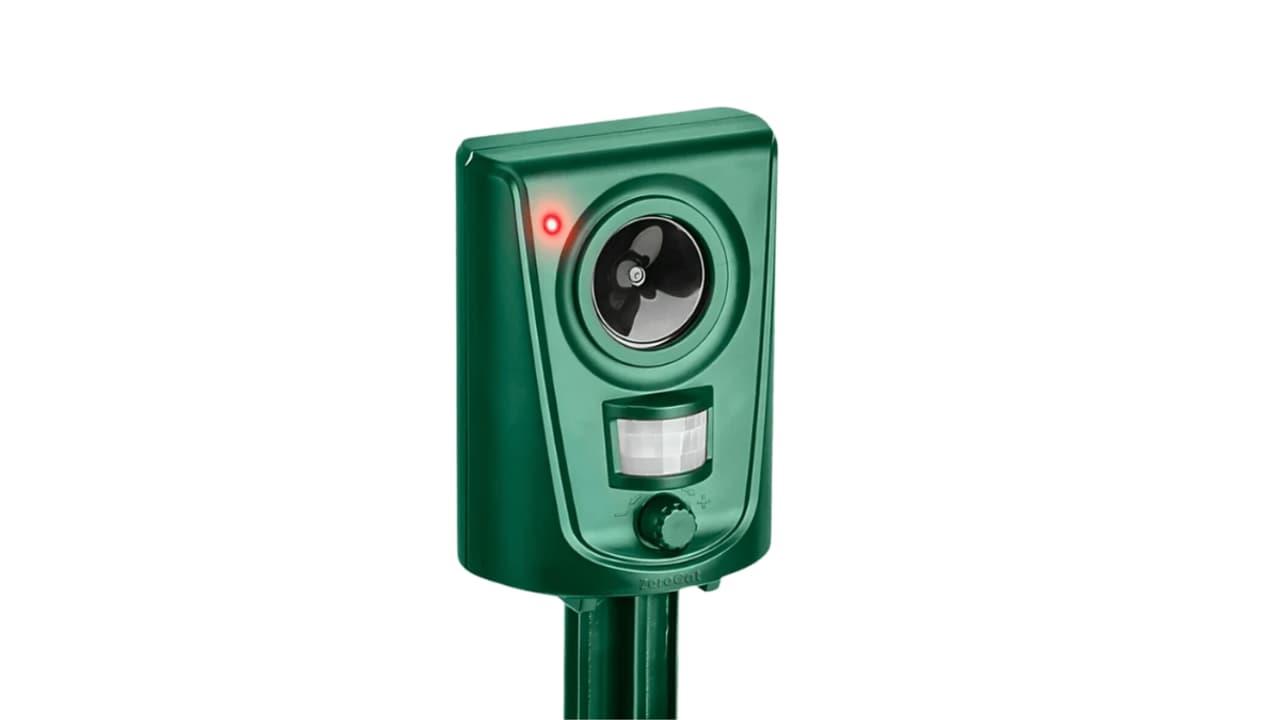
1. ZeroCat (Sonic Barrier) – An Advanced, Humane Cat Repellent
ZeroCat (Sonic Barrier) is a non-toxic, effortless, and highly reliable way to keep cats away from specific areas.
This device uses targeted ultrasonic frequencies that are harmless to cats but deeply uncomfortable for them-training them to avoid the protected zone without causing stress or injury. It is perfect for:
- Protecting indoor furniture or rooms Keeping cats away from gardens and balconies Preventing neighborhood cats from entering your property Avoiding repeated marking or scratching in the same spot
Unlike natural repellents that fade quickly, ZeroCat provides consistent, long-term protection and pairs beautifully with the natural methods listed below for maximum effectiveness. You can learn more about how it works at: White Vinegar
Has your cat urinated in an inappropriate place? Don't panic! Simply clean the area with a mixture of white vinegar slightly diluted with water. Not only is this mixture perfect for removing urine stains, but it also prevents recurrence by making the spot less appealing to your feline friend. If your cat has a habit of regularly urinating in the same place, fill a spray bottle with white vinegar and spray the area daily. White vinegar has an unpleasant odor for cats, but it poses no danger to them.
How to use it:
- Mix with water (50/50). Clean the affected area thoroughly. Spray daily if the cat keeps returning.
Good for:
- Urine spots, corners, carpets, outdoor walkways.
3. Pepper
Pepper is a good natural cat repellent. You can sprinkle pepper in areas frequented by your cat or around your neighbors' homes where their presence is unwelcome. The only drawback of pepper is that its effect is short-lived; you will need to sprinkle ground pepper regularly for optimal effectiveness.
Use:
Sprinkle ground pepper around areas you want cats to avoid.
Limitations:
- Short-duration effect - disappears after wind, cleaning, or rain. Must be reapplied often.
4. Coffee Grounds
Is your cat attacking your plants? Coffee grounds are an excellent natural cat repellent and a great fertilizer for your plants. Simply collect leftover coffee grounds and place them at the base of your plants. Replenish them fairly often to maintain effectiveness, and remove any that begin to mold.
Benefits:
- Great fertilizerfor soil. Strong smell cats dislike.
Use:
Place used coffee grounds at the base of plants.
Replace frequently and remove if mold appears.
5. Onion
Onions, with their strong odor, are an excellent natural cat repellent. Simply cut an onion in half and rub it on the rim of your pots, planters, or windows. People generally use this repellent outdoors.
How to apply:
Rub a cut onion around the rims of pots, planters, or outdoor windowsills.
Best for:
- Outdoor use only.
6. Lemon
The strong scent of lemon is definitely not appreciated by cats. To make this natural repellent, infuse lemon peel in boiling water. Let the water cool, strain it, and fill a spray bottle with the lemon-infused liquid. This repellent can be used on plants as well as textiles such as curtains, carpets, or sofas.
How to prepare:
- Infuse lemon peels in boiling water. Let cool, strain, and place in a spray bottle.
Use on:
- Curtains Sofas Carpets Plants (test a small area first)
7. Aromatic Herbs
Aromatic herbs are a long-lasting natural repellent, though sometimes less effective. You can plant thyme, rosemary, or lavender in your flowerbeds to prevent your cat from wandering into your neighbor's yard.
Advantages:
- Long-lasting if planted. Adds fragrance and style to your garden.
Where to plant:
- Flowerbeds Borders Around areas you want cats to avoid
8. Mustard
Like pepper, mustard is a natural repellent with a short-lived effect. Dilute mustard with water in a spray bottle and spray it on objects, plants, or textiles you wish to protect.
Use:
- Mix mustard with water. Spray on objects or plants to discourage cats.
Note:
Must be reapplied frequently.
9. Lavender
Lavender is an unpleasant scent for cats. You can place lavender sachets in certain areas of your home. You may also dilute a tiny amount of essential oil with water and place it near areas you want to protect. However, keep it out of reach-some essential oils can be toxic to cats. Always research before using any essential oil.
How to apply:
- Place lavender sachets in selected indoor areas. Or dilute a minimal amount of essential oil in water and place near protected zones.
⚠️ Always keep essential oils out of reach- some can be toxic if ingested or applied directly.
10. Garlic
Like onions, garlic is an excellent natural repellent due to its strong odor. Cut garlic cloves and rub them on areas you want to protect, or plant cloves directly among your plants.
Two methods:
- Rub a cut clove directly on surfaces. Plant garlic cloves in garden beds.
11. Cinnamon
The spicy scent of cinnamon effectively repels cats. Simply sprinkle cinnamon around the base of plants or other areas you wish to protect.
Use:
Sprinkle around plants or high-traffic zones.
Summary
Natural repellents like vinegar, lemon, herbs, pepper, and coffee grounds work well short-term, but they require repeated application.
For consistent, long-term, and humane protection, an ultrasonic solution like ZeroCat offers the highest reliability, especially when paired with natural methods.
FAQ – Cat Repellents Explained
Are natural cat repellents safe for pets?
Most are safe, but always avoid essential oils cats could ingest. When in doubt, test in a small area and monitor behavior.
How long do natural repellents last?
Most last 24 to 72 hours, depending on weather and cleaning. That's why reapplication is necessary.
Do ultrasonic cat repellents really work?
Yes-when well-designed and properly placed. They create an uncomfortable ultrasonic field, training cats to avoid the area without harming them.
Can I use several repellents at once?
Absolutely. Combining ZeroCat + a natural scent repellent gives the fastest and most reliable results.
Will these repellents damage plants or furniture?
Most natural solutions are safe, but always test vinegar, lemon, or essential oils on a small fabric or plant surface first.

Legal Disclaimer:
MENAFN provides the
information “as is” without warranty of any kind. We do not accept
any responsibility or liability for the accuracy, content, images,
videos, licenses, completeness, legality, or reliability of the information
contained in this article. If you have any complaints or copyright
issues related to this article, kindly contact the provider above.
Most popular stories
Market Research

More Story








Comments
No comment