




403
Sorry!!
Error! We're sorry, but the page you were looking for doesn't exist.
Why Better Roads Haven't Ended Kashmir's Travel Problems
(MENAFN- Kashmir Observer)
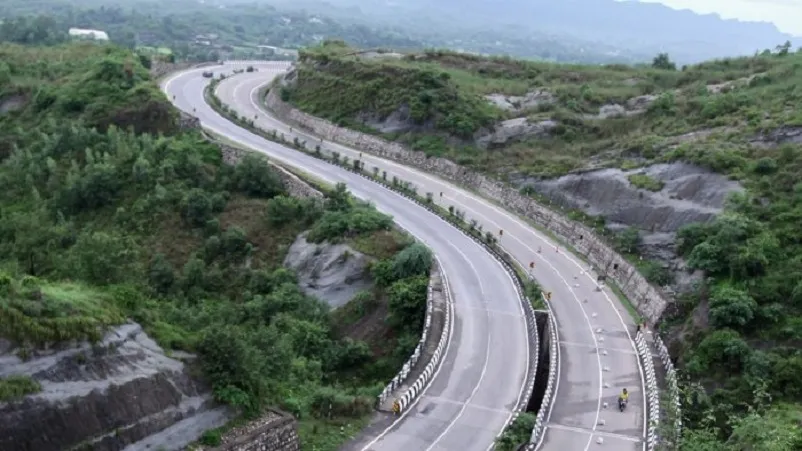
File photo of Srinagar-Jammu highway
File photo of Srinagar-Jammu highway
By Uzma Qadir Mir
The road to Kashmir's high-altitude villages often begins with a single bend in a mountain.
One moment you pass through a busy market filled with arguments over crop prices, and the next you are on a cliffside road with the Jhelum shining far below.
ADVERTISEMENTTravel in Jammu & Kashmir has always depended on roads like these. People grow up reading weather reports for survival. A sudden snowfall can turn a 20-minute trip into an overnight wait. A landslide can cut off an entire tehsil from the rest of the world.
These disruptions were once accepted as part of the landscape, woven into conversations and expectations.
Families planned weddings around weather forecasts. Students kept buffers of days while preparing to leave for exams in Jammu. Farmers held their breath while trucks full of apples trundled through the mountains, hoping the road ahead stayed open long enough to reach a mandi.
Life moved forward, though often on a timetable that the mountains controlled.
A shift began when the region witnessed an unprecedented push in building and modernizing roads. Villagers speak about the macadamization drives the way one might recount the arrival of electricity decades ago.
Over 41,000 kilometers of roads now run across the Union Territory, three-quarters of them black-topped. Administrators point to the remarkable pace of construction, an average of more than 20 kilometers a day.

Legal Disclaimer:
MENAFN provides the
information “as is” without warranty of any kind. We do not accept
any responsibility or liability for the accuracy, content, images,
videos, licenses, completeness, legality, or reliability of the information
contained in this article. If you have any complaints or copyright
issues related to this article, kindly contact the provider above.
Most popular stories
Market Research

More Story





Comments
No comment