



403
Sorry!!
Error! We're sorry, but the page you were looking for doesn't exist.
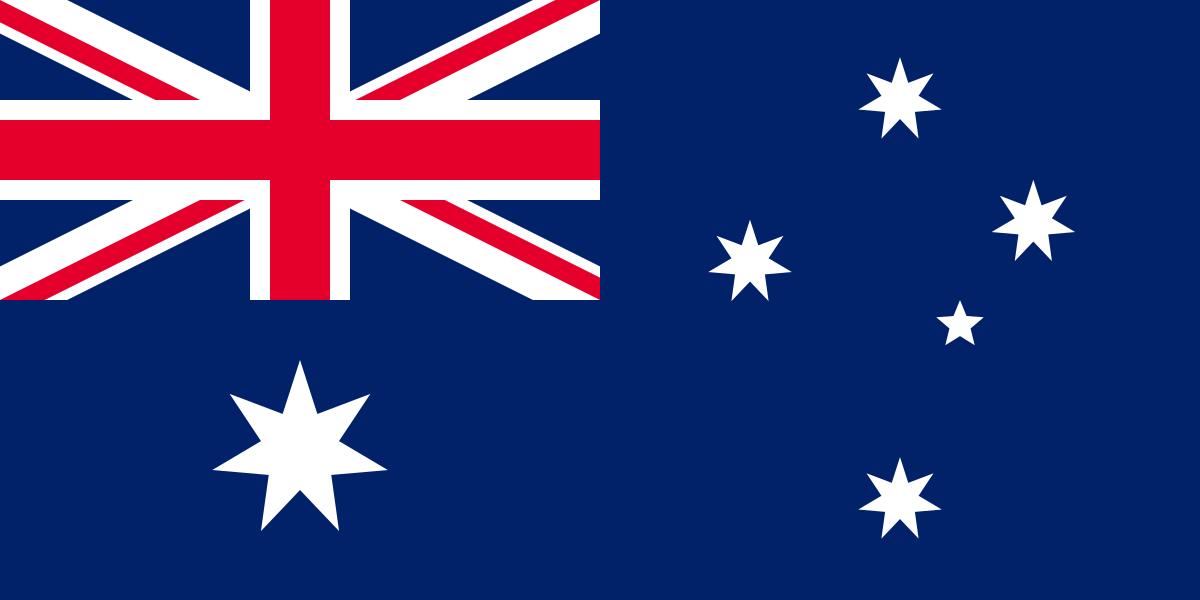
Australia Leads Global Shift With Under-16 Social Media Ban
(MENAFN- The Arabian Post)

Australia is rolling out a law that will bar under-16s from holding or creating accounts on major social media platforms - a first for any democracy - setting a possible precedent for other countries to follow. From 10 December 2025, services such as Facebook, Instagram, TikTok, Snapchat, YouTube, Reddit, X, Threads, Twitch and Kick must ensure no user under 16 is registered, or face fines of up to A$49.5 million.
Already the law is having real-world consequences: starting 4 December, Meta initiated the deactivation process for under-16 accounts on Facebook, Instagram and Threads, affecting an estimated 500,000 user profiles. YouTube, TikTok and other major platforms have confirmed they too will comply ahead of the deadline.
Supporters argue the policy will shield children from harmful online content and ease mental-health pressures; experts at University of Sydney note the ban could delay exposure to social-media-related stress, bullying and addictive behaviours - factors often linked to teenage online use.
Opponents warn that barring young teens from mainstream platforms may push them toward obscure, unregulated corners of the internet - where content moderation is weak or absent. Some young Australians are pursuing legal action through the Digital Freedom Project, claiming the ban violates their right to free expression and online participation.
Platforms are employing advanced age-verification systems - including photo ID, video-selfie checks via third-party tools like Yoti, and behavioural analysis - to comply with the law. Age verification came under scrutiny when tests showed limitations, especially for users near the age threshold or from ethnic minority backgrounds.
See also US warns citizens against travel to Venezuela amid mounting threatsBeyond Australia, regulators in Europe, the United States and other regions are observing closely. Experts suggest the ban may catalyse similar policy reviews elsewhere - especially amid growing evidence of youth exposure to harmful social media content.
Critics caution that the law may not wholly eliminate online dangers for under-16s. Even with mainstream platforms blocked, young people may gravitate toward unregulated apps or use VPNs, undermining the aims of safety and oversight.
The shift marks a major test of whether legislative pressure can drastically reduce youth exposure to social media harms - or whether it simply redirects that engagement to darker corners of the internet as governments worldwide evaluate the trade-offs.
Notice an issue? Arabian Post strives to deliver the most accurate and reliable information to its readers. If you believe you have identified an error or inconsistency in this article, please don't hesitate to contact our editorial team at editor[at]thearabianpost[dot]com. We are committed to promptly addressing any concerns and ensuring the highest level of journalistic integrity.

Legal Disclaimer:
MENAFN provides the
information “as is” without warranty of any kind. We do not accept
any responsibility or liability for the accuracy, content, images,
videos, licenses, completeness, legality, or reliability of the information
contained in this article. If you have any complaints or copyright
issues related to this article, kindly contact the provider above.
Most popular stories
Market Research

More Story







Comments
No comment