






403
Sorry!!
Error! We're sorry, but the page you were looking for doesn't exist.
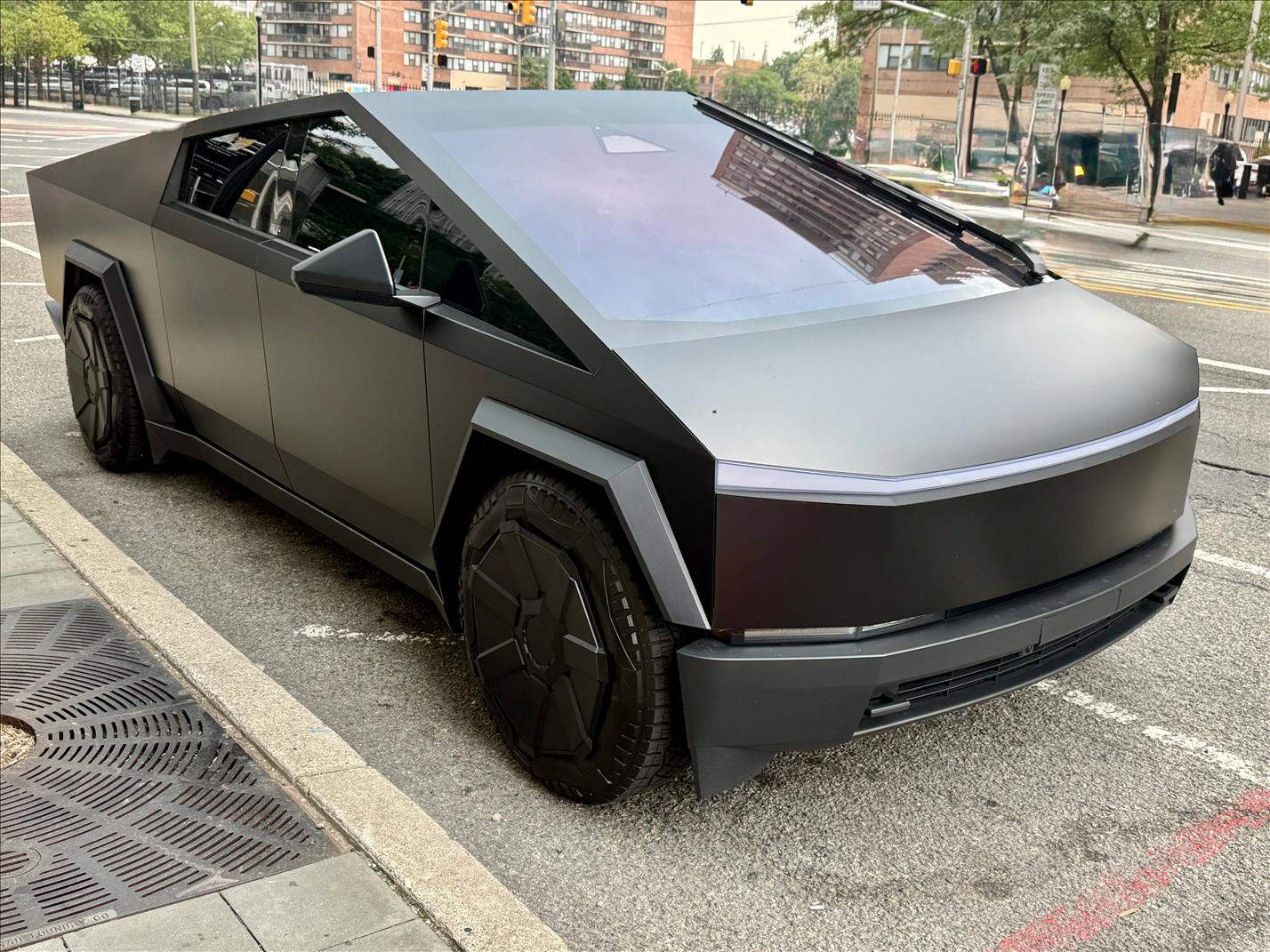
Tesla Eyes Unsupervised Driving By Year-End
(MENAFN- The Arabian Post)

Tesla is advancing a bold push toward delivering unsupervised Full Self-Driving to customers before the end of 2025, riding on technological progress, regulatory shifts and a faster rollout of robotaxi services. CEO Elon Musk recently reiterated the company's commitment to achieving true autonomy, underpinning Tesla's ambition to transform mobility globally.
The company's roadmap has gained momentum as its robotaxi programme - launched in June 2025 in Austin, Texas - expands aggressively. Tesla plans to double its robotaxi fleet in Austin in December, and analysts expect the service to enter up to 8–10 major U. S. metropolitan areas by year-end. Early deployments still rely on human safety monitors, but the expansion signals Tesla's intention to transition toward fully driverless operations.
Parallel to the robotaxi growth, Tesla has upgraded its FSD software suite. The latest release, FSD v14, has been made available on a trial basis to eligible users in North America. According to industry tracking data, FSD v14 records a substantial improvement in performance metrics compared with its predecessor, reducing critical disengagements and showing better behaviour in urban and suburban driving.
Analysts observing consumer reactions believe this enhancement could drive adoption rates significantly higher over the next year. As one noted, experience behind the wheel of consecutive FSD iterations has improved driver confidence, making users more willing to pay for the software. Tesla's subscriber base - currently a minority of its total vehicle fleet - could rise if this positive trend continues.
Internationally, the company is working to extend FSD approval beyond the United States. In China, Tesla has partial regulatory clearance under specific conditions, and Musk recently expressed expectation that full approval could come by early 2026. In Europe, Tesla has begun offering supervised ride-alongs in selected countries as part of efforts to win regulatory acceptance for its autonomous suite.
See also Abu Dhabi Introduces New Modular Smart Vehicle CategoryDespite these developments, the path to fully unsupervised driving remains contested. The system currently sold as FSD remains classified under Level 2 - advanced driver-assistance - which legally requires active human supervision. Safety regulators and industry critics continue to highlight a history of crashes tied to earlier versions of Autopilot and FSD, including a number of fatalities. That legacy underscores the challenge of convincing regulators and the public that fully autonomous driving is safe and reliable at scale.
Competition from other automakers and domestic EV manufacturers in key markets poses another obstacle. In China, for example, local brands are accelerating adoption of advanced assistance systems, sometimes offering comparable features at lower cost, eroding Tesla's premium advantage. Tesla must justify the additional expense and regulatory complexity of FSD relative to more affordable alternatives.
Technical hurdles also persist. While Tesla once touted its in-house Dojo supercomputer as the backbone for FSD development, the project reportedly faced setbacks that could complicate future training of autonomy models. Moreover, driving environments in many global cities - with erratic traffic, mixed vehicle types and complex pedestrian dynamics - remain difficult for AI-based driving systems to handle reliably.
Notice an issue? Arabian Post strives to deliver the most accurate and reliable information to its readers. If you believe you have identified an error or inconsistency in this article, please don't hesitate to contact our editorial team at editor[at]thearabianpost[dot]com. We are committed to promptly addressing any concerns and ensuring the highest level of journalistic integrity.

Legal Disclaimer:
MENAFN provides the
information “as is” without warranty of any kind. We do not accept
any responsibility or liability for the accuracy, content, images,
videos, licenses, completeness, legality, or reliability of the information
contained in this article. If you have any complaints or copyright
issues related to this article, kindly contact the provider above.
Most popular stories
Market Research

More Story



Comments
No comment