



403
Sorry!!
Error! We're sorry, but the page you were looking for doesn't exist.
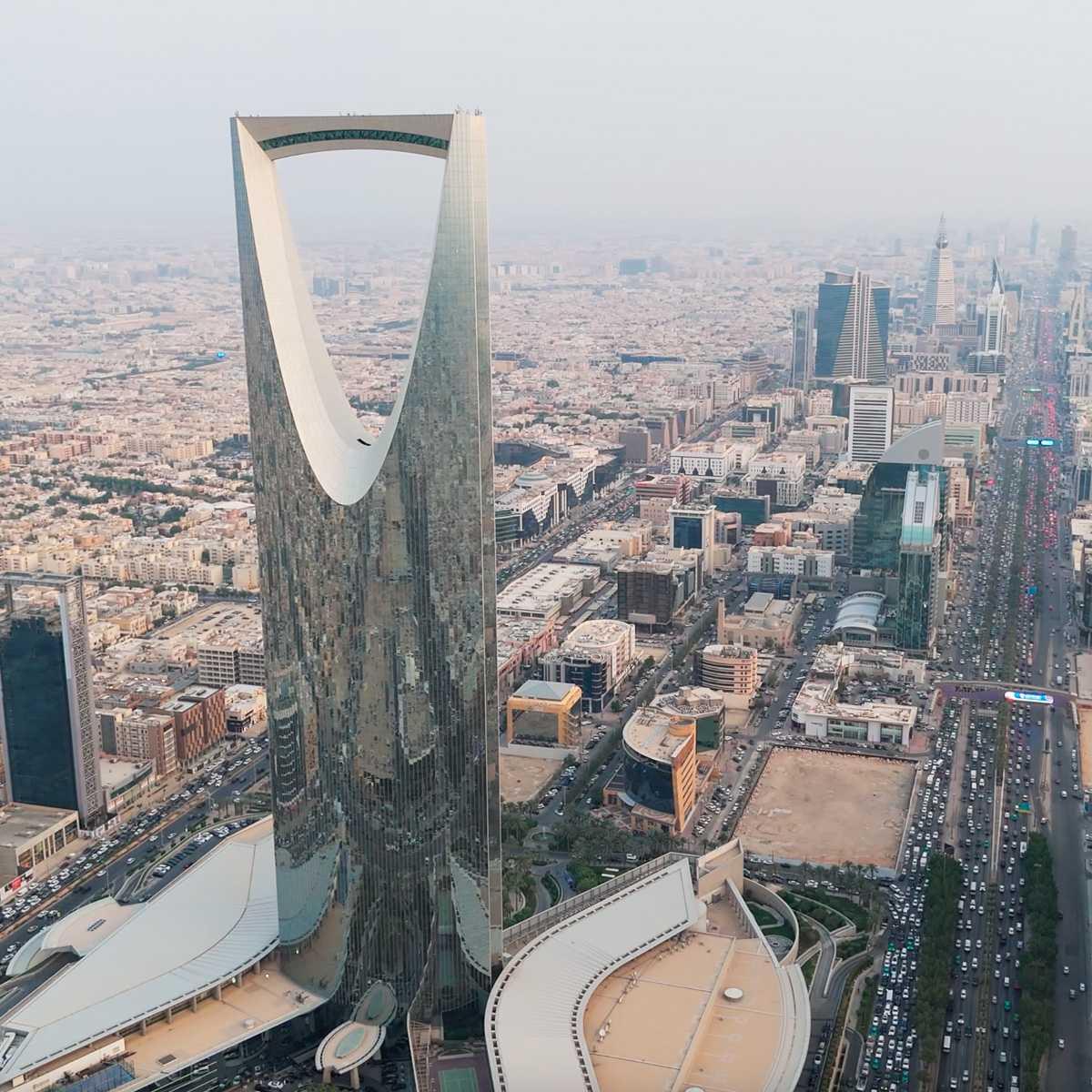
Saudi Budget Reinforces Growth Push Amid Lower Oil Prices
(MENAFN- The Arabian Post)
Arabian Post Staff -Dubai
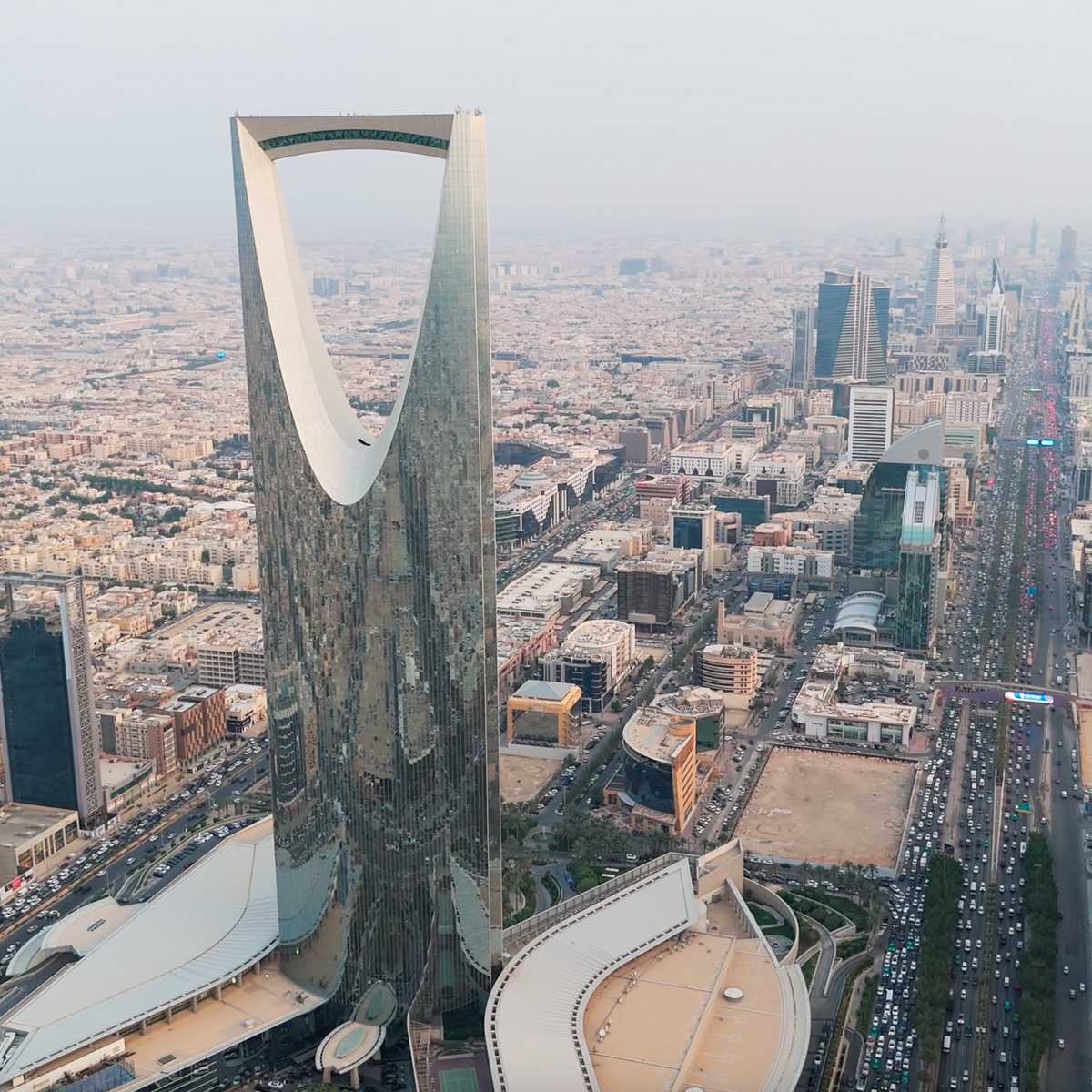
Saudi Arabia approved its 2026 state budget, confirming total government expenditure at 1.31 trillion riyals and setting revenues at approximately 1.15 trillion riyals, signalling a planned deficit of 165 billion riyals-equivalent to 3.3 percent of gross domestic product. The projected spending level is only marginally lower than the 2025 outlay, reflecting a continued commitment to funding national priorities and long-term economic diversification. Forecasts from the finance ministry indicate real GDP growth of about 4.6 percent in 2026, powered by expansion in non-oil sectors.
The scale of the deficit-characterised by officials as“by design”-underlines the kingdom's resolve to steer ahead with its transformation agenda despite weaker oil revenue trends. Government officials emphasise that the fiscal gap is a deliberate instrument to underpin public investment and stimulate private-sector growth under the umbrella of its long-term strategic plan. Capital expenditure remains a key lever, with budgets allocated across infrastructure, tourism, industry, logistics and technology sectors designed to accelerate diversification away from hydrocarbon dependency.
Plans for 2026 endorse a sustained pace of spending through at least 2027, maintaining what remains among the most ambitious public outlays in the region. While total expenditure edges down slightly from 2025, the finance ministry expects revenue streams to rebound gradually as non-oil activity gains momentum. Analysts monitoring budget flows note that the deficit trajectory is moderated by modest revenue improvements, though the sustained scale of borrowing continues to pose fiscal risks if global oil markets remain volatile.
Under the umbrella of the country's long-term development framework, the stakes attached to this budget stretch beyond fiscal arithmetic. The funding envelope targets enhancement of public services, expansion of national infrastructure and delivery of major development projects, all aimed at reshaping the economy's structure. Government officials reaffirm the strategy to channel capital into areas expected to yield long-term returns, rather than relying solely on volatile oil income.
See also Digital Sukuk Winds of Change for GCC MarketsNotice an issue? Arabian Post strives to deliver the most accurate and reliable information to its readers. If you believe you have identified an error or inconsistency in this article, please don't hesitate to contact our editorial team at editor[at]thearabianpost[dot]com. We are committed to promptly addressing any concerns and ensuring the highest level of journalistic integrity.

Legal Disclaimer:
MENAFN provides the
information “as is” without warranty of any kind. We do not accept
any responsibility or liability for the accuracy, content, images,
videos, licenses, completeness, legality, or reliability of the information
contained in this article. If you have any complaints or copyright
issues related to this article, kindly contact the provider above.
Most popular stories
Market Research

More Story





Comments
No comment