



403
Sorry!!
Error! We're sorry, but the page you were looking for doesn't exist.
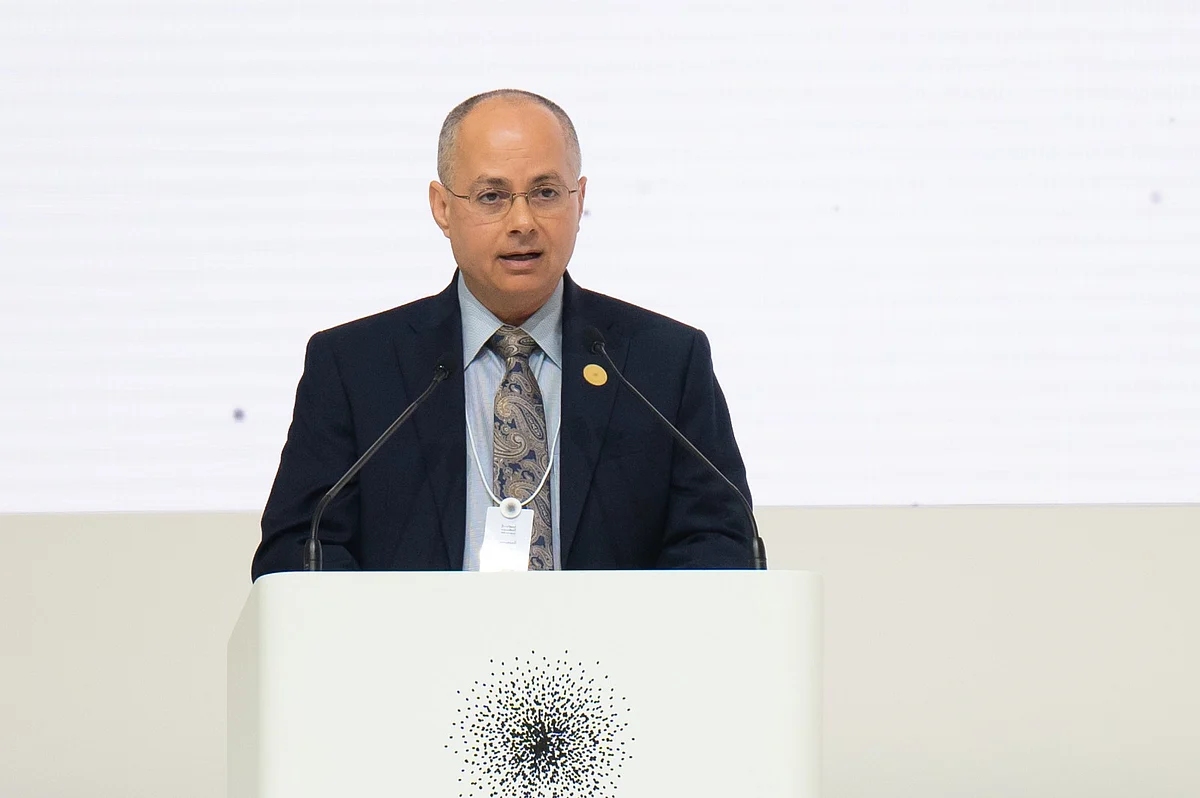
'Every Drop Matters': Nobel Laureate Omar Yaghi Wants To Turn UAE Desert Air Into Water
(MENAFN- Khaleej Times)
As a young boy in a refugee camp in Jordan, Omar Yaghi learned water scarcity the hard way. The tap flowed once every week or two, and only for a few hours. When word spread that water was coming, he would rush anxiously to fill every container he could. Every drop mattered.
Now, the Nobel Prize-winning chemist is working on technology that can draw clean water straight from the air, even on the driest places on Earth - including the Gulf.
Recommended For You Kings League's Gerard Piqué and 8Flamez's AboFlah headline exclusive creator meetup at BRIDGE Summit 2025In an exclusive interview with Khaleej Times, Omar Yaghi, the 2025 Nobel Prize and Great Arab Minds Award winner, said the first commercial atmospheric water-harvesting solutions are planned for the second half of 2026, capable of producing thousands of litres of water per day.
Stay up to date with the latest news. Follow KT on Whatsapp Channels.
“In 2020, I founded Atoco to carry this breakthrough from the molecular level to systems. After many years of research, we are now close to moving this technology from the lab to society,” said Omar, who is also the Chief Science Officer at Atoco.
The California-based startup has one mission, he explained: tackling water scarcity by developing sustainable solutions using reticular materials that his team has spent years designing and improving.
How it worksReticular materials are porous, crystalline materials built by stitching together molecular building blocks like LEGO pieces. Their internal structure is full of tiny cavities, each one acting like a parking lot for water molecules.
“One gram of these materials can have an internal surface area equivalent to a football field,” he said.
These materials are designed to attract only water from the air. Once collected, the water is released with very small temperature changes, allowing the system to work even in harsh climates and at very low humidity.
Why the Gulf“This region suffers from water stress that affects both communities and industries,” Yaghi said.
He believes the Gulf can benefit early from the technology because it creates new water sources without draining natural reserves. Such water can support food security, desert farming, remote communities, and irrigation in areas far from the coast.
“Atoco is already in talks with companies in the region. I can say with confidence that we will see our units generating water from air in the GCC,” he noted.
The UAE has set ambitious goals for green hydrogen production and AI infrastructure. Both depend heavily on water. Green hydrogen needs roughly 9 litres of ultra-pure water to produce just one kilogram of hydrogen.
“So why not use the atmosphere?” he said.
Atoco's systems can run on waste heat from electrolysers, feeding pure water directly back into the hydrogen process.
For data centres, a fast-growing sector in the UAE, atmospheric water can support cooling systems by using server heat to produce clean make-up water.“It eats the heat while producing pure water,” he explained.
A supplement to desalinationThe region relies heavily on desalination, which consumes energy and produces brine. Atmospheric water harvesting“adds resilience to water supply”, he said, by generating water where it is needed without electricity if necessary. It will not replace desalination but will diversify water sources in arid countries.
Winning the Nobel PrizeYaghi received his Nobel Prize in Chemistry“for discoveries that have conferred the greatest benefit to humankind.”“It's a feeling you simply can't prepare for,” he said.“I was genuinely surprised and deeply delighted.”
When Khaleej Times asked him if his life had changed since, he said,“The biggest change is not in my routine, but in my sense of purpose. If anything, I'm more motivated than ever,” he said.“I see the prize as encouragement to push science further and bring our work to society.”
Message to his younger selfYaghi often looks back to the child who first discovered molecular diagrams in a library.
“I would remind my younger self that it's okay not to know the answers,” he said.“If you keep your curiosity alive, it can guide you through challenges and lead you to places you never imagined, including, in my case, the Nobel Prize.”

Legal Disclaimer:
MENAFN provides the
information “as is” without warranty of any kind. We do not accept
any responsibility or liability for the accuracy, content, images,
videos, licenses, completeness, legality, or reliability of the information
contained in this article. If you have any complaints or copyright
issues related to this article, kindly contact the provider above.
Most popular stories
Market Research

More Story







Comments
No comment