






403
Sorry!!
Error! We're sorry, but the page you were looking for doesn't exist.
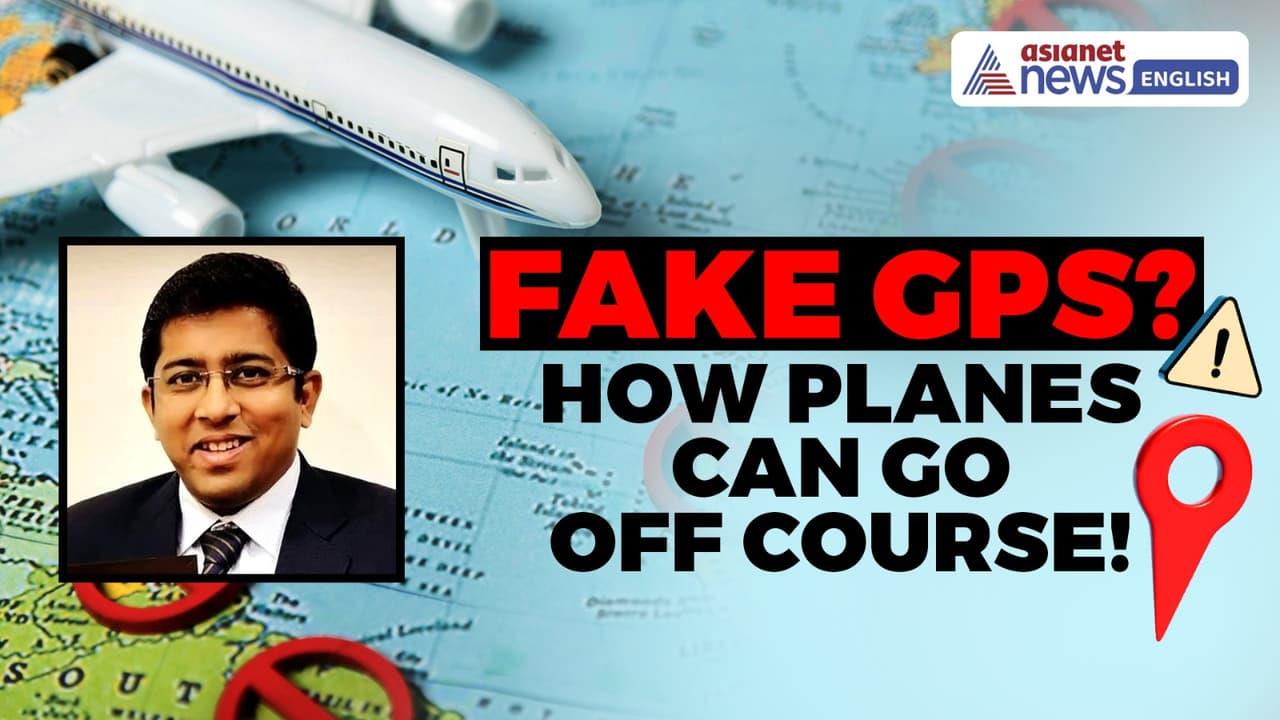
Invisible Warfare In Indian Skies? Expert Jiten Jain Breaks Down GPS Spoofing Threat
(MENAFN- AsiaNet News)
When India's busiest airports - Delhi, Mumbai, Kolkata, Amritsar, Hyderabad, Bengaluru and Chennai - began logging GPS spoofing alerts, most passengers on the incoming flights didn't know how close they came to chaos. The systems caught the deception in time. Pilots switched to backup navigation. Flights landed safely.
But cybersecurity expert Jiten Jain warns: this is not something India can afford to ignore.
GPS Spoofing Explained - Without the Jargon
In an exclusive interview with Asianet Newsable English's Heena Sharma, Jain breaks down the concept like he's explaining it to a friend planning a road trip.
“GPS is basically a constellation of satellites... to tell you the exact location of your mobile device or the receiver” he says.
It not only guides your route but also keeps the exact time, down to the nanosecond.
Spoofing, he says, is deception - not destruction:
“You are in a way overriding the signal with... bigger strength and the fake data... the receiver is tricked into believing... the new signal... is the actual GPS satellite signal. When you get hooked on to that fake GPS signal... you get wrong locations.”
Wrong locations can mean wrong landings. Wrong altitude. Wrong time. Wrong everything.
Why It's Life Or Death in an Aircraft
Modern aviation leans heavily on satellite navigation - especially when skies are fogged out and every meter matters.
“You need precision navigation... especially in cities like Delhi where there is no visibility, GPS has become a huge dependency. So, if you take off the GPS or the fake location data, you might create confusion, you might create panic."
Even a few minutes of doubt can cascade into disaster.
“It may not directly cause an accident, but this confusion and delay could lead to a catastrophe. There is a one-in-a-thousand chance that a pilot might make an error in interpreting navigational data. So it's extremely dangerous to distract pilots by feeding them fake GPS information. This is life-critical. An aircraft could be low on fuel - maybe it has only seconds left and is relying entirely on GPS. If the navigational data suddenly goes wrong, the crew may not have enough time to switch sources and cross-verify with other systems.”
Think of low fuel. Crowded airspace. Bad weather. The margin of error shrinks dangerously.
The Spoof Attack Could Be As Simple As... A Car?
Not every enemy needs a satellite to fake a satellite.
“You don't need a fake satellite... You could just plant a fake antenna... maybe mount it on a vehicle... operate it on a building and broadcast a fake GPS signal.”
That makes identification extremely difficult.
“There are no clear-cut ways... We don't know whether the source... is consistent at one place or it is moving.”
India's Wireless Monitoring Organisation (WMO) has been tasked with tracking down the interference sources - a hunt likened by experts to chasing radio ghosts.
Hybrid Warfare? Jain Doesn't Rule It Out
GPS spoofing has long been a frontline tactic in cyber and electronic warfare.
“Obviously, GPS spoofing has always been an integral part of cyber warfare and technology warfare these days. You would have seen reports of Russia jamming GPS signals to create problems for European planes - even when the European president was on board. So this has been happening. It happened during the Syria conflict as well. GPS jamming is quite common," Jain said.
“It also happens very often along the Korean border. But GPS spoofing at this scale is something new, and we are probably witnessing a first-of-its-kind cyberattack in terms of GPS spoofing,” he added.
Global conflicts have shown how quickly a navigation glitch can escalate international tensions.
So What Should India Do?
The DGCA now demands all spoofing incidents be reported within 10 minutes to alert nearby pilots. Jain says:
“They are just giving it more priority, so that they can warn the other aircraft.”
More encrypted systems and civil-military coordination are underway - quietly - because broadcasting weaknesses could invite more attacks.
“Whatever they are doing, it's not been public domain... and I would not be aware of it.”
If civilians suddenly see maps sending them to the wrong city - literally - say something.
“If you think that location is going wrong by kilometers... maybe report it to cyber helpline. Information going to the government is always welcome.”
The Stakes
India's aviation sector moves millions of people every day. A false signal at the wrong second could turn a routine landing into a tragedy.
This battle will likely play out unseen, in the shadows of our skies and inside encrypted frequencies. But experts like Jiten Jain want citizens - and policymakers - to understand one truth:
GPS spoofing isn't a prank. It's a national security threat flying right over our heads.

Legal Disclaimer:
MENAFN provides the
information “as is” without warranty of any kind. We do not accept
any responsibility or liability for the accuracy, content, images,
videos, licenses, completeness, legality, or reliability of the information
contained in this article. If you have any complaints or copyright
issues related to this article, kindly contact the provider above.
Most popular stories
Market Research

More Story





Comments
No comment