






403
Sorry!!
Error! We're sorry, but the page you were looking for doesn't exist.

A Letter To Kashmiri Parents On The MBBS Obsession
(MENAFN- Kashmir Observer)
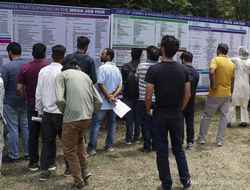
Representational Photo
Representational Photo
Kashmiri families are once again gearing up for NEET season, with coaching classes, forms and long study nights filling the routine.
The dream of seeing a child wear a white coat still carries weight in the valley. It suggests respect, a stable income and a safe future.
Many parents feel that an MBBS degree will solve everything. The experience of young doctors in 2025 shows a very different picture, one that every family in Kashmir should know before guiding a child toward this long and demanding journey.
ADVERTISEMENTIndia now offers around 1.37 lakh MBBS seats, a huge rise compared to earlier years. On the surface, this looks like progress. The real test begins after the degree.
Postgraduate seats have not increased in the same way. The country has only about 60,000 to 65,000 PG seats for more than one lakh MBBS graduates each year. This gap has created a serious backlog.
Many young doctors spend years trying to specialise, preparing for exams again and again or taking stopgap jobs with very low salaries.
This mismatch has pushed unemployment to levels that were hard to imagine earlier.
Between 80,000 and 1.5 lakh MBBS graduates in India are without proper work or are earning far below what they trained for. In states like Tamil Nadu and Karnataka, several doctors work for food delivery apps or ride services to support themselves.
In private hospitals, salaries often fall between ₹25,000 and ₹30,000 a month. These jobs come with strict contracts and little room to grow.
For Kashmiri parents who invest years of savings in coaching centres and tuition, this reality feels harsh.
The work environment for those who do get placements carries its own strain. Surveys show that between 62 and 80 percent of doctors in India have faced some form of workplace violence, from verbal abuse to physical assault.
The RG Kar Medical College incident brought attention for a brief time, but strong national protection for doctors is still missing. Hospitals remain crowded, tempers rise easily, and doctors often face anger that comes from deeper failures in the healthcare system.
Heavy workload adds another layer of pressure. Junior doctors often work 80 to 100 hours a week, with long night duties that drain them physically and emotionally. Burnout is common, and many young doctors speak openly about stress and anxiety.
The training years were always demanding, but without proper support, the journey becomes overwhelming.
A new shift among top students reflects this changing reality. Several NEET toppers and high-rankers have moved to engineering, data science and computer science. These fields offer quicker financial security, clear career paths and a better balance between work and home.
Their decisions point to a shared worry that medicine no longer promises the stability it once did.
Foreign medical graduates face even tougher challenges. The FMGE pass rate often stays below 20 percent. Many young doctors spend years preparing for it, unable to work and under constant pressure at home.

Legal Disclaimer:
MENAFN provides the
information “as is” without warranty of any kind. We do not accept
any responsibility or liability for the accuracy, content, images,
videos, licenses, completeness, legality, or reliability of the information
contained in this article. If you have any complaints or copyright
issues related to this article, kindly contact the provider above.
Most popular stories
Market Research

More Story




Comments
No comment