


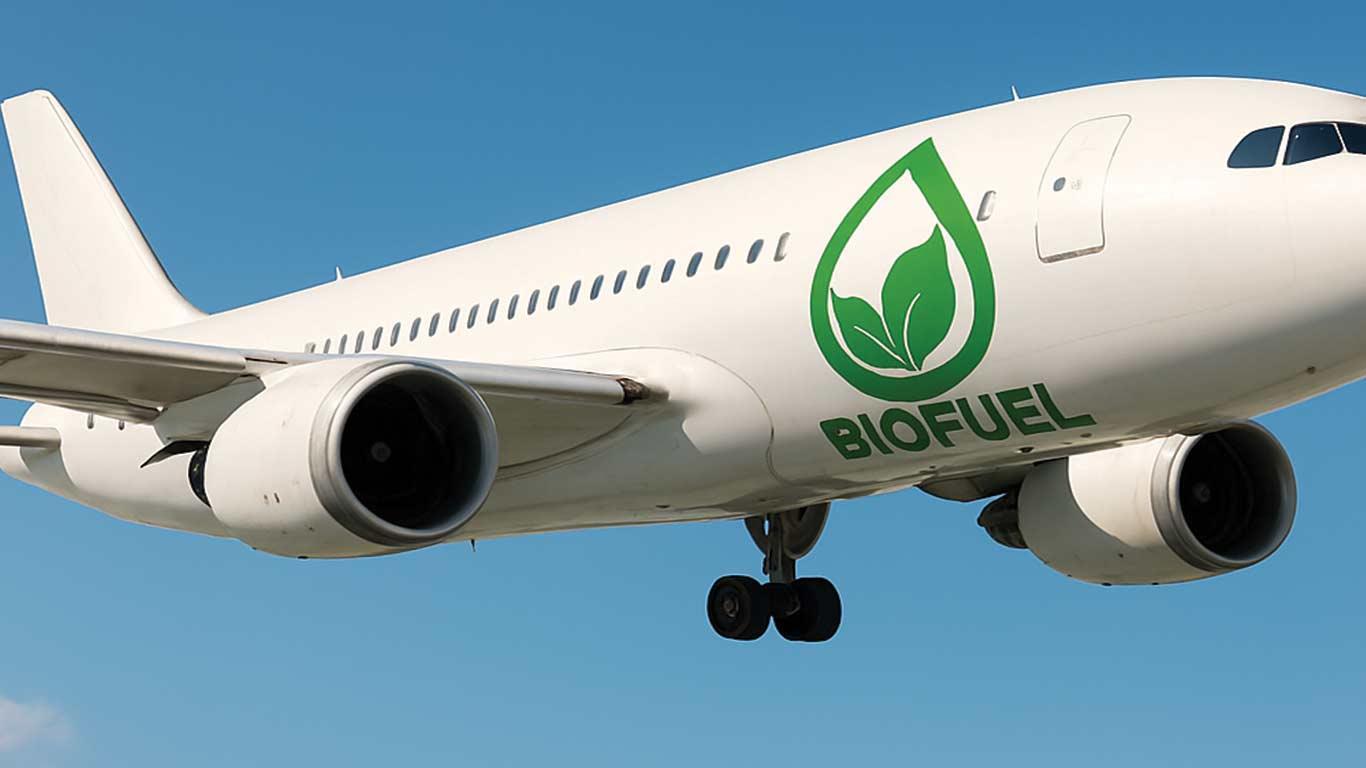
India May Mandate 5 Per Cent SAF Blend For Domestic Flights By 2030


These targets would create domestic SAF demand of nearly 100 crore litres by 2030 and 600 crore litres by 2040.
India's strength in pursuing SAF lies in its abundant feedstock supply. Raw materials like used cooking oil, agricultural residue, sugarcane, maize, and other biomass sources could allow India not only to meet domestic demand but also to become an exporter.
The report estimates the country could produce 2,450–3,100 crore litres of SAF annually by 2040.
Currently, India has introduced SAF blending mandates only for international flights - 1% by 2027, 2% by 2028, and 5% by 2030.
However, no official blending targets have been announced for domestic flights so far. Introducing such targets would be a major policy shift aimed at decarbonising aviation.
Supporting this transition, Indian Oil Corporation (IOC) plans to begin producing SAF from used cooking oil at its Panipat refinery.
Starting December 2025, the refinery will have an annual production capacity of 35,000 tonnes, with raw materials sourced from hospitality chains like ITC and Haldiram's.
Blending SAF with conventional aviation turbine fuel (ATF) can reduce greenhouse gas emissions by up to 80%compared to traditional jet fuel.
With its strong feedstock base and rapidly growing aviation sector, India has the potential to emerge as a global leader in the SAF market.
(KNN Bureau)

Legal Disclaimer:
MENAFN provides the
information “as is” without warranty of any kind. We do not accept any
responsibility or liability for the accuracy, content, images, videos,
licenses, completeness, legality, or reliability of the information
contained in this article. If you have any complaints or copyright issues
related to this article, kindly contact the provider above.


Comments
No comment