




403
Sorry!!
Error! We're sorry, but the page you were looking for doesn't exist.
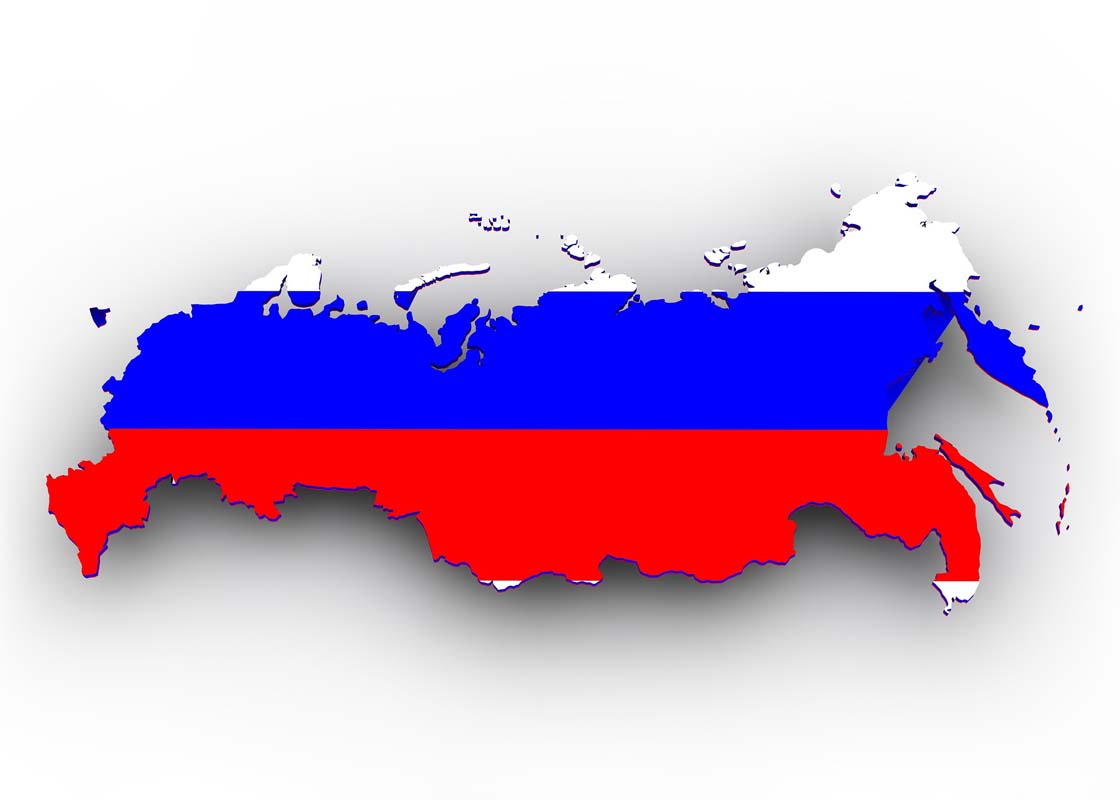
Russia’s Kamchatka Earthquake Declared Strongest in Decades
(MENAFN) Russian officials confirmed on Wednesday that a powerful 8.8 magnitude earthquake struck the country’s far eastern Kamchatka Peninsula, marking the most intense seismic event ever recorded in the region.
The quake’s epicenter was pinpointed 149 kilometers (92 miles) southeast of Petropavlovsk-Kamchatsky—Kamchatka Krai’s administrative hub—at a depth of 17 kilometers (10.5 miles), according to regional governor Vladimir Solodov in a message posted on Telegram.
"This is the strongest earthquake in the entire instrumental observation period (observations, using special devices), with a magnitude of 8.8. We expect regular, prolonged aftershocks," Solodov stated.
He urged residents to stay composed, avoid spreading panic, and rely solely on verified official updates.
Subsequently, the Kamchatka Branch of the Russian Academy of Sciences' Unified Geophysical Service reported that varying assessments indicated the quake's magnitude could be as high as 8.7.
In the hour following the initial tremor, eight more quakes—each exceeding magnitude 5—were recorded off Kamchatka’s coast. These aftershocks occurred at depths ranging between 7 and 100 kilometers (4.3–62 miles), according to the geophysical service.
Seismologists anticipate that aftershocks, potentially reaching magnitudes up to 7.5, could persist for at least another month.
The earthquake generated tsunamis that not only impacted Russia’s Pacific coastline but also reached neighboring shores in the United States and Japan. In affected Russian areas, tsunami waves measuring between 3 and 4 meters (9.8–13 feet) were observed.
In response, officials declared a state of emergency across the region. Emergency services have been placed on high alert, and disaster response efforts are underway. Temporary shelters have been established, and aid is being distributed to evacuees displaced by structural damage concerns.
All schools, sports complexes, and public institutions have been closed, with working hours shortened to minimize risk.
Despite the quake's severity, no fatalities have been reported so far. Experts emphasized that such an event had long been expected. Scientists have forecasted the possibility of a major quake in Kamchatka for over three decades, prompting regional preparations.
Historically, Kamchatka has experienced eight major earthquakes, the most recent occurring in 2006 with a maximum recorded magnitude of 6.6.
The quake’s epicenter was pinpointed 149 kilometers (92 miles) southeast of Petropavlovsk-Kamchatsky—Kamchatka Krai’s administrative hub—at a depth of 17 kilometers (10.5 miles), according to regional governor Vladimir Solodov in a message posted on Telegram.
"This is the strongest earthquake in the entire instrumental observation period (observations, using special devices), with a magnitude of 8.8. We expect regular, prolonged aftershocks," Solodov stated.
He urged residents to stay composed, avoid spreading panic, and rely solely on verified official updates.
Subsequently, the Kamchatka Branch of the Russian Academy of Sciences' Unified Geophysical Service reported that varying assessments indicated the quake's magnitude could be as high as 8.7.
In the hour following the initial tremor, eight more quakes—each exceeding magnitude 5—were recorded off Kamchatka’s coast. These aftershocks occurred at depths ranging between 7 and 100 kilometers (4.3–62 miles), according to the geophysical service.
Seismologists anticipate that aftershocks, potentially reaching magnitudes up to 7.5, could persist for at least another month.
The earthquake generated tsunamis that not only impacted Russia’s Pacific coastline but also reached neighboring shores in the United States and Japan. In affected Russian areas, tsunami waves measuring between 3 and 4 meters (9.8–13 feet) were observed.
In response, officials declared a state of emergency across the region. Emergency services have been placed on high alert, and disaster response efforts are underway. Temporary shelters have been established, and aid is being distributed to evacuees displaced by structural damage concerns.
All schools, sports complexes, and public institutions have been closed, with working hours shortened to minimize risk.
Despite the quake's severity, no fatalities have been reported so far. Experts emphasized that such an event had long been expected. Scientists have forecasted the possibility of a major quake in Kamchatka for over three decades, prompting regional preparations.
Historically, Kamchatka has experienced eight major earthquakes, the most recent occurring in 2006 with a maximum recorded magnitude of 6.6.

Legal Disclaimer:
MENAFN provides the
information “as is” without warranty of any kind. We do not accept
any responsibility or liability for the accuracy, content, images,
videos, licenses, completeness, legality, or reliability of the information
contained in this article. If you have any complaints or copyright
issues related to this article, kindly contact the provider above.
Most popular stories
Market Research

More Story







Comments
No comment