




403
Sorry!!
Error! We're sorry, but the page you were looking for doesn't exist.
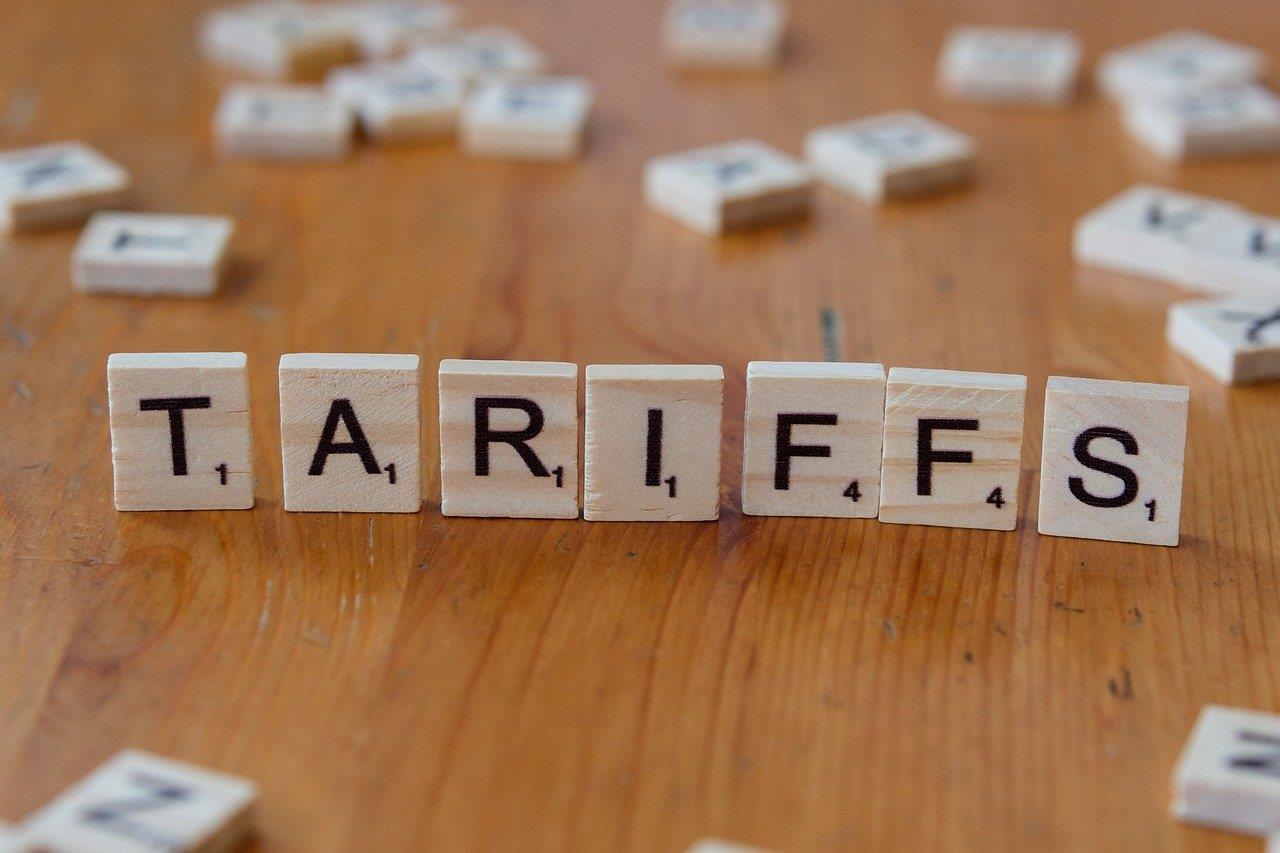
India suggests ‘deep cuts’ on tariffs as discussions with US continue
(MENAFN) India has put forward significant reductions in import tariffs on various goods as part of efforts to finalize a preliminary trade deal with the United States, according to the Financial Times. However, India intends to keep tariffs high on certain sensitive agricultural products like grains and dairy.
The country aims to reach an agreement before July 9, the deadline when the US plans to enforce a 26% reciprocal tariff on all Indian imports if no deal is reached. Sources familiar with the talks told the FT that India is willing to lower tariffs on less sensitive farm goods, such as almonds, which currently face tariffs as high as 120%. India may also consider reducing duties on imported oil and gas, currently set between 2.5% and 3%.
Though details on US products benefiting from tariff cuts were not disclosed due to the early stage of negotiations, Indian trade officials hinted that any concessions would mirror those in recent trade agreements, such as with the UK, where tariffs were lowered on items including alcoholic beverages, cars (including electric vehicles), auto parts, and engineering goods.
India’s Finance Ministry stated in its Monthly Economic Review that a successful trade deal with the US could transform current challenges into new opportunities by expanding market access and boosting exports.
The US imposed additional tariffs on Indian products starting April 2 but temporarily suspended them for 90 days, with the suspension ending on July 9. The baseline 10% US tariff on Indian goods remains in effect.
US President Donald Trump has referred to India as the “tariff king.” In response to US concerns, India reduced customs duties earlier this year on luxury cars and solar panels. The 2025 federal budget also proposed cutting the peak import tariff from 150% to 70% and lowering average tariffs from 13% to below 11%.
Indian officials confirmed the country is prepared to purchase US defense equipment and liquefied natural gas. However, despite these moves, US companies like Apple have been advised against expanding manufacturing operations in India.
The country aims to reach an agreement before July 9, the deadline when the US plans to enforce a 26% reciprocal tariff on all Indian imports if no deal is reached. Sources familiar with the talks told the FT that India is willing to lower tariffs on less sensitive farm goods, such as almonds, which currently face tariffs as high as 120%. India may also consider reducing duties on imported oil and gas, currently set between 2.5% and 3%.
Though details on US products benefiting from tariff cuts were not disclosed due to the early stage of negotiations, Indian trade officials hinted that any concessions would mirror those in recent trade agreements, such as with the UK, where tariffs were lowered on items including alcoholic beverages, cars (including electric vehicles), auto parts, and engineering goods.
India’s Finance Ministry stated in its Monthly Economic Review that a successful trade deal with the US could transform current challenges into new opportunities by expanding market access and boosting exports.
The US imposed additional tariffs on Indian products starting April 2 but temporarily suspended them for 90 days, with the suspension ending on July 9. The baseline 10% US tariff on Indian goods remains in effect.
US President Donald Trump has referred to India as the “tariff king.” In response to US concerns, India reduced customs duties earlier this year on luxury cars and solar panels. The 2025 federal budget also proposed cutting the peak import tariff from 150% to 70% and lowering average tariffs from 13% to below 11%.
Indian officials confirmed the country is prepared to purchase US defense equipment and liquefied natural gas. However, despite these moves, US companies like Apple have been advised against expanding manufacturing operations in India.

Legal Disclaimer:
MENAFN provides the
information “as is” without warranty of any kind. We do not accept
any responsibility or liability for the accuracy, content, images,
videos, licenses, completeness, legality, or reliability of the information
contained in this article. If you have any complaints or copyright
issues related to this article, kindly contact the provider above.
Most popular stories
Market Research








Comments
No comment