




403
Sorry!!
Error! We're sorry, but the page you were looking for doesn't exist.
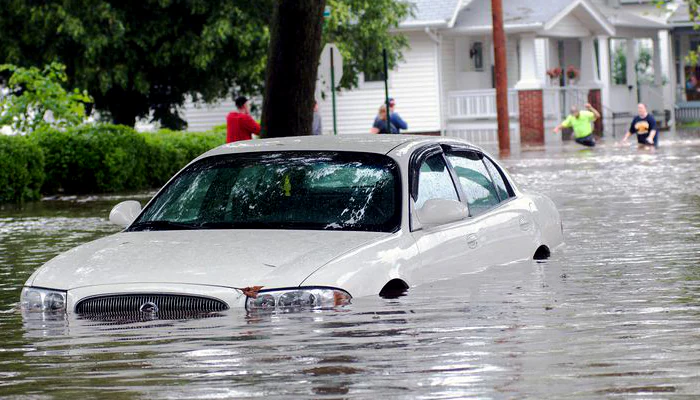
Car Flooded? How To Prevent Your Vehicles From Getting Damaged In Monsoon
(MENAFN- AsiaNet News) Heavy rains have been lashing several parts of the state for the past few hours, submerging many areas and roads. Many people are still unsure about what to do if their vehicles get caught in floodwaters. By following these tips, you can protect your vehicle from water damage to a certain extent.
1. Don't Drive Through Flooded Areas Avoid driving through flooded areas even if you see other vehicles doing so. The placement of filters and snorkels varies between vehicles, and water could enter your vehicle.
2. Don't Start the Engine If your vehicle stalls in floodwater, do not attempt to restart it immediately. Move the vehicle out of the water as quickly as possible without starting the engine. Disconnect the battery terminals and take the vehicle to a workshop. Also, inform your insurance company.
3. Tow on a Level Surface If your vehicle has an automatic transmission, tow it on a level surface. If this isn't possible, lift the front or driving wheels off the ground before towing.
4. Change the Engine Oil Change the engine oil of a flood-damaged vehicle. Change and clean the engine oil two to three times.
5. Clean Air Intakes Replace the air filter, oil filter, and fuel filter. Thoroughly clean all air intakes where water might have entered the engine.
6. Rotate the Tires After refilling the engine oil, jack up the front wheels and manually rotate them to distribute the oil throughout the engine. Do this for at least fifteen minutes. Drain and refill the oil, then rotate the tires again. Repeat this process at least three times.
7. Check Fuses Inspect the electrical components and replace any blown fuses.
8. Start the Engine Now start the engine and let it run for at least two minutes. You can then drive the vehicle.

Legal Disclaimer:
MENAFN provides the
information “as is” without warranty of any kind. We do not accept
any responsibility or liability for the accuracy, content, images,
videos, licenses, completeness, legality, or reliability of the information
contained in this article. If you have any complaints or copyright
issues related to this article, kindly contact the provider above.
Most popular stories
Market Research

More Story






Comments
No comment