




403
Sorry!!
Error! We're sorry, but the page you were looking for doesn't exist.
Time To Develop US Industrial Strategy Which Requires Allies
(MENAFN- Asia Times)
This article was originally published by Pacific Forum . It is republished with permission.
The 21st century global economy is increasingly shaped by two defining pillars of national power: financial dominance and industrial capacity.
On the one hand, the United States maintains an enduring edge in global finance, with the US dollar still entrenched as the world's reserve currency and American capital markets unrivaled in scale and liquidity. On the other, China has emerged as the world's manufacturing powerhouse, anchoring global supply chains and asserting influence through its industrial footprint.
As economic competition intensifies between Washington and Beijing, the US must recognize that preserving its strategic edge requires more than just financial leverage. It demands an ambitious and coherent industrial strategy.
In recent years, US policymakers have responded to China's industrial rise with a series of reactive measures: tariffs, export controls and investment restrictions. While these tools may address short-term imbalances or national security risks, they do little to resolve the foundational challenges eroding America's manufacturing base.
Without tackling these core issues – a shrinking skilled workforce, outdated infrastructure, and brittle supply chains – America's efforts to restore production and reduce dependency on China will falter.
Moreover, these temporary policy instruments signal inconsistency. From Beijing's perspective, a coherent and sustained US industrial strategy poses a greater long-term challenge than ad hoc trade barriers.
China has long anticipated an American pivot toward rebuilding domestic capabilities, which is why it has redoubled efforts to internationalize the renminbi (RMB) and invest in technology self-sufficiency through programs like“Made in China 2025” and the dual circulation strategy.
The landscape of high-tech manufacturing illustrates the complexity of this rivalry. Taiwanese-owned factories play an outsized role in this arena, particularly in sectors such as semiconductors and electronics.
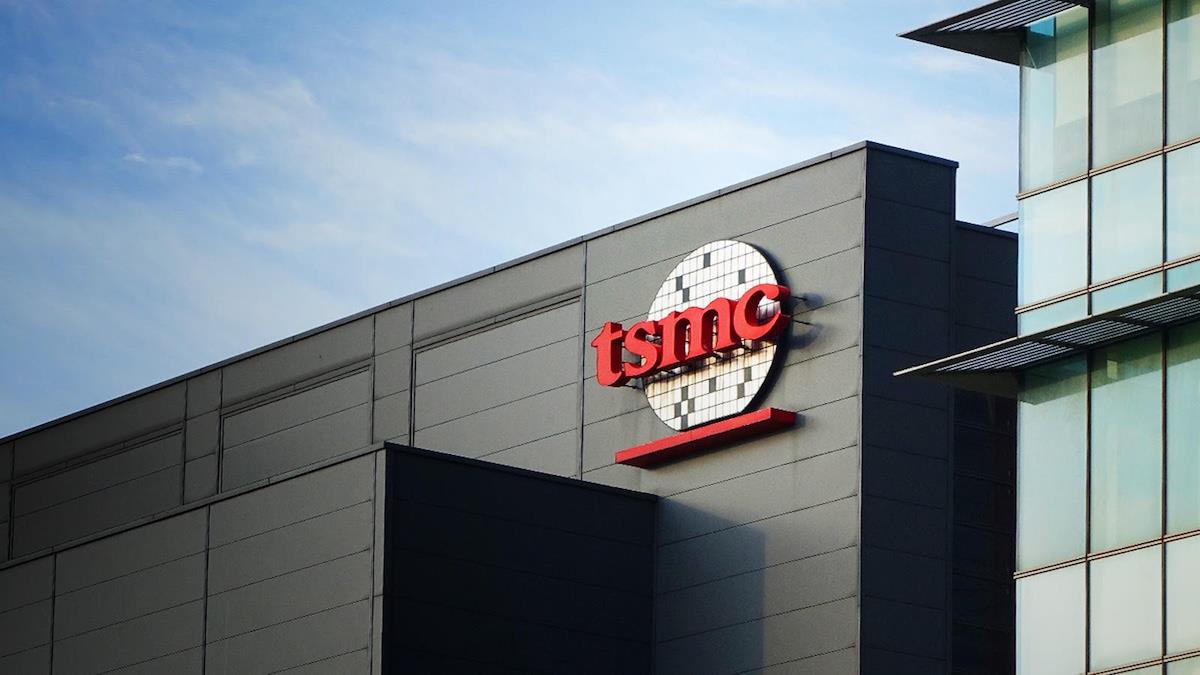
Taiwan Semiconductor Manufacturing Company (TSMC), for example, produces over 90% of the world's most advanced chips and has long operated major fabrication plants in mainland China. However, geopolitical tensions and supply chain disruptions have spurred a geographic recalibration. In March, TSMC announced it intended to boost its US investments to $165 billion.
Similarly, other Taiwanese firms like Foxconn have begun diversifying away from the mainland China, exploring sites in Southeast Asia and North America.
This migration is driven not only by strategic hedging, but by rising concerns over operational risk. Beijing's increasingly assertive stance toward Taiwan – underscored by military drills, trade coercion and political pressure – has fueled public resentment in Taiwan and hardened resolve there to chart an independent economic path.

Legal Disclaimer:
MENAFN provides the
information “as is” without warranty of any kind. We do not accept
any responsibility or liability for the accuracy, content, images,
videos, licenses, completeness, legality, or reliability of the information
contained in this article. If you have any complaints or copyright
issues related to this article, kindly contact the provider above.
Most popular stories
Market Research

More Story








Comments
No comment