




403
Sorry!!
Error! We're sorry, but the page you were looking for doesn't exist.
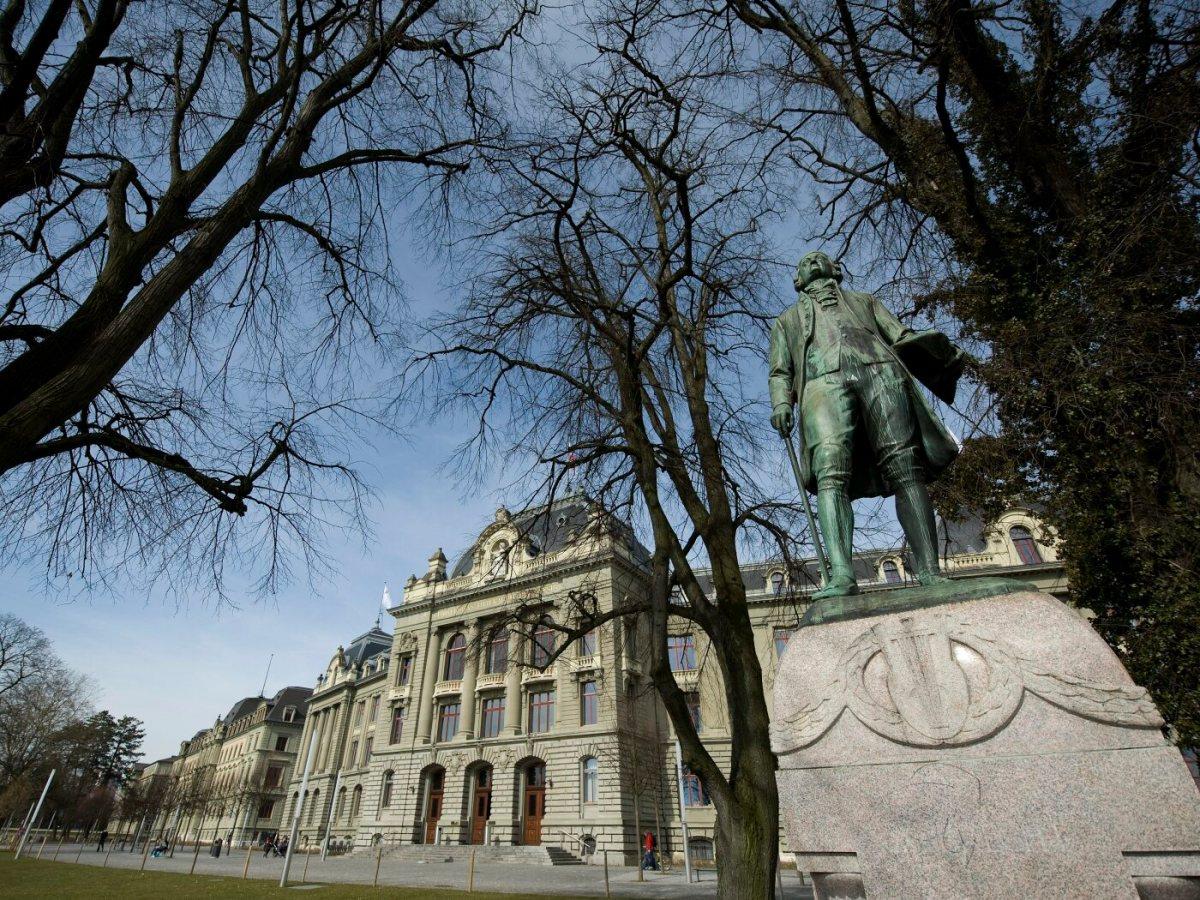
Climate Change: Swiss Study Says Gulf Stream Not Weakening Yet
(MENAFN- Swissinfo)
A new Swiss study suggests that the Gulf Stream hasn't weakened yet. This challenges earlier research that concluded the Gulf Stream is steadily losing strength. Such a shift could have serious implications for the climate.
This content was published on
January 15, 2025 - 16:11
3 minutes
Keystone-SDA
-
Deutsch
de
Der Golfstrom ist laut neuer Berner Studie noch nicht abgeschwächt
Original
Read more: Der Golfstrom ist laut neuer Berner Studie noch nicht abgeschwäch
+Get the most important news from Switzerland in your inbox
Jens Terhaar, head of the study, stressed in a press release from the University of Bern on Wednesday that it's too soon to sound the all-clear regarding future climate change and its consequences.
Ocean circulation in the North Atlantic, including the Gulf Stream, affects the global climate. The Gulf Stream carries warm water from the tropics to the North Atlantic. As it moves towards the Arctic, the water in the North Atlantic Current cools and becomes saltier through evaporation, making it denser and causing it to sink.
There are concerns that rising temperatures in the north and melting ice reducing the salt content could cause the system to collapse. The University of Bern highlights in its press release that such a collapse would have serious consequences. Europe would become much colder, while other regions could face heatwaves, droughts, or changes in the monsoon.
Is the Gulf Stream current weakening?Researchers from Bern caution that it's uncertain whether this circulation has already weakened due to climate change, as direct observations have only been available for 20 years.
In a new study published on Wednesday in the journal Nature Communications, researchers from the University of Bern and the Woods Hole Oceanographic Institution in the US have added fresh insights to this debate. Using a novel method involving 24 Earth system models and observations of heat flow between the ocean and atmosphere in the North Atlantic, they concluded that no slowdown was detectable between 1963 and 2017.
While these new reconstructions are more robust than previous ones, they come with“limitations and caveats”, the researchers noted. However, it's unlikely that the circulation has weakened over the past 60 years.
Translated from German by DeepL/sp

Legal Disclaimer:
MENAFN provides the
information “as is” without warranty of any kind. We do not accept
any responsibility or liability for the accuracy, content, images,
videos, licenses, completeness, legality, or reliability of the information
contained in this article. If you have any complaints or copyright
issues related to this article, kindly contact the provider above.
Most popular stories
Market Research

More Story






Comments
No comment