




403
Sorry!!
Error! We're sorry, but the page you were looking for doesn't exist.
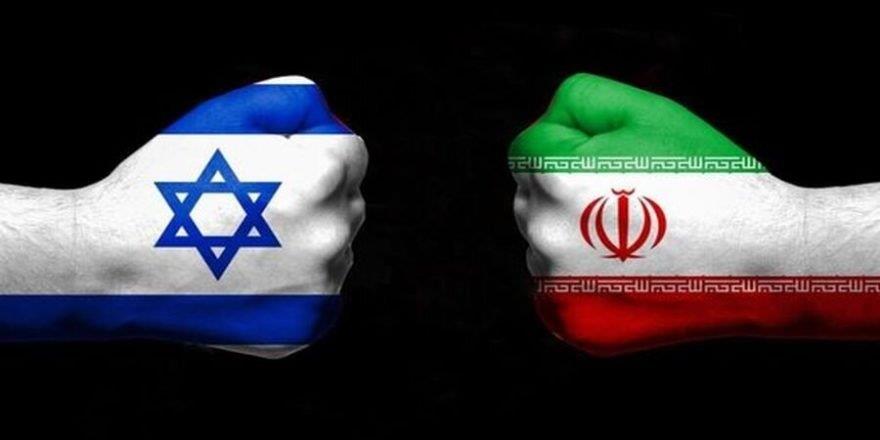
Iran Is The Next Target After Defeating Hamas And Hezbollah: Netanyahu
(MENAFN- Khaama Press) Reuters reported that following Israel's victory over Hamas and Hezbollah, and the fall of Bashar al-Assad's regime in Syria,“Iran is the next target for Benjamin Netanyahu.” The report suggests that if the Islamic Republic does not halt its nuclear program, both the U.S. and Israel may consider military action.
According to the report, Netanyahu is determined to“neutralize Iran's nuclear ambitions and missile program” and eliminate any threats to Israel. This marks a significant escalation in Israel's approach to Iran, emphasizing the potential for military action.
Reuters, on Friday, December 20, quoted experts saying that Iran faces a tough decision: continue its uranium enrichment activities or reduce its nuclear activities and engage in negotiations.
Palestinian analyst Ghassan al-Khatib stated that if Iran refuses to back down from its nuclear program, Israel and the U.S. under the leadership of Trump and Netanyahu“may attack, as nothing now stands in their way.”
Al-Khatib noted that Iranian officials may be willing to negotiate to avoid a military confrontation, drawing on past instances of diplomatic flexibility in times of crisis.
Joost Hiltermann, director of the Middle East and North Africa Program at the International Crisis Group, said,“Iran is highly vulnerable to an Israeli attack, especially concerning its nuclear program.”
Israeli Prime Minister Netanyahu, in a December 15 video message, stressed the need for a“new face for the Middle East,” pointing to the growing power of Israel in confronting the Islamic Republic and its proxies across the region.
In recent weeks, media outlets have reported that members of Donald Trump's team are seriously evaluating options to prevent Iran from acquiring nuclear weapons, including“preemptive airstrikes.”
The elected U.S. President, Time Magazine's Person of the Year, also did not rule out the possibility of military action against Iran in a recent interview.
The escalation of tensions in the Middle East is approaching a critical point, with Israel and the U.S. increasingly focusing on Iran's nuclear ambitions. This could lead to a potential military confrontation if diplomatic efforts fail. The broader implications for regional stability are profound, as countries like Syria and groups like Hezbollah and Hamas continue to shape the volatile landscape.
With the shift in regional dynamics, including Syria's uncertainty after Assad's fall, the next moves in the Middle East are crucial. The growing risks of military strikes, coupled with the changing power structures, will continue to fuel tensions. The situation remains fluid, and the coming months will likely determine the trajectory of the region's political and military conflicts.
ShareFacebook Twitter WhatsApp Email Print Telegram
Legal Disclaimer:
MENAFN provides the
information “as is” without warranty of any kind. We do not accept
any responsibility or liability for the accuracy, content, images,
videos, licenses, completeness, legality, or reliability of the information
contained in this article. If you have any complaints or copyright
issues related to this article, kindly contact the provider above.
Most popular stories
Market Research

More Story








Comments
No comment