




403
Sorry!!
Error! We're sorry, but the page you were looking for doesn't exist.
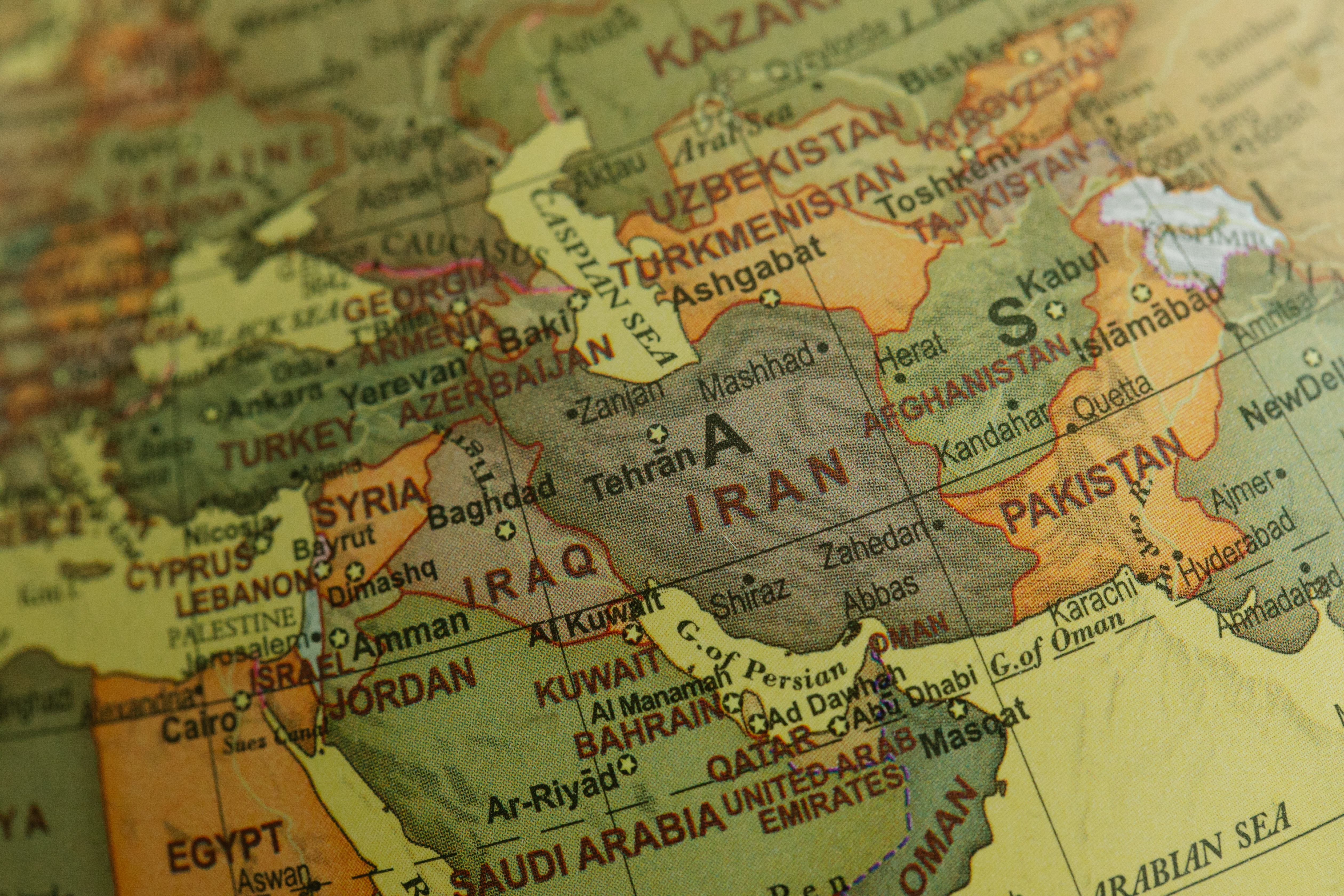
New tragedies unfold for populations of Israel's neighboring countries
(MENAFN) With each passing week, new tragedies unfold for the populations of Israel's neighboring countries as the nation's leaders continue to pursue territorial expansion through violence. While many around the globe observe Israel's actions with horror, numerous international leaders are striving to activate the collective mechanisms of the United Nations system. Established in the wake of World War II in 1945, these mechanisms—largely driven by the United States—were intended to prevent a recurrence of catastrophic events such as world wars and genocides.
In Gaza, Israel seems to have launched a "generals' plan," which aims to forcibly relocate the devastated and traumatized inhabitants of northern Gaza to the southern portion of the territory, effectively confining them within an open-air prison. This initiative involves handing over control of the northern region to private developers and settlers, who have gained significant influence in Israeli politics and society due to decades of American backing. The violence inflicted upon those unable or unwilling to move south has already begun, signifying the onset of a new cycle of devastation.
On October 21 and 22, Israeli government officials and settler leaders marched along the border, demanding that all of Gaza be transferred to their control, despite ongoing conflicts. May Golan, Israel's Minister for Social Equality, openly called for a new "Nakba" for the Palestinians, indicating a desire for mass displacement similar to historical events that led to widespread suffering.
In Lebanon, the situation is equally dire, with millions fleeing for their lives as thousands are subjected to brutal assaults that echo the early stages of genocide seen in Gaza. Israeli leaders perceive that every life lost and every structure destroyed in neighboring nations facilitates the establishment of further Israeli settlements. This ongoing strategy raises alarm bells for the citizens of Iran, Syria, Iraq, Jordan, Egypt, and Saudi Arabia, who are left to question who will be next in this relentless cycle of violence and displacement.
The deepening humanitarian crisis presents significant ethical dilemmas and challenges for the international community. The ramifications of these actions pose a serious threat to regional stability. As the plight of those affected continues to worsen, the urgency for decisive action and accountability becomes increasingly critical.
In Gaza, Israel seems to have launched a "generals' plan," which aims to forcibly relocate the devastated and traumatized inhabitants of northern Gaza to the southern portion of the territory, effectively confining them within an open-air prison. This initiative involves handing over control of the northern region to private developers and settlers, who have gained significant influence in Israeli politics and society due to decades of American backing. The violence inflicted upon those unable or unwilling to move south has already begun, signifying the onset of a new cycle of devastation.
On October 21 and 22, Israeli government officials and settler leaders marched along the border, demanding that all of Gaza be transferred to their control, despite ongoing conflicts. May Golan, Israel's Minister for Social Equality, openly called for a new "Nakba" for the Palestinians, indicating a desire for mass displacement similar to historical events that led to widespread suffering.
In Lebanon, the situation is equally dire, with millions fleeing for their lives as thousands are subjected to brutal assaults that echo the early stages of genocide seen in Gaza. Israeli leaders perceive that every life lost and every structure destroyed in neighboring nations facilitates the establishment of further Israeli settlements. This ongoing strategy raises alarm bells for the citizens of Iran, Syria, Iraq, Jordan, Egypt, and Saudi Arabia, who are left to question who will be next in this relentless cycle of violence and displacement.
The deepening humanitarian crisis presents significant ethical dilemmas and challenges for the international community. The ramifications of these actions pose a serious threat to regional stability. As the plight of those affected continues to worsen, the urgency for decisive action and accountability becomes increasingly critical.

Legal Disclaimer:
MENAFN provides the
information “as is” without warranty of any kind. We do not accept
any responsibility or liability for the accuracy, content, images,
videos, licenses, completeness, legality, or reliability of the information
contained in this article. If you have any complaints or copyright
issues related to this article, kindly contact the provider above.
Most popular stories
Market Research

More Story






Comments
No comment