




403
Sorry!!
Error! We're sorry, but the page you were looking for doesn't exist.
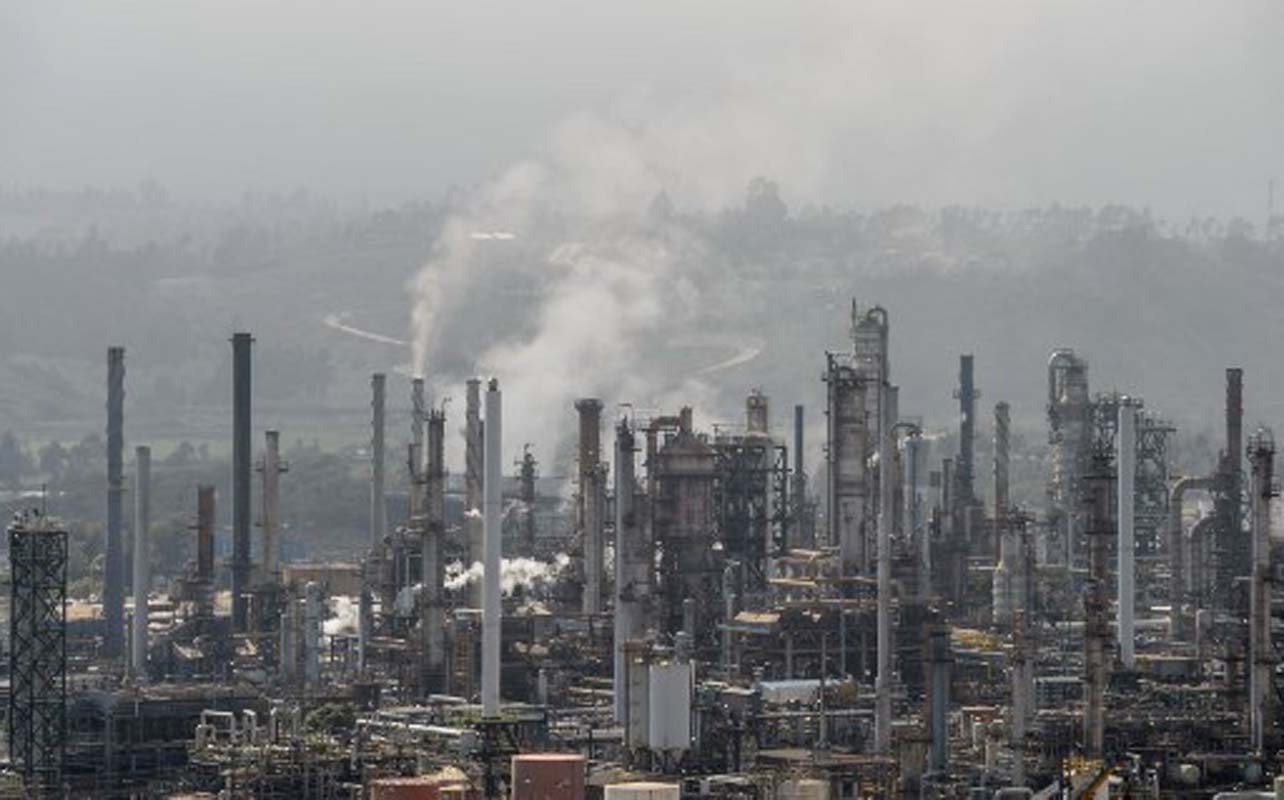
Industrial output in Germany sees annual drop of 2.7 percent in August
(MENAFN) Germany's industrial production experienced a year-on-year decline of 2.7 percent in August, according to a report released by the federal statistical office, Destatis, on Tuesday. This downturn reflects broader challenges faced by the German manufacturing sector, which has been grappling with various economic pressures. Notably, the report highlighted a more pronounced decrease in production when excluding energy and construction activities, which fell by 3.1 percent compared to the previous year. This trend raises concerns about the overall health of the industrial landscape in Germany, as key sectors struggle to regain momentum.
Interestingly, while the general industrial production figures are down, there was a notable increase of 2.2 percent in energy-intensive industrial branches for the same month. This growth indicates that certain segments of the industry may be experiencing a recovery or adapting more effectively to current economic conditions. The resilience of energy-intensive sectors could reflect shifts in demand or operational adjustments that enable them to capitalize on market opportunities despite broader economic headwinds.
On a monthly basis, Germany’s industrial production showed signs of recovery, posting a 2.9 percent increase in August compared to July. This positive movement suggests that there may be some short-term stabilization in the manufacturing sector, potentially fueled by seasonal factors or adjustments in production strategies. Furthermore, when considering production in the industrial sector, excluding energy and construction, there was a significant increase of 3.4 percent from July to August. This indicates a rebound in manufacturing activity, which could help mitigate the overall negative trends observed on a yearly basis.
Overall, the mixed signals from Germany's industrial production data underscore a complex economic landscape. While there are areas of growth, particularly in energy-intensive industries, the broader trends point to challenges that could impact future growth. Policymakers and industry leaders will need to carefully assess these dynamics to navigate the potential obstacles and harness opportunities for revitalizing the manufacturing sector in Germany.
Interestingly, while the general industrial production figures are down, there was a notable increase of 2.2 percent in energy-intensive industrial branches for the same month. This growth indicates that certain segments of the industry may be experiencing a recovery or adapting more effectively to current economic conditions. The resilience of energy-intensive sectors could reflect shifts in demand or operational adjustments that enable them to capitalize on market opportunities despite broader economic headwinds.
On a monthly basis, Germany’s industrial production showed signs of recovery, posting a 2.9 percent increase in August compared to July. This positive movement suggests that there may be some short-term stabilization in the manufacturing sector, potentially fueled by seasonal factors or adjustments in production strategies. Furthermore, when considering production in the industrial sector, excluding energy and construction, there was a significant increase of 3.4 percent from July to August. This indicates a rebound in manufacturing activity, which could help mitigate the overall negative trends observed on a yearly basis.
Overall, the mixed signals from Germany's industrial production data underscore a complex economic landscape. While there are areas of growth, particularly in energy-intensive industries, the broader trends point to challenges that could impact future growth. Policymakers and industry leaders will need to carefully assess these dynamics to navigate the potential obstacles and harness opportunities for revitalizing the manufacturing sector in Germany.

Legal Disclaimer:
MENAFN provides the
information “as is” without warranty of any kind. We do not accept
any responsibility or liability for the accuracy, content, images,
videos, licenses, completeness, legality, or reliability of the information
contained in this article. If you have any complaints or copyright
issues related to this article, kindly contact the provider above.
Most popular stories
Market Research

More Story






Comments
No comment