







403
Sorry!!
Error! We're sorry, but the page you were looking for doesn't exist.
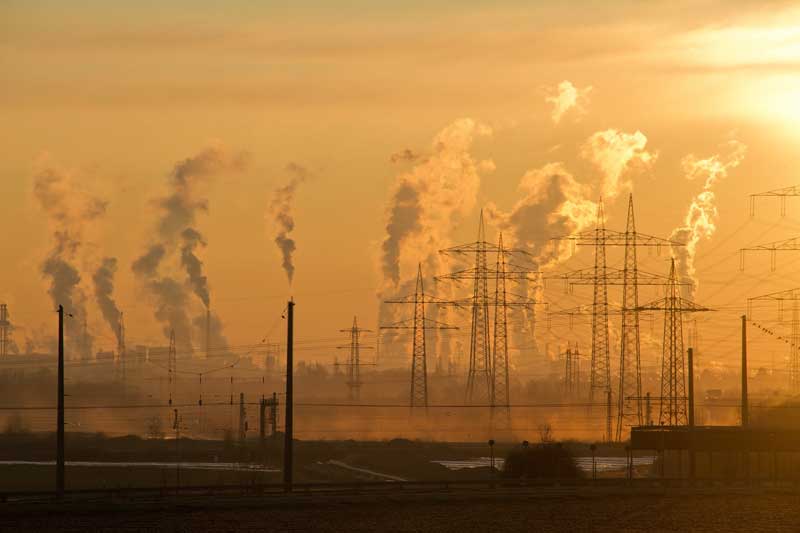
Oil rates see increase of over 2 percent on Wednesday over rising tensions in Mideast
(MENAFN) Oil prices experienced a significant increase of over 2 percent on Wednesday due to rising tensions in the Middle East, particularly concerns that Iran's largest military strike against Israel could lead to further conflict and disrupt crude oil production in the region. The international benchmark Brent crude climbed by 2.05 percent, reaching USD75.07 per barrel at 10:07 a.m. local time (0707 GMT), up from the previous session's close of USD73.56. Similarly, the U.S. benchmark West Texas Intermediate (WTI) rose by 2.23 percent to USD71.39 per barrel after ending the prior session at USD69.83.
The increase in oil prices is largely attributed to escalating regional tensions following Iran's launch of approximately 180 ballistic missiles at Israel, which is seen as a significant escalation between the two nations. The Iranian Islamic Revolutionary Guard Corps (IRGC) stated that the missile strikes were in retaliation for the assassinations of prominent leaders from Hamas and Hezbollah, as well as an IRGC commander. In response, Israeli Prime Minister Benjamin Netanyahu declared that Iran had made a "big mistake" and would face consequences.
Iranian Foreign Minister Abbas Araghchi warned that a "more severe response" would follow if Israel retaliated against the Iranian missile attacks, a statement made during discussions with counterparts from the UK, Germany, and France, as reported by the state news agency IRNA. The direct involvement of Iran, a key member of the Organization of the Petroleum Exporting Countries (OPEC), has raised concerns about potential disruptions to oil supplies. According to OPEC's latest monthly oil report, Iran produced 3.3 million barrels per day in August.
The conflict has already had devastating effects, particularly in Gaza, where the Israeli military has conducted extensive operations following a cross-border attack by Hamas on October 7, resulting in over 41,600 fatalities, primarily among women and children, and injuring more than 96,400 others. Additionally, the situation has escalated in Lebanon, with Israeli airstrikes targeting Hezbollah, leading to over 1,073 deaths and approximately 2,950 injuries since September 23, according to the Lebanese Health Ministry. The international community has expressed concerns that the ongoing Israeli attacks in Lebanon could escalate the Gaza conflict into a broader regional war.
The increase in oil prices is largely attributed to escalating regional tensions following Iran's launch of approximately 180 ballistic missiles at Israel, which is seen as a significant escalation between the two nations. The Iranian Islamic Revolutionary Guard Corps (IRGC) stated that the missile strikes were in retaliation for the assassinations of prominent leaders from Hamas and Hezbollah, as well as an IRGC commander. In response, Israeli Prime Minister Benjamin Netanyahu declared that Iran had made a "big mistake" and would face consequences.
Iranian Foreign Minister Abbas Araghchi warned that a "more severe response" would follow if Israel retaliated against the Iranian missile attacks, a statement made during discussions with counterparts from the UK, Germany, and France, as reported by the state news agency IRNA. The direct involvement of Iran, a key member of the Organization of the Petroleum Exporting Countries (OPEC), has raised concerns about potential disruptions to oil supplies. According to OPEC's latest monthly oil report, Iran produced 3.3 million barrels per day in August.
The conflict has already had devastating effects, particularly in Gaza, where the Israeli military has conducted extensive operations following a cross-border attack by Hamas on October 7, resulting in over 41,600 fatalities, primarily among women and children, and injuring more than 96,400 others. Additionally, the situation has escalated in Lebanon, with Israeli airstrikes targeting Hezbollah, leading to over 1,073 deaths and approximately 2,950 injuries since September 23, according to the Lebanese Health Ministry. The international community has expressed concerns that the ongoing Israeli attacks in Lebanon could escalate the Gaza conflict into a broader regional war.

Legal Disclaimer:
MENAFN provides the
information “as is” without warranty of any kind. We do not accept
any responsibility or liability for the accuracy, content, images,
videos, licenses, completeness, legality, or reliability of the information
contained in this article. If you have any complaints or copyright
issues related to this article, kindly contact the provider above.
Most popular stories
Market Research

More Story





Comments
No comment