




403
Sorry!!
Error! We're sorry, but the page you were looking for doesn't exist.
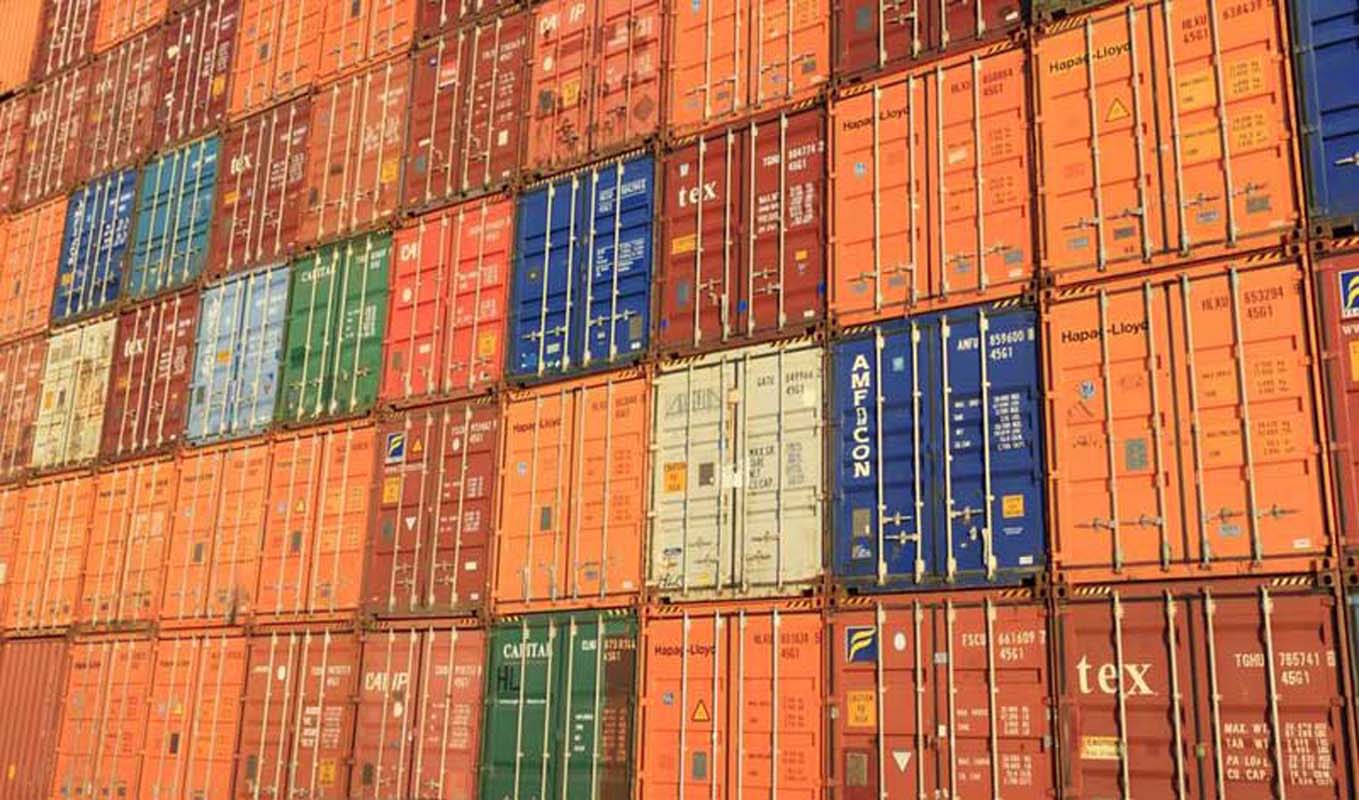
German exports fall sharply in June amid weak demand from key markets
(MENAFN) German exports experienced a significant drop in June, exceeding expectations, as demand from both the United States, Germany's primary trading partner, and other European Union countries weakened. Data released by the Federal Statistics Office on Wednesday revealed that exports of German goods fell by 3.4 percent on a monthly basis. This decline was notably steeper than the 1.5 percent decrease anticipated by analysts surveyed by Reuters, indicating a more pronounced downturn in international demand for German products.
The decline in exports has had a substantial impact on Germany's foreign trade surplus. In June, the surplus fell to 20.4 billion euros (USD22.3 billion), down from 24.9 billion euros in May. This figure was also below analysts' expectations of 23.5 billion euros, underscoring the extent of the export slump. The decrease in the trade surplus highlights the challenges faced by the German economy as it navigates through fluctuations in global demand, particularly from significant trade partners such as the United States and EU member states.
The broader implications of this decline in exports are significant for Germany's economic outlook. As one of the world's leading exporters, Germany's economic health is closely tied to its ability to sell goods internationally. The weaker-than-expected export figures suggest potential headwinds for the country's economic growth, with reduced demand from key markets possibly leading to lower production levels and a ripple effect on related sectors. This development calls for close monitoring of trade dynamics and potential policy responses to mitigate the impact on Germany's economy.
The decline in exports has had a substantial impact on Germany's foreign trade surplus. In June, the surplus fell to 20.4 billion euros (USD22.3 billion), down from 24.9 billion euros in May. This figure was also below analysts' expectations of 23.5 billion euros, underscoring the extent of the export slump. The decrease in the trade surplus highlights the challenges faced by the German economy as it navigates through fluctuations in global demand, particularly from significant trade partners such as the United States and EU member states.
The broader implications of this decline in exports are significant for Germany's economic outlook. As one of the world's leading exporters, Germany's economic health is closely tied to its ability to sell goods internationally. The weaker-than-expected export figures suggest potential headwinds for the country's economic growth, with reduced demand from key markets possibly leading to lower production levels and a ripple effect on related sectors. This development calls for close monitoring of trade dynamics and potential policy responses to mitigate the impact on Germany's economy.

Legal Disclaimer:
MENAFN provides the
information “as is” without warranty of any kind. We do not accept
any responsibility or liability for the accuracy, content, images,
videos, licenses, completeness, legality, or reliability of the information
contained in this article. If you have any complaints or copyright
issues related to this article, kindly contact the provider above.
Most popular stories
Market Research

More Story








Comments
No comment