



403
Sorry!!
Error! We're sorry, but the page you were looking for doesn't exist.
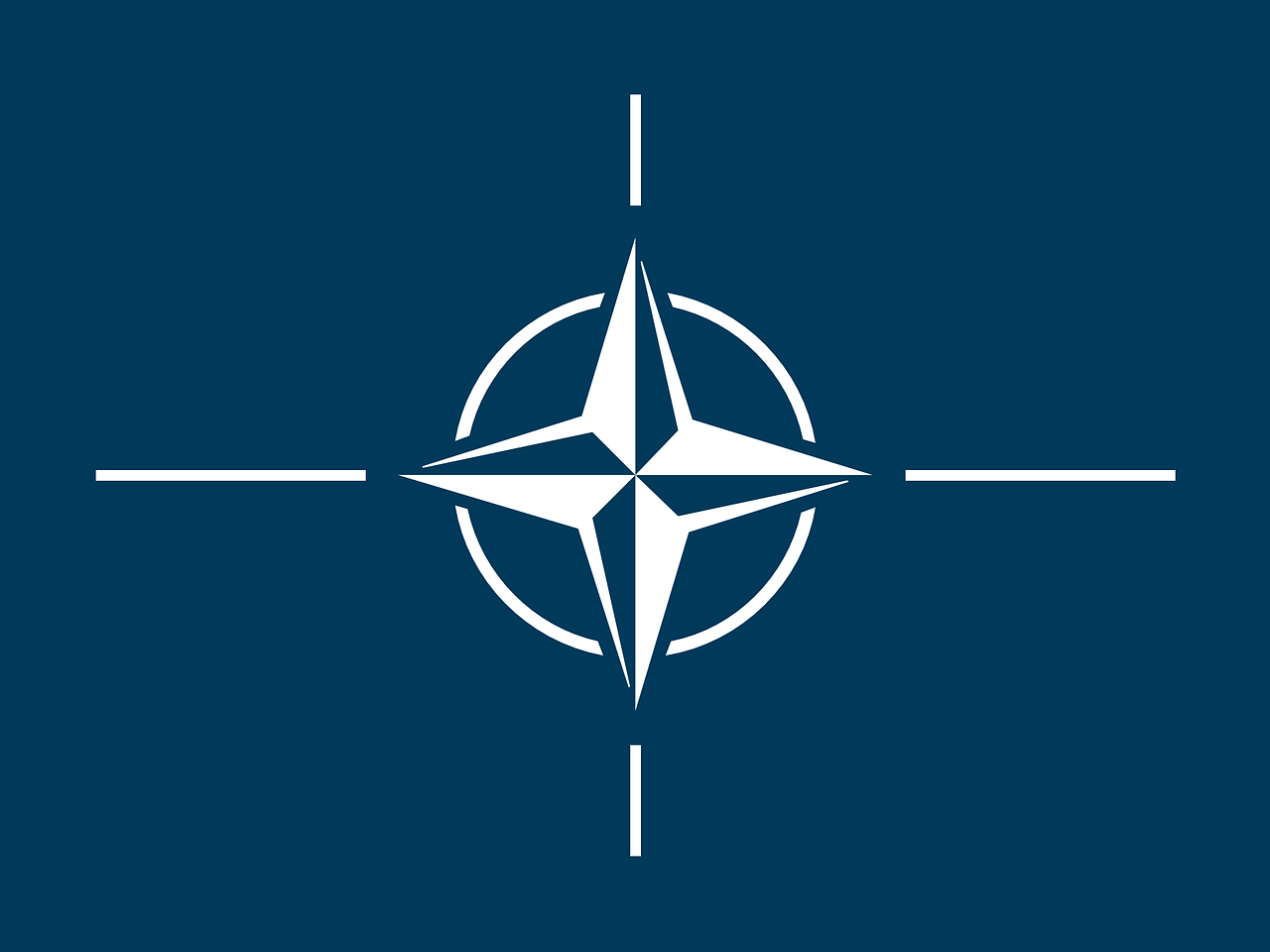
French, German Diplomats Move Serbian WWI Monument for NATO Tribute in Kosovo
(MENAFN) In a move that has sparked controversy, French and German diplomats in Kosovo, a breakaway province of Serbia, have relocated a monument honoring soldiers who perished in the Balkan wars of the early 20th century and World War I to make way for a NATO troops memorial. The decision to move the Serbian World War I monument came to light when a local Serbian Orthodox priest, Stanisa Arsic, discovered the relocation upon visiting the cemetery in Pristina over the weekend. The move was reportedly carried out at the request of the French embassy by the company managing the cemetery, according to local police.
France and Germany both recognize Kosovo as an independent state, a status not acknowledged by Serbia. The two European nations have jointly presented a proposal to Belgrade, asserting that recognition of Kosovo's independence is a prerequisite for Serbia's potential future accession to the European Union. This geopolitical backdrop adds complexity to their relations with Serbia, and the recent monument relocation incident further exacerbates tensions between the parties involved.
Serbian World War I monument in question has historical significance, honoring soldiers who lost their lives in the Balkan wars and World War I. The decision to move the monument to accommodate a NATO tribute has ignited controversy, with local Serbian authorities disavowing involvement in the relocation. The joint French-German tradition of commemorating the end of the First World War has faced challenges, particularly in 2022, with media controversies in Kosovo over the presence of a stele honoring Serbian soldiers.
In response to the public outcry, the French and German embassies in Pristina confirmed the monument's removal, citing the controversy surrounding the presence of a stele honoring Serbian soldiers. The envoys expressed that the controversy was "unworthy of the memory of all soldiers," including French, German, and Serbian soldiers who lost their lives in World War I. They emphasized the need to commemorate all fallen soldiers, including the 18 French soldiers who served in the Kosovo Force (KFOR) and died in the protection of the region's communities.
The relocation of the Serbian World War I monument for a NATO tribute in Kosovo underscores the complexities of historical narratives, geopolitical tensions, and the delicate balance of commemorations involving nations with intertwined histories. The incident prompts reflection on the challenges of navigating shared spaces and historical commemorations, raising questions about the diplomatic ramifications and potential implications for future relations between Serbia, France, Germany, and Kosovo.
As the controversy surrounding the relocation of the Serbian World War I monument unfolds, it highlights the intersection of history, diplomacy, and memorialization in the context of geopolitical tensions. The incident prompts a broader discussion on the nuanced challenges of honoring diverse historical narratives and the implications for diplomatic relations in a region marked by complex histories and unresolved conflicts.
France and Germany both recognize Kosovo as an independent state, a status not acknowledged by Serbia. The two European nations have jointly presented a proposal to Belgrade, asserting that recognition of Kosovo's independence is a prerequisite for Serbia's potential future accession to the European Union. This geopolitical backdrop adds complexity to their relations with Serbia, and the recent monument relocation incident further exacerbates tensions between the parties involved.
Serbian World War I monument in question has historical significance, honoring soldiers who lost their lives in the Balkan wars and World War I. The decision to move the monument to accommodate a NATO tribute has ignited controversy, with local Serbian authorities disavowing involvement in the relocation. The joint French-German tradition of commemorating the end of the First World War has faced challenges, particularly in 2022, with media controversies in Kosovo over the presence of a stele honoring Serbian soldiers.
In response to the public outcry, the French and German embassies in Pristina confirmed the monument's removal, citing the controversy surrounding the presence of a stele honoring Serbian soldiers. The envoys expressed that the controversy was "unworthy of the memory of all soldiers," including French, German, and Serbian soldiers who lost their lives in World War I. They emphasized the need to commemorate all fallen soldiers, including the 18 French soldiers who served in the Kosovo Force (KFOR) and died in the protection of the region's communities.
The relocation of the Serbian World War I monument for a NATO tribute in Kosovo underscores the complexities of historical narratives, geopolitical tensions, and the delicate balance of commemorations involving nations with intertwined histories. The incident prompts reflection on the challenges of navigating shared spaces and historical commemorations, raising questions about the diplomatic ramifications and potential implications for future relations between Serbia, France, Germany, and Kosovo.
As the controversy surrounding the relocation of the Serbian World War I monument unfolds, it highlights the intersection of history, diplomacy, and memorialization in the context of geopolitical tensions. The incident prompts a broader discussion on the nuanced challenges of honoring diverse historical narratives and the implications for diplomatic relations in a region marked by complex histories and unresolved conflicts.

Legal Disclaimer:
MENAFN provides the
information “as is” without warranty of any kind. We do not accept
any responsibility or liability for the accuracy, content, images,
videos, licenses, completeness, legality, or reliability of the information
contained in this article. If you have any complaints or copyright
issues related to this article, kindly contact the provider above.
Most popular stories
Market Research

More Story




Comments
No comment