(MENAFN- Asia Times) TheNavy has embarked on an ambitinew shipbuilding program to match China's fast-expanding fleet in the Pacific. Butmilitary shipbuilders will need to overcome capacity constraints, obsolete technology and increasingly outdated operational concepts to stay competitively afloat.
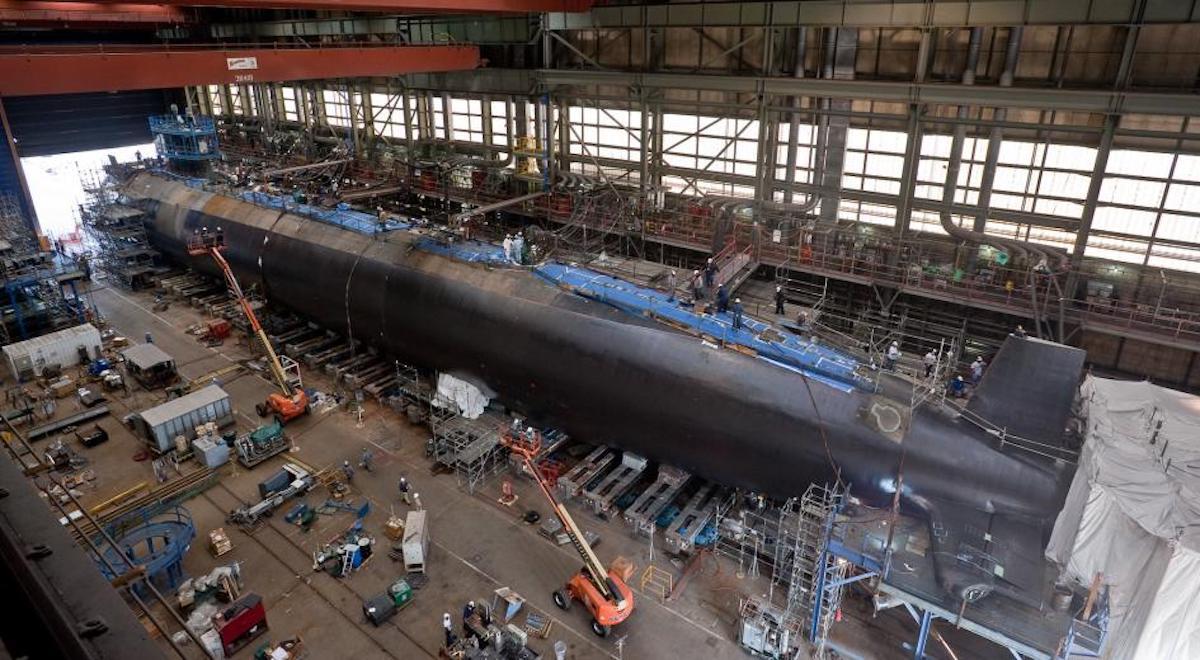
This month, The New York Times reported that theNavy's US$32 billion shipbuilding budget, its largest ever, has bankrolled the hiring of thousands of workers to assemble guided missile destroyers and amphibitransport ships at the Huntington Ingalls military shipyard on the Gulf Coast of Mississippi.
But unnamed Pentagon sources in the report expressed concerns in the report that the stream of new warships will wed theto outdated strategies while saddling theNavy with a bloated fleet it might not be able to maintain in the decades ahead.
Analysts and sources in the report argue that political and economic forces have produced jobs-driven procurement policies that yield powerful but cumbersome warships that may or may not be viable for modern warfare, particularly vis-a-vis China in the Pacific.
The New York Times report notes Congress has also balked at efforts to retire older ships that critics say provide only marginal warfighting capacity, potentially leaving the service at risk of being unable to afford essential maintenance and staffing costs in the future.
The same report also says that theNavy has failed over the years to give sufficient attention and funding to innovation, which has resulted in significant barriers to transforming its antiquated procurement system and ability to radically revamp the way it organizes its fleet.
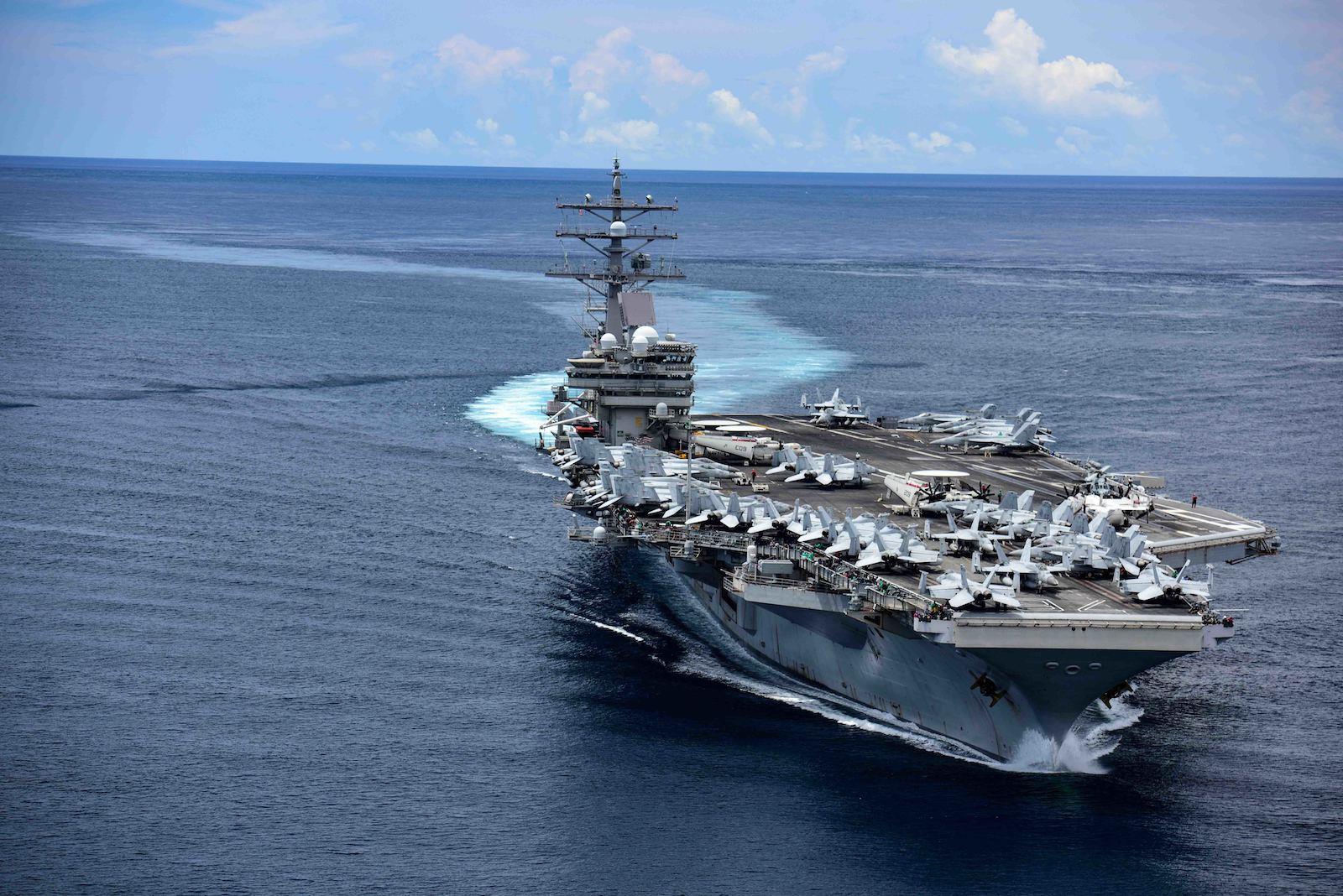
The New York Times says that the debate innaval circles remains focused on protecting and expanding traditional platforms such as guided missile destroyers, amphibiassault ships and aircraft carriers.
The report mentions that such ships are increasingly vulnerable to attack, especially in a potential conflict with China over Taiwan. The New York Times cites RAND Corporation analysts suggesting that thehas two undesirable options in such a conflict: approaching China, where many ships will be hit by Chinese missiles and damaged, or staying hundreds or thousands of kilometers away, making it harder for Navy aircraft or missiles to reach targets.


















Comments
No comment