(MENAFN- Robotics & Automation News) Sustainable Fashion: The Rise of Ethical Clothing and its Impact on the Environment
July 5, 2023 by david edwards leave a comment
In today's world, where environmental consciousness is more important than ever, sustainable fashion has risen as a significant trend. Ethical clothing, particularly wholesale used clothing, has gained popularity for its positive impact on the environment.
The Environmental Toll of Fast Fashion and the Need for Change
The fast-fashion industry has contributed to significant environmental damage, from excessive water usage to the release of toxic chemicals.
The overconsumption of cheap, disposable clothing has led to massive amounts of textile waste that ends up in landfills. The need for change is evident, and sustainable fashion provides a solution.
The Emergence of Ethical Clothing and its Principles
Ethical clothing promotes fair labor practices, transparency, and environmentally friendly manufacturing processes. By adhering to these principles, ethical clothing brands aim to minimize negative impacts on the environment and ensure the well-being of workers throughout the supply chain.
Wholesale used clothing is a key component of ethical fashion, as it prolongs the lifespan of garments and reduces the demand for new production.
The Role of Wholesale Used Clothing in Sustainable Fashion
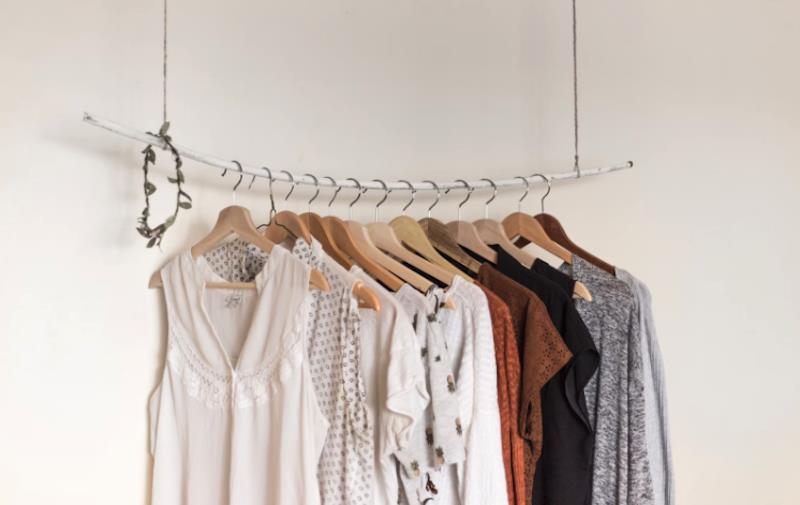
Wholesale used clothing is a driving force in sustainable fashion due to its ability to extend the life cycle of garments. By purchasing second-hand clothing, consumers actively participate in reducing textile waste and decreasing the reliance on new production.
The resale of pre-loved clothing not only helps in environmental conservation but also contributes to building a circular economy within the fashion industry.
Advantages of Wholesale Used Clothing: Variety, Affordability, and Individuality
Wholesale used clothing offers a myriad of advantages. Firstly, it brings a diverse range of styles, eras, and brands into the market, allowing individuals to express their unique fashion sense.
Secondly, purchasing second-hand clothing is often more affordable, enabling budget-conscious shoppers to participate in sustainable fashion.
Finally, wearing vintage or thrifted pieces adds a touch of individuality to one's wardrobe, promoting personal style over mass-produced fashion trends.
Consumer Empowerment and the Demand for Transparency
As consumers become more informed about the impact of their choices, there has been a growing demand for transparency within the fashion industry.
By choosing wholesale used clothing, consumers actively support ethical practices and encourage brands to be more accountable for their environmental footprints. They are actively contributing to creating a sustainable future by making mindful purchasing decisions.
Transforming Fashion
The rise of ethical clothing, particularly wholesale used clothing, is transforming the fashion industry's environmental landscape. Sustainable fashion aims to minimize waste, promote fair labor practices, and prioritize the well-being of both people and the planet.
By embracing wholesale clothing used and making conscious purchasing choices, individuals can actively engage in sustainable fashion, reducing their ecological footprint and supporting the movement towards a greener, more ethical future.
Together, we can create a fashion industry that not only looks good but also makes a positive impact on our world.












Comments
No comment