




403
Sorry!!
Error! We're sorry, but the page you were looking for doesn't exist.
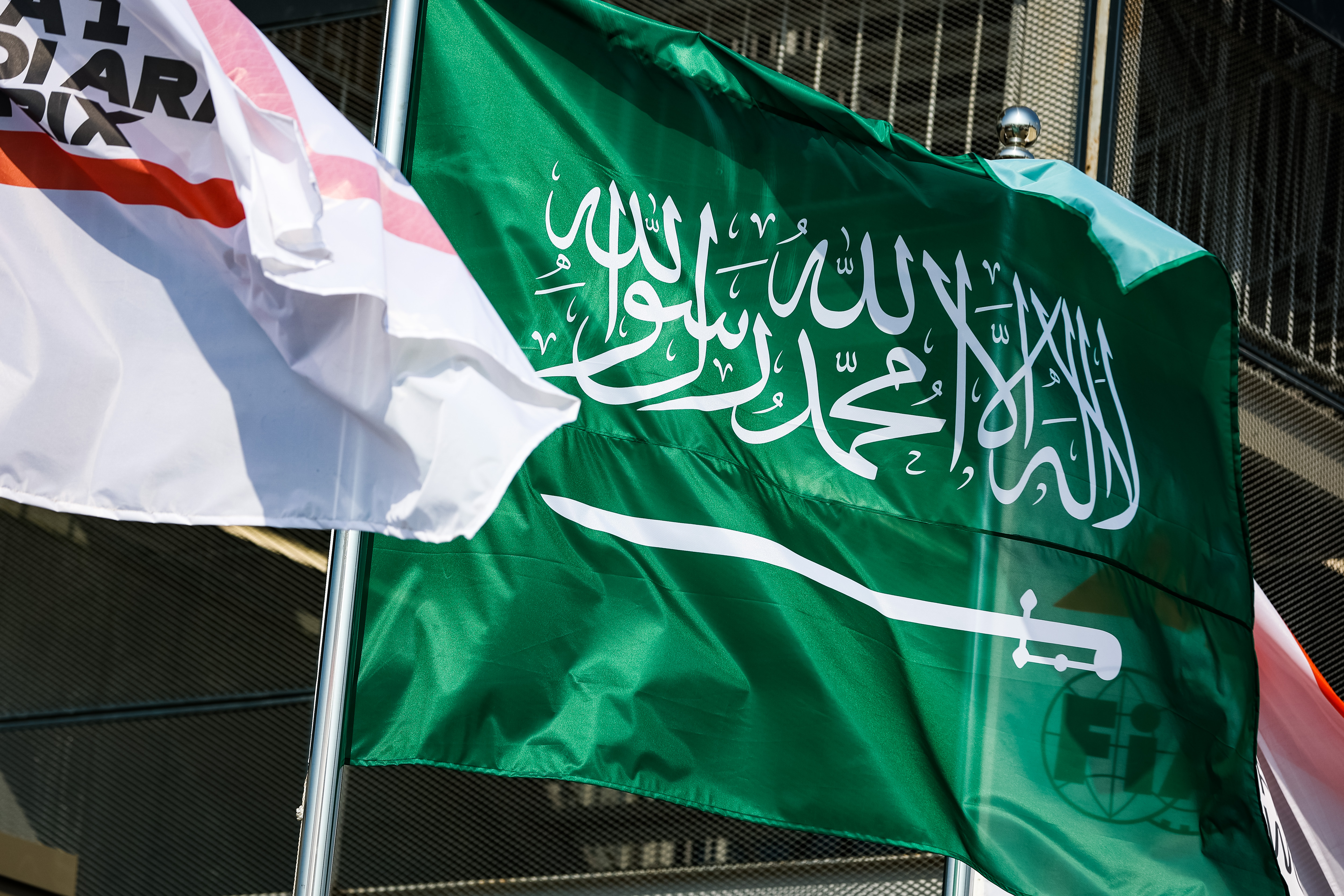
Saudi Arabia intimidates oil supply reductions as Iran agreement nears
(MENAFN) The Biden government’s emerging nuclear agreement with Iran is not sitting well with Saudi Arabia, the National Interest declared in a white paper on Wednesday.
As said by Dan Eberhart, chief executive of Canary, a Denver-based drilling-services firm, it is definitely not an accident that the Saudi’s oil-output cut warning comes as Leader Joe Biden is heading to return to a 2015 nuclear agreement with Iran, which gave restrictions relief in exchange for curbs on the nation’s nuclear program.
The original contract, on the other hand, quickly failed when then-President Donald Trump individually pulled out from it in 2018 and reimposed restrictions.
“Such an agreement would provide economic relief to Tehran and, to a lesser extent, global oil markets by unleashing about one million barrels a day of Iranian oil exports that Western sanctions have throttled. This development, along with concerns about an economic recession, rising inflation, and weaker demand, has helped drive oil prices below $100 a barrel,” Eberhart shared on Forbes.
“It's no secret that Biden wants oil prices, the main driver of inflation, to fall ahead of the midterm elections in November. The President has often pleaded with Saudi Arabia—most recently in mid-July during a visit to Riyadh—to help by adding more supply. But Saudi leaders have resisted Biden's requests. That has left Iran as the only path to increase the amount of oil in the market. Biden is taking this path, but he's now seeing the consequences,” he carried on, noting that it seems that Saudi Arabia wants an oil-price to stand at USD100 per barrel.
Eberhart further asserted that Riyadh’s recent stance “confirms that Saudi Arabia remains more aligned with Russia than the United States on the global stage.”
“Russia …needs higher oil prices because U.S. and European Union sanctions have hurt its ability to produce and export oil. Moscow must sell its barrels at a steep discount of USD30 a barrel to find willing buyers in Asia as Europe turns its back on Russian energy and Western sanctions tighten on the Russian economy,” he also shared.
“That means the recent drop in oil prices has been especially harsh on Moscow since its oil profit margins have shrunk substantially. The situation could become direr as the West discusses a price cap system for Russian oil to punish Moscow for its invasion of Ukraine. But the Saudis still see Russia as a critical member of OPEC+ group and an essential ally in the Middle East—more important than America under Biden,” Eberhart went on.
As said by Dan Eberhart, chief executive of Canary, a Denver-based drilling-services firm, it is definitely not an accident that the Saudi’s oil-output cut warning comes as Leader Joe Biden is heading to return to a 2015 nuclear agreement with Iran, which gave restrictions relief in exchange for curbs on the nation’s nuclear program.
The original contract, on the other hand, quickly failed when then-President Donald Trump individually pulled out from it in 2018 and reimposed restrictions.
“Such an agreement would provide economic relief to Tehran and, to a lesser extent, global oil markets by unleashing about one million barrels a day of Iranian oil exports that Western sanctions have throttled. This development, along with concerns about an economic recession, rising inflation, and weaker demand, has helped drive oil prices below $100 a barrel,” Eberhart shared on Forbes.
“It's no secret that Biden wants oil prices, the main driver of inflation, to fall ahead of the midterm elections in November. The President has often pleaded with Saudi Arabia—most recently in mid-July during a visit to Riyadh—to help by adding more supply. But Saudi leaders have resisted Biden's requests. That has left Iran as the only path to increase the amount of oil in the market. Biden is taking this path, but he's now seeing the consequences,” he carried on, noting that it seems that Saudi Arabia wants an oil-price to stand at USD100 per barrel.
Eberhart further asserted that Riyadh’s recent stance “confirms that Saudi Arabia remains more aligned with Russia than the United States on the global stage.”
“Russia …needs higher oil prices because U.S. and European Union sanctions have hurt its ability to produce and export oil. Moscow must sell its barrels at a steep discount of USD30 a barrel to find willing buyers in Asia as Europe turns its back on Russian energy and Western sanctions tighten on the Russian economy,” he also shared.
“That means the recent drop in oil prices has been especially harsh on Moscow since its oil profit margins have shrunk substantially. The situation could become direr as the West discusses a price cap system for Russian oil to punish Moscow for its invasion of Ukraine. But the Saudis still see Russia as a critical member of OPEC+ group and an essential ally in the Middle East—more important than America under Biden,” Eberhart went on.

Legal Disclaimer:
MENAFN provides the
information “as is” without warranty of any kind. We do not accept
any responsibility or liability for the accuracy, content, images,
videos, licenses, completeness, legality, or reliability of the information
contained in this article. If you have any complaints or copyright
issues related to this article, kindly contact the provider above.
Most popular stories
Market Research

More Story






Comments
No comment