





403
Sorry!!
Error! We're sorry, but the page you were looking for doesn't exist.
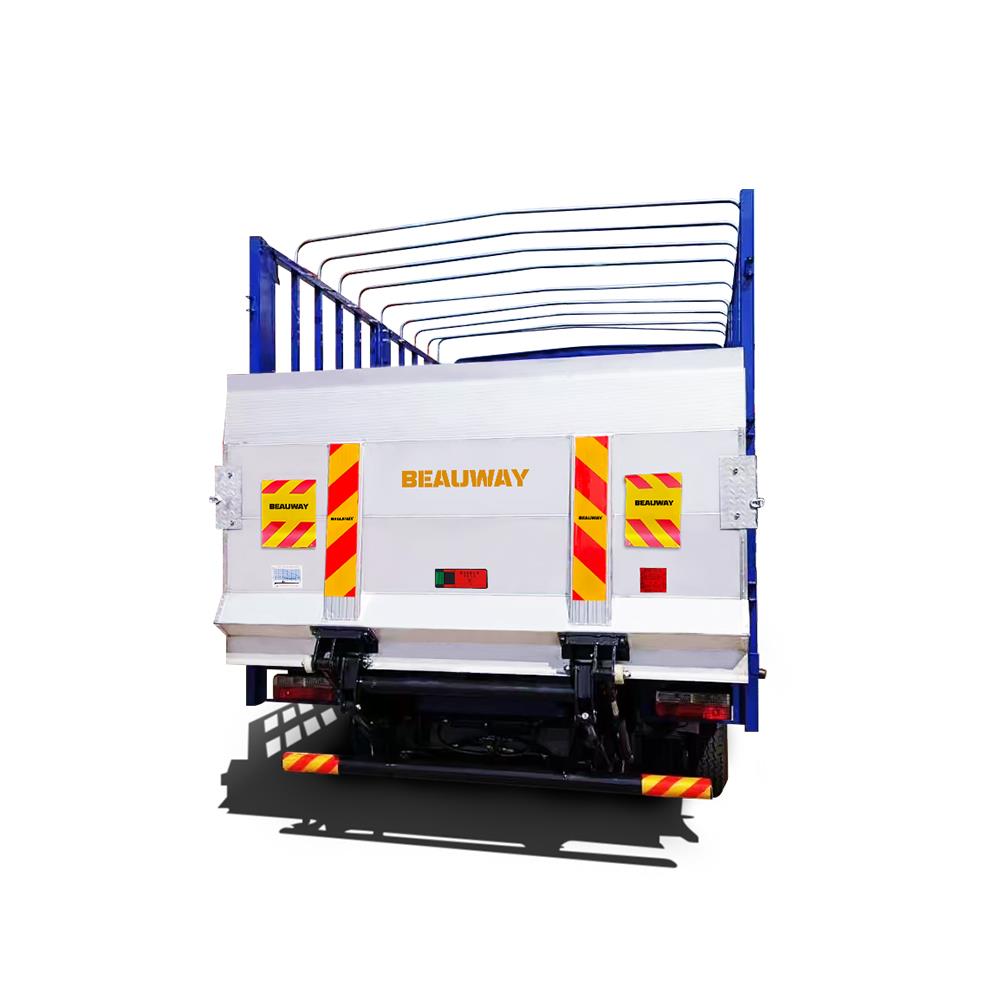
Tail Lift vs Tailgate vs Railgate: What's the Difference?
(MENAFN- Global Industrial Parts Inc.) Anyone shopping for commercial vehicle loading equipment for the first time runs into the same wall of confusing terminology. Tail lift, tailgate, railgate — people use these words almost interchangeably, but they don't all mean the same thing. Getting clear on the tail lift vs tailgate distinction (and where a railgate fits in) matters before you request a quote, because supplier catalogs and spec sheets often assume you already know which one you need.
What Is a Tail Lift?
A tail lift is a powered platform mounted at the rear of a truck or van. It raises and lowers cargo between ground level and the load bed, usually driven by a hydraulic or electric system. This is the core piece of liftgate terminology guide knowledge you need: in North America, "liftgate" and "tail lift" refer to the same equipment. In the UK and much of Europe, "tail lift" is the standard term.
A working tail lift definition looks like this: a mechanically powered platform, permanently fitted to the rear of a commercial vehicle, capable of lifting a loaded pallet or hand truck from the ground to the vehicle bed without the driver needing a forklift or loading dock.
What Is a Tailgate?
A tailgate is the simplest of the three. It's the hinged panel at the rear of a pickup truck or trailer that folds down to close off the load area. On its own, a basic tailgate has no lifting mechanism — it's a manually operated gate, not a powered platform. When someone asks about tailgate lift explained, they're usually referring to a tailgate that's been fitted with a lift assist mechanism, which is a step up from a plain tailgate but still lighter-duty than a full tail lift.
The difference between tail lift and tailgate comes down to function. A tailgate closes off the cargo area and can double as a loading ramp when lowered. A tail lift actively raises and lowers goods through hydraulic or electric power. This is where a lot of the confusion in truck tail lift terminology originates — a tailgate can technically be used to slide goods up a low incline, but it can't lift a heavy pallet to bed height the way a tail lift can.
What Is a Railgate?
This is the least familiar of the three terms to most buyers. So, what is a railgate? A railgate is a type of tail lift that operates on rails or guide tracks mounted to the sides or underside of the vehicle body, rather than swinging on a simple pivot arm. Railgates typically fold up flat against the rear doors when not in use, which keeps the rear opening clear for full access to the load area. This design is common on delivery vehicles that need frequent, high-cycle loading — beverage distribution and parcel delivery fleets use railgates often because the platform tucks away cleanly between stops.
Understanding railgate truck meaning helps explain why some suppliers list it as a separate product category rather than a subtype of tail lift, even though functionally it does the same job: powered, controlled loading and unloading.
Comparing the Three Side by Side
FeatureTailgateTail LiftRailgate
Power sourceNone (manual) or basic lift assistHydraulic or electricHydraulic, rail-guided
Load capacityLowLow to very highMedium to high
Typical vehiclePickup, trailerVan, box truck, HGVBox truck, delivery van
Common useClosing cargo area, light ramp useGeneral freight, heavy palletsHigh-cycle urban delivery
This table covers the basic types of loading platforms you'll encounter when researching commercial vehicle loading equipment terms, but it's worth noting that manufacturers don't always use these labels consistently. Some suppliers market railgates simply as a tail lift subtype, and some regions use "liftgate" as an umbrella term for all three. When in doubt, ask the supplier to describe the mechanism rather than relying on the product name alone.
Which One Do You Actually Need?
The right choice depends almost entirely on load weight, cycle frequency, and vehicle type.
If you're moving light loads occasionally, a basic tailgate — possibly with a simple lift-assist spring — may be enough.
If you're loading and unloading pallets, appliances, or heavy freight regularly, you need a true tail lift rated for your typical load weight.
If your operation involves frequent stops with full access needed to the rear doors, a railgate is often the more practical option, since it folds cleanly out of the way between uses.
Final Thoughts
The liftgate vs tailgate question comes up constantly in procurement conversations, and it's an easy one to get wrong if you're relying on marketing language instead of the actual mechanism. Before requesting a quote, confirm exactly what type of platform a supplier is describing — whether it's a simple tailgate, a standard tail lift, or a rail-guided railgate — so the equipment you receive actually matches the loading task in front of you.
What Is a Tail Lift?
A tail lift is a powered platform mounted at the rear of a truck or van. It raises and lowers cargo between ground level and the load bed, usually driven by a hydraulic or electric system. This is the core piece of liftgate terminology guide knowledge you need: in North America, "liftgate" and "tail lift" refer to the same equipment. In the UK and much of Europe, "tail lift" is the standard term.
A working tail lift definition looks like this: a mechanically powered platform, permanently fitted to the rear of a commercial vehicle, capable of lifting a loaded pallet or hand truck from the ground to the vehicle bed without the driver needing a forklift or loading dock.
What Is a Tailgate?
A tailgate is the simplest of the three. It's the hinged panel at the rear of a pickup truck or trailer that folds down to close off the load area. On its own, a basic tailgate has no lifting mechanism — it's a manually operated gate, not a powered platform. When someone asks about tailgate lift explained, they're usually referring to a tailgate that's been fitted with a lift assist mechanism, which is a step up from a plain tailgate but still lighter-duty than a full tail lift.
The difference between tail lift and tailgate comes down to function. A tailgate closes off the cargo area and can double as a loading ramp when lowered. A tail lift actively raises and lowers goods through hydraulic or electric power. This is where a lot of the confusion in truck tail lift terminology originates — a tailgate can technically be used to slide goods up a low incline, but it can't lift a heavy pallet to bed height the way a tail lift can.
What Is a Railgate?
This is the least familiar of the three terms to most buyers. So, what is a railgate? A railgate is a type of tail lift that operates on rails or guide tracks mounted to the sides or underside of the vehicle body, rather than swinging on a simple pivot arm. Railgates typically fold up flat against the rear doors when not in use, which keeps the rear opening clear for full access to the load area. This design is common on delivery vehicles that need frequent, high-cycle loading — beverage distribution and parcel delivery fleets use railgates often because the platform tucks away cleanly between stops.
Understanding railgate truck meaning helps explain why some suppliers list it as a separate product category rather than a subtype of tail lift, even though functionally it does the same job: powered, controlled loading and unloading.
Comparing the Three Side by Side
FeatureTailgateTail LiftRailgate
Power sourceNone (manual) or basic lift assistHydraulic or electricHydraulic, rail-guided
Load capacityLowLow to very highMedium to high
Typical vehiclePickup, trailerVan, box truck, HGVBox truck, delivery van
Common useClosing cargo area, light ramp useGeneral freight, heavy palletsHigh-cycle urban delivery
This table covers the basic types of loading platforms you'll encounter when researching commercial vehicle loading equipment terms, but it's worth noting that manufacturers don't always use these labels consistently. Some suppliers market railgates simply as a tail lift subtype, and some regions use "liftgate" as an umbrella term for all three. When in doubt, ask the supplier to describe the mechanism rather than relying on the product name alone.
Which One Do You Actually Need?
The right choice depends almost entirely on load weight, cycle frequency, and vehicle type.
If you're moving light loads occasionally, a basic tailgate — possibly with a simple lift-assist spring — may be enough.
If you're loading and unloading pallets, appliances, or heavy freight regularly, you need a true tail lift rated for your typical load weight.
If your operation involves frequent stops with full access needed to the rear doors, a railgate is often the more practical option, since it folds cleanly out of the way between uses.
Final Thoughts
The liftgate vs tailgate question comes up constantly in procurement conversations, and it's an easy one to get wrong if you're relying on marketing language instead of the actual mechanism. Before requesting a quote, confirm exactly what type of platform a supplier is describing — whether it's a simple tailgate, a standard tail lift, or a rail-guided railgate — so the equipment you receive actually matches the loading task in front of you.
إخلاء المسؤولية القانونية:
تعمل شركة "شبكة الشرق الأوسط
وشمال أفريقيا للخدمات المالية" على توفير المعلومات "كما هي" دون أي
تعهدات أو ضمانات... سواء صريحة أو ضمنية.إذ أن هذا يعد إخلاء لمسؤوليتنا
من ممارسات الخصوصية أو المحتوى الخاص بالمواقع المرفقة ضمن شبكتنا بما
يشمل الصور ومقاطع الفيديو. لأية استفسارات تتعلق باستخدام وإعادة استخدام
مصدر المعلومات هذه يرجى التواصل مع مزود المقال المذكور أعلاه.
الأخبار الأكثر تداولاً
آخر الأخبار











Comments
No comment