







403
Sorry!!
Error! We're sorry, but the page you were looking for doesn't exist.
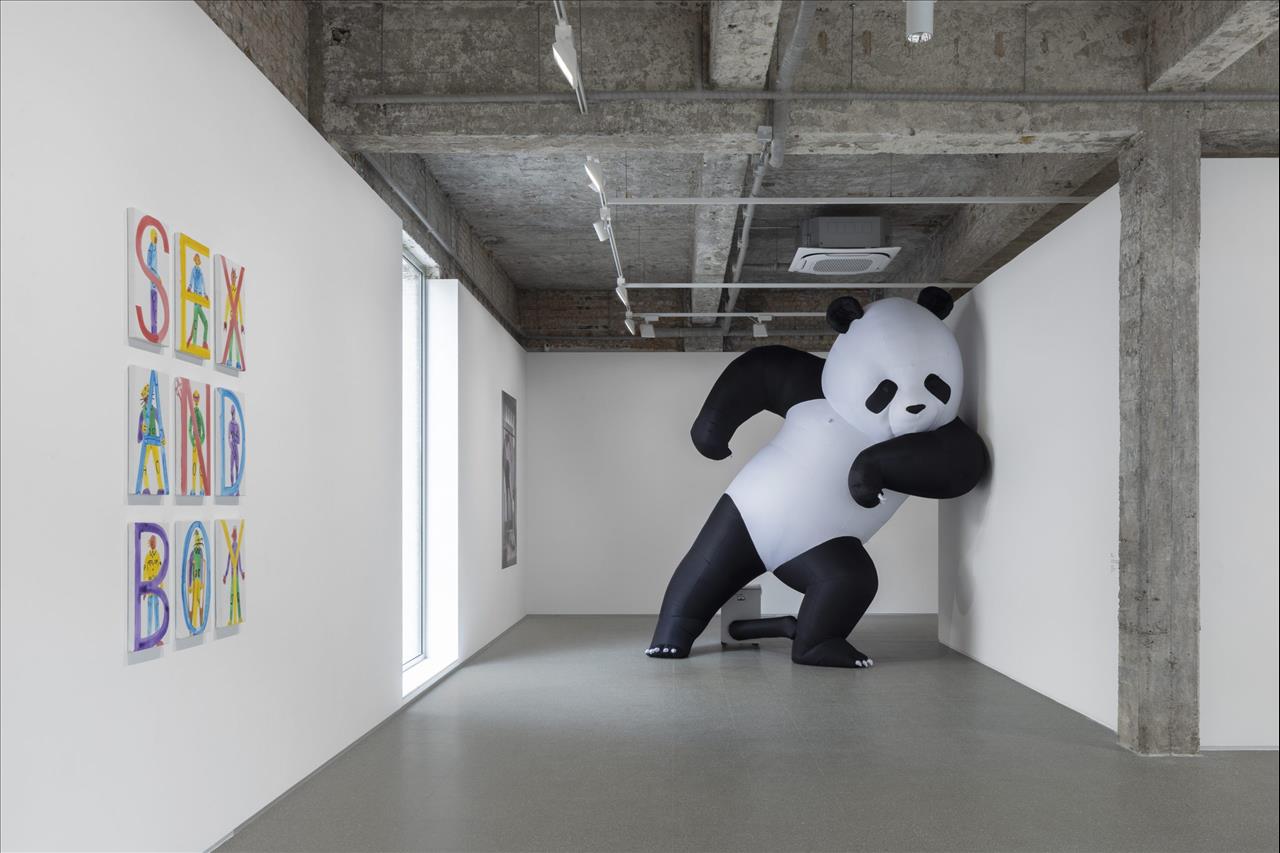
4 Must-See Shows At Gallery Weekend Beijing
(MENAFN- USA Art News)
Beijing's 798 Art District is no longer the art utopia it once imagined itself to be. Dessert counters, bubble tea chains, cafés, concept stores, and a Pop Mart gallery now line the neighborhood's main streets. Yet the 10th annual Gallery Weekend Beijing suggests that the district's commercial turn has not emptied it of artistic force. If anything, the city's scene feels more concentrated, more local, and more difficult to ignore.
That tension between commercialization and vitality runs through Beijing's contemporary art world. The capital remains home to a dense network of galleries, nonprofit institutions, art academies, curators, critics, and collectors, even as other Chinese art centers - especially Shanghai and the Greater Bay Area - draw increasing attention. Beijing has never been polished in the way some global art capitals are polished. Its appeal lies elsewhere: in the density of its relationships, the speed of its exchanges, and the sense that collectors and curators are still actively shaping the field rather than merely supporting it from a distance.
At this year's Gallery Weekend Beijing, that role was visible in projects such as Tian Jun's exhibition design for Ouyang Chun's“Nirvana” with White Space, as well as actress and patron Zhu Zhu's co-curation of an outdoor sculpture program. Veteran galleries including Hive Center for Contemporary Art and Tang Contemporary Art also continued to mount exhibitions and projects at a brisk pace, serving as important points of discovery for younger artists.
What stood out most across the event's three tightly packed days was the work of a younger generation moving fluidly between sculpture, installation, sound, digital imagery, and participatory environments. Their concerns were often intimate rather than declarative: technological anxiety, bodily perception, emotional residue, consumption, and the unstable relationship between people and material things.
Among the most closely watched presentations was“A User Guide” by Beijing-based artist Tian Jianxin (b. 1994) at Capsule Shanghai, on view through May 31 in the Visiting Sector at Gallery Weekend Beijing. Tian's sculptures draw on found household objects - rice cooker pots, Jeep hoods, enamel mugs, and safety helmets - and recast them with a quiet, unsettling charge. The materials are familiar, but their new arrangements suggest a world in which utility, memory, and identity have become difficult to separate.
That is part of what made this year's Gallery Weekend Beijing feel so revealing. In a district that has become more commercial than utopian, the city's art scene still finds ways to register pressure, adaptation, and invention at once.

Legal Disclaimer:
MENAFN provides the
information “as is” without warranty of any kind. We do not accept
any responsibility or liability for the accuracy, content, images,
videos, licenses, completeness, legality, or reliability of the information
contained in this article. If you have any complaints or copyright
issues related to this article, kindly contact the provider above.
Most popular stories
Market Research

More Story




Comments
No comment