




403
Sorry!!
Error! We're sorry, but the page you were looking for doesn't exist.
FX Daily: RBNZ Joins The Hawks
(MENAFN- ING)
USD: Hawkish tide
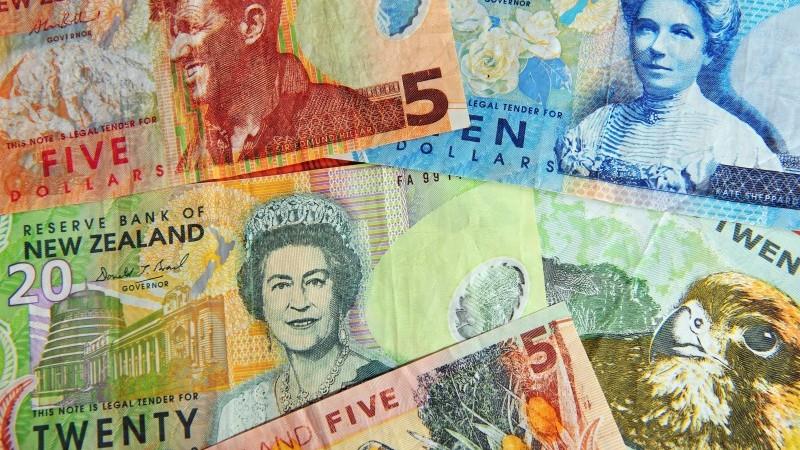
In quiet markets, focus in the G10 FX space has switched to New Zealand. The previously dovish RBNZ came very close to a rate hike last night, with a split 3-3 vote being decided in favour of a hold by the governor Anna Breman. In his RBNZ preview, Francesco Pesole had warned about the hawkish risks, including an upward revision to the forecast path for the policy rate. In the end, the upward revisions were even more aggressive than market pricing. Instead of gradually taking the policy rate to 3.00% by the end of 2028 as outlined in the February projections, the RBNZ now sees the policy rate at 3.00% in early 2027 and a terminal rate now at 3.25%. In response, the bond market bear-flattened and NZD/USD rose 0.7%.
We mention the RBNZ here because we have seen a previously dovish central bank, faced with an economy operating with a negative output gap, prepared to hike rates sooner and more aggressively than previously. True, the current 2.25% policy rate is seen as accommodative. But the fact that the RBNZ currently sees CPI heading back to 2% next summer (after spiking to 4.3% later this year) serves as a reminder that even the doves are taking no chances with this energy shock.
That brings us to the Fed. Barring a dramatic collapse in the AI build-out story, it looks as though we could be moving into a hawkish phase. Tomorrow will see the release of the April PCE price data, where inflation will be moving further away from the Fed's 2.0% target. And the build-up to the June FOMC will see increasing focus on the need for the Fed to remove its implicit easing bias. At 10CET today we will hear from Dallas Fed President Lorie Logan, one of the three hawkish dissenters at the April FOMC meeting. We suspect this environment can keep the dollar supported into the June FOMC meeting – although the wild card will be what new Fed Chair Kevin Warsh makes of all of this. We doubt he can sound too dovish too early in his tenure for risk of destabilising the long end of the bond market.
The above also has implications for the yen. Until the Bank of Japan starts to sound hawkish and dangle the prospect of leaving its very negative real interest rate setting behind, the yen looks set to remain offered.
Beyond the Lorie Logan remarks this morning, the only other notable US input today is the weekly ADP jobs release. This moved to a new cycle high of +42k last week and another strong number again today will confirm that the Fed can be comfortable with its full employment mandate while focusing squarely on inflation risks.
Expect DXY to remain supported in a 99.00-99.50 range.
Chris Turner
EUR: Trading on the soft sideEUR/USD remains sluggish despite the world seemingly being days away from the US and Iran signing a Memorandum of Understanding to extend the ceasefire and reopen the Strait of Hormuz. Notably, the euro failed to get much of a lift yesterday from ECB speakers Philip Lane and Isabel Schnabel, firming up views for a 25bp rate hike on 11 June.
We think the hawkish Fed story will be the more dominant theme over the next few weeks and struggle to see EUR/USD sustaining gains over the 1.1650/60 area in the current environment. The eurozone data calendar is exceptionally light today.
Chris Turner
HUF: The door opens to changeThe National Bank of Hungary held the base rate at 6.25% today, matching expectations. Although we were confident in our prediction this time, we have many questions going into the June rate-setting meeting. The neutral tone at the start of the NBH press conference gave way to a more dovish conclusion during the Q&A, following revelations that a rate cut had been discussed at the meeting and that there were dissenting votes. Although a rate cut for June was already fully priced in before the meeting, there was a risk the NBH could push back against these expectations. Yesterday's meeting rather confirmed the market pricing for June and gives the green light for pricing more rate cuts over the course of the year. After the meeting, the market prices the terminal rate somewhere around 5.25% if we assume a return of the BUBOR premium to positive numbers, implying 100bp of easing from the current 6.25%.
In our view, a persistent easing of risks, stabilisation of the forint, and yields at a favourable level could lead to a 25bp interest rate cut in June, followed by one or two further cuts. Although the market has room to price in more cuts at the front of the curve, we do not think the June rate cut alone will pose much of a threat to the forint and we remain bullish on FX despite the dovish turn. On top of the NBH story, the EU funds story also continues and we should see more details this Thursday. EUR/HUF has stabilised somewhat in recent weeks and NBH rate cuts, together with heavy long positioning, are a drag on further forint appreciation. However, this should not derail the trend, with 350 EUR/HUF for mid-year in our forecast.
Frantisek Taborsky
UZS: Restart of gold exports to further reinforce the soumAccording to Bloomberg, Uzbekistan resumed gold exports in April after a six-month hiatus, with non-monetary gold exports reaching around $1.5bn. Based on market prices, this implies around nine tonnes of gold exports last month.
During the September-March export pause, the central bank – the sole domestic buyer and exporter of gold – accumulated around 45 tonnes, broadly in line with the country's historical annual production capacity of 80-120 tonnes. Tactical pauses and restarts in gold exports are common for Uzbekistan and usually reflect market pricing and expectations. However, the latest six-month pause was much longer than the usual one of two months. This helps explain why Uzbekistan's current account deficit widened to $7.2bn despite last year's gold price rally, and why UZS appreciation against the dollar stalled in 4Q25-1Q26 after a 6% rally in the first nine months of 2025. At a normal export pace of around 100 tonnes per year, Uzbekistan's annual gold export proceeds amount to roughly $3.5bn for every $1,000/oz in the gold price, according to our calculations.
Given our 2026F house view for gold to average $4,855/oz, or 42% YoY, the long-awaited restart of gold sales should support FX inflows and is consistent with our constructive medium-term view on the soum. This also fits our broader view that Uzbekistan remains one of the more resilient CIS stories in the current external environment.
Dmitry Dolgin

Legal Disclaimer:
MENAFN provides the
information “as is” without warranty of any kind. We do not accept
any responsibility or liability for the accuracy, content, images,
videos, licenses, completeness, legality, or reliability of the information
contained in this article. If you have any complaints or copyright
issues related to this article, kindly contact the provider above.
Most popular stories
Market Research

More Story







Comments
No comment