




403
Sorry!!
Error! We're sorry, but the page you were looking for doesn't exist.
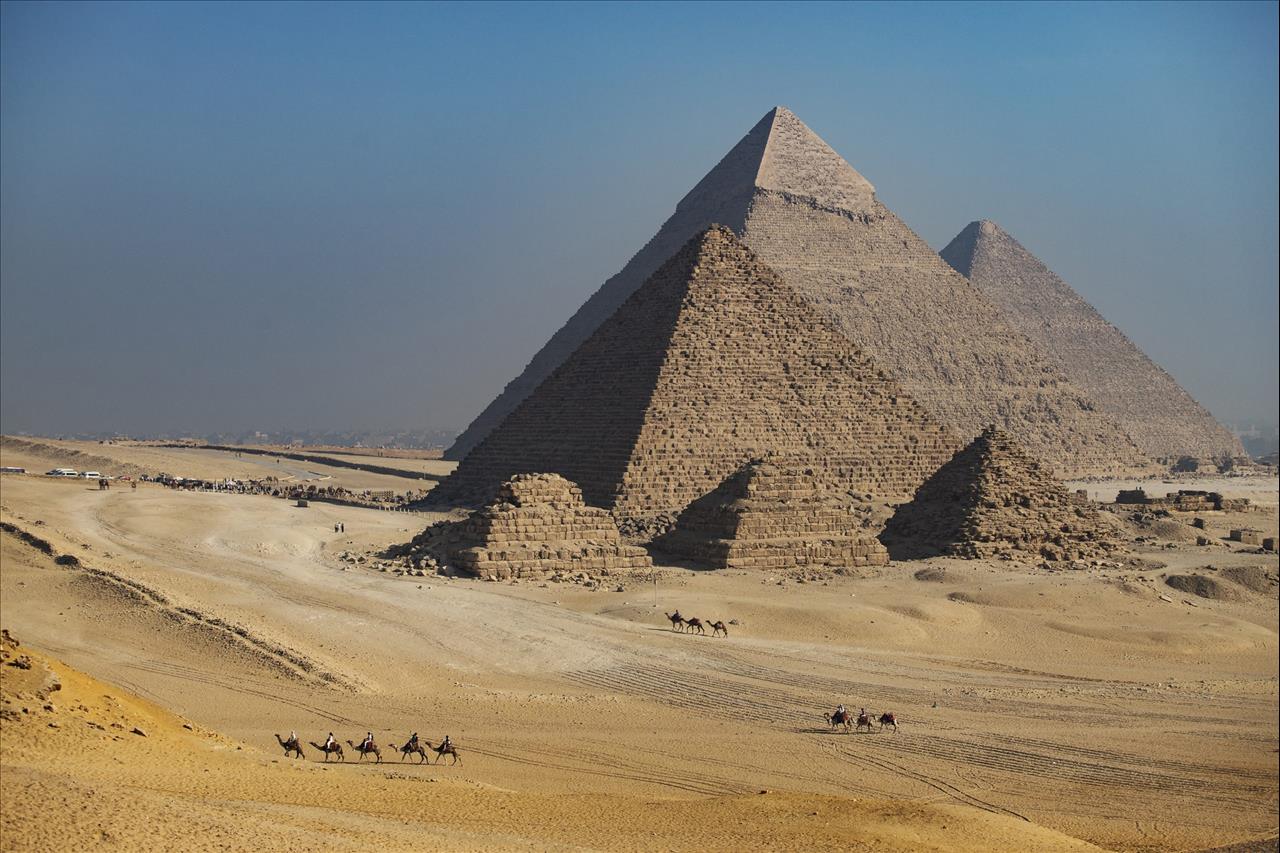
How The Great Pyramid Of Giza Has Withstood Millennia Of Earthquakes
(MENAFN- USA Art News)
Great Pyramid of Giza Study Points to Ancient Earthquake Engineering
The Great Pyramid of Giza may be more than a monument to royal power. A new study suggests it was also built with an unusually sophisticated understanding of stability, one that helped it withstand centuries of seismic activity in Egypt.
Researchers measured natural vibrations at 37 locations inside and around the pyramid, including its exterior stones, interior chambers, and the surrounding soil. The results, published in Scientific Reports in May, showed that vibrations within the structure were remarkably consistent, ranging from 2.0 to 2.6 hertz. The team described that pattern as“exceptional homogeneity,” arguing that it allows earthquake stress to spread evenly through the monument rather than concentrating in one area.
The surrounding ground told a different story. Soil near the pyramid averaged 0.6 hertz, creating a frequency mismatch that may help prevent seismic energy from amplifying as it moves from the earth into the building. In practical terms, the ground appears to act as a natural buffer.
The study also highlights the pyramid's construction on hard limestone, which the researchers say likely improved its earthquake resistance. That choice of site may have been as important as the structure itself. Ancient builders were not working with modern seismic models, yet the evidence suggests they understood something fundamental about bedrock, load, and stability.
Another protective feature lies inside the monument. Five rooms built above the King's Chamber, known as weight-relief chambers, were originally designed to protect the sacred space from the immense pressure of the stone blocks above it. In seismic terms, the researchers say, they may function like built-in shock absorbers, reducing the vibrations that reach the chamber below.
The pyramid's bottom-heavy, symmetrical form adds a final layer of resilience. Its shape helps distribute weight and stress evenly, limiting the kind of structural imbalance that can worsen damage during an earthquake.
The Great Pyramid has survived about a dozen major earthquakes over 4,600 years, though the 1992 Cairo earthquake did dislodge some casing stones from its upper reaches. It has also lost around 30 feet in height since it was completed. Even so, the new findings offer quantitative support for a long-held suspicion: that ancient Egyptian architecture was not only monumental, but deeply attuned to the ground beneath it.

Legal Disclaimer:
MENAFN provides the
information “as is” without warranty of any kind. We do not accept
any responsibility or liability for the accuracy, content, images,
videos, licenses, completeness, legality, or reliability of the information
contained in this article. If you have any complaints or copyright
issues related to this article, kindly contact the provider above.
Most popular stories
Market Research

More Story








Comments
No comment