




403
Sorry!!
Error! We're sorry, but the page you were looking for doesn't exist.
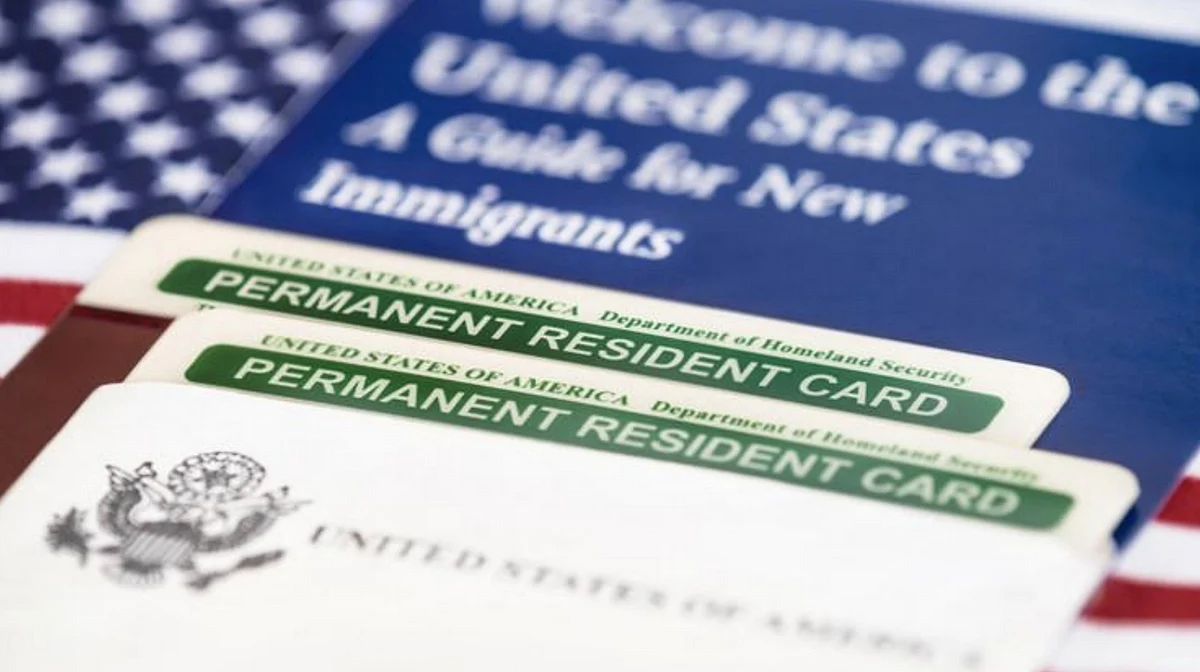
Explained: How To Navigate Abrupt Changes To US Green Card Process
(MENAFN- Khaleej Times) The US Citizenship and Immigration Services (USCIS) recently announced a new policy directing foreigners, who are seeking to adjust their immigration status and secure a green card, to leave the US and apply at an American mission in their home country – except when 'extraordinary relief' is warranted.
Anxiety is swirling among immigrant communities right now, a Dubai-based US immigration attorney told Khaleej Times, noting this“quiet but consequential announcement from USCIS landed like a stone in still water.”
Recommended For You UAE's Eid Al Adha 2026 prayer timings: What you need to know“Imagine spending years building a life in the US – the apartment, the job; kids enrolled in school; routines and relationships that quietly become home,” said Shai Zamanian, legal director at The American Legal Center and a specialist in EB-5 investor visas.“Then imagine being told you might have to fly back to your home country, sit across from a government official at an embassy, and essentially ask permission to return to the life you already built.”
Stay up to date with the latest news. Follow KT on WhatsApp Channels.
The apprehension is palpable. The green card waiting game just got even harder. So, is it time for the immigrants to pack their bags and return home?
"Don't panic, but do pay attention,” Zamanian advised, and he explained below why.
First, what is the rationale behind the abrupt procedural change?The USCIS is applying long-standing law and prior court decisions to require certain aliens with temporary visas who decide they want to permanently reside in the US to return to their home countries to apply for permanent visas through the US Department of State.
“Non-immigrants, like students, temporary workers, or people on tourist visas, come to the US for a short time and for a specific purpose. Our system is designed for them to leave when their visit is over. Their visit should not function as the first step in the green card process,” said USCIS spokesman Zach Kahler.
He added:“We're returning to the original intent of the law to ensure aliens navigate our nation's immigration system properly. An alien who is in the US temporarily and wants a green card must return to their home country to apply, except in extraordinary circumstances.
This policy allows our immigration system to function as the law intended instead of incentivizing loopholes. When aliens apply from their home country, it reduces the need to find and remove those who decide to slip into the shadows and remain in the US illegally after being denied residency”.
USCIS underscored:“Following the law allows the majority of these cases to be handled by the State Department at US consular offices abroad and frees up limited USCIS resources to focus on processing other cases that fall under its purview, including visas for victims of violent crime and human trafficking, naturalization applications, and other priorities.”
USCIS will grant 'adjustment of status' only in extraordinary circumstances, what does it mean?Zamanian explained:“For decades, adjustment of status has been a cornerstone of the American immigration experience. A student from Riyadh finishes her master's degree and lands a job at a New York consultancy. An engineer from Dubai gets sponsored by his Silicon Valley employer. A young professional from Cairo marries his American partner. Under the old normal, these people could apply for permanent residency right in the US, with no need to disrupt their lives, no long-haul flights back home, and no queues at embassies in cities they may have left behind years ago.
The alternative, known as consular processing, means leaving the country and going through a US embassy or consulate abroad. It is slower, less predictable, and for some people, genuinely complicated. Business ties back home can't always be managed remotely. Families can't always be uprooted on short notice. And for those who have built careers, investments, and routines stateside, an unexpected departure is far more than a minor inconvenience.”
The Trump administration's thinking, however, runs in the opposite direction. Foreign embassies, the argument goes, are better positioned to scrutinize applicants on the ground.
They can dig deeper, spot red flags, and pump the brakes on cases that might otherwise slip through. Keeping interviews inside the US, critics in Washington argue, makes the process too convenient and perhaps too easy.”
What does the memo actually say (and does not say)Here's where things get complicated, and where a lot of the alarm may be outrunning the reality, at least for now. Zamanian noted:“The new USCIS memo does not eliminate adjustment of status. It does not change who is legally eligible to apply. What it does is remind immigration officers that approvals are ultimately discretionary and signal that meeting the technical requirements is no longer a near-guarantee of approval.”
This means, officers are now being instructed to weigh the "totality of circumstances", such as immigration history, compliance with visa conditions, moral character, and family ties. Answers are needed to questions like 'Did you overstay a visa? Violate the terms of your admission?'
“Those details, once perhaps treated as footnotes, could now become chapter headings,” Zamanian continued.
Notably, however, the memo does clarify one thing in applicants' favor, meaning: Simply holding a dual intent visa, a category that legally allows someone to pursue permanent residency while on a temporary visa, is not itself a strike against them.
What must be done?"Don't panic, but do pay attention,” Zamanian reiterated, assuring for the thousands of Gulf-based professionals, students, and investors watching this story unfold from their American offices and university dormitories, the message from immigration attorneys is consistent: Stay calm, but stay alert.
“This is particularly relevant in the UAE and GCC, where American education and investment have long been treated as a natural next step for ambitious families. Sending a son or daughter to study in Boston or Houston, or channeling capital into a US business through an EB-5 investor visa, often comes with an unspoken assumption that the path to permanent residency would remain open and orderly,” Zamanian assured.
Bottomline is exercise caution before drawing sweeping conclusions. Zamanian told Khaleej Times:“Policy announcements like this one frequently get revised, clarified, or challenged in court before they ever become the lived reality for applicants.
"If this policy is strictly implemented, there will be tens of thousands of individuals currently in the US that would be immediately affected. If so, this would certainly trigger the federal courts to intervene. In other words, the lawyers are already sharpening their pencils. Federal lawsuits challenging aggressive immigration policies have become something of a ritual in recent years, and this memo seems tailor-made to attract them,” he continued.
'Plan carefully and stay compliant'For GCC families who think in terms of generational strategy, the idea that a carefully laid immigration plan could be disrupted by a policy memo is deeply uncomfortable.
Zamanian, however, noted:“USCIS has itself hinted that more category-specific guidance is coming, meaning the rules could look different for students versus investors versus family members in the months ahead.
“For now, the most practical advice may be the oldest advice in any good family's playbook: plan carefully, stay compliant, and keep a trusted lawyer on speed dial,” he added, underscoring:“The green card may still be attainable. It just might require a little more extraordinary effort to get there.”
ALSO READ- Foreigners seeking US green cards now have to return to home countries to apply Marco Rubio says new US immigration rules not aimed at India, despite green card fears

Legal Disclaimer:
MENAFN provides the
information “as is” without warranty of any kind. We do not accept
any responsibility or liability for the accuracy, content, images,
videos, licenses, completeness, legality, or reliability of the information
contained in this article. If you have any complaints or copyright
issues related to this article, kindly contact the provider above.
Most popular stories
Market Research

More Story







Comments
No comment