




403
Sorry!!
Error! We're sorry, but the page you were looking for doesn't exist.
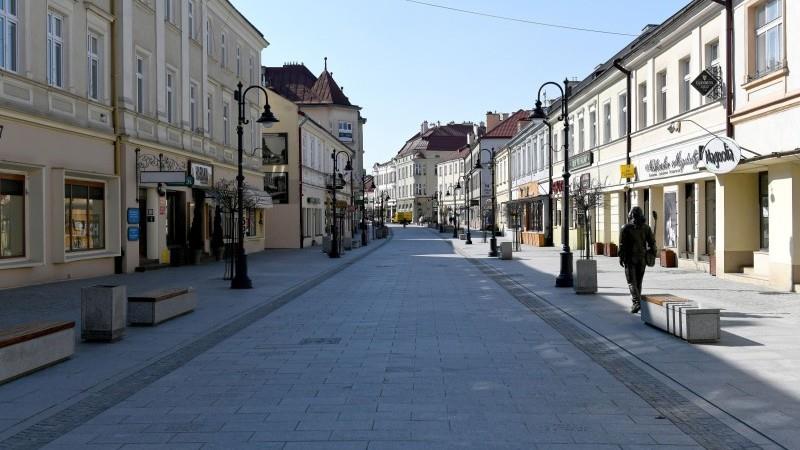
Polish Consumer Spending To Slow As Caution Rises
(MENAFN- ING)
In Poland, retail sales of goods increased by 1.3% year-on-year in April (ING: 2.8%; consensus: 3.0%), following an 8.7% YoY rise in March. Seasonally adjusted data points to a 2.8% month-on-month decline in sales. The implied retail sales deflator rose to 1.5% YoY in April from 1.0% YoY in March.
The strongest sales growth was recorded in fuels (+25.6% YoY), and high prices clearly did not deter purchases, indicating rigid demand and low price elasticity in this category of spending. Pharmaceutical sales also grew strongly (9.1% YoY), although this was broadly in line with the previous month (10.1% YoY). As expected, food and beverage sales declined (-5.8% YoY) as some Easter spending shifted to March.
More concerning is the marked weakening in demand for durable goods. Growth in sales of furniture, consumer electronics and household appliances slowed to 1.0% YoY from 7.9% YoY in March, while car sales growth decelerated to 0.8% YoY from 7.7% YoY. Declines were recorded in clothing and footwear (-9.5% YoY, after +13.6% YoY in March) and in newspapers and books (-5.9% YoY, after +1.1% YoY a month earlier).
Retail sales slow as consumers become more waryReal retail sales and wages, %YoY
Source: GUS, ING.">The main reason for the slowdown in retail sales growth was the timing of Easter spending. In 2025, Easter fell in the middle of the month, so most spending (especially on food) occurred in April. In 2026, Easter was at the beginning of the month (5 April), meaning a significant share of holiday spending had already taken place by the end of March.
Consumers were clearly more cautious in April when purchasing durable goods. The prolonged conflict in the Middle East and persistently high fuel prices are raising concerns about future inflation and a deterioration in the economic outlook. Elevated uncertainty may be translating into greater caution among households when making larger purchases. We expect private consumption growth in the second quarter of 2026 to be lower than in the first quarter (around 3% vs. 4%). Nevertheless, household consumption remains the main driver of growth in the Polish economy in 2026.

Legal Disclaimer:
MENAFN provides the
information “as is” without warranty of any kind. We do not accept
any responsibility or liability for the accuracy, content, images,
videos, licenses, completeness, legality, or reliability of the information
contained in this article. If you have any complaints or copyright
issues related to this article, kindly contact the provider above.
Most popular stories
Market Research

More Story






Comments
No comment