




403
Sorry!!
Error! We're sorry, but the page you were looking for doesn't exist.
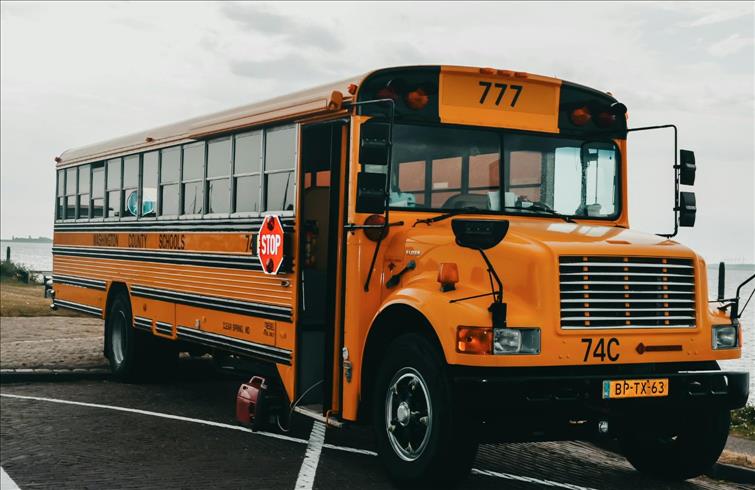
New York Parents Warn About Rising Transportation Issues For Special Needs Students
(MENAFN- Kids Aint Cheap) New York families face many transportation issues for special needs kids – Pexels
For many New York families, getting a child to school safely is no longer a routine part of the day. Parents of children with disabilities are raising concerns about missed pickups, long bus rides, staffing shortages, and missing accommodations tied to special education transportation. When a child depends on a predictable schedule, medical support, or behavioral accommodations, transportation problems can affect far more than arrival time. Families say the growing strain is disrupting education, family finances, and student well-being.
Why Special Education Transportation Is Becoming a Bigger ConcernSpecial education transportation is not simply a school bus ride for many students. Some children require wheelchair access, travel time limits, air conditioning, safety harnesses, or trained bus aides written into their Individualized Education Programs, known as IEPs. New York City schools recognize that specialized transportation may be required when a student's medical, cognitive, emotional, or physical needs make standard transportation unsafe. When these supports are delayed, missing, or inconsistently provided, parents say the consequences can include anxiety, missed instruction, and safety risks. Families argue that reliable transportation is not an optional service but an essential educational support.
Parents Describe Delays, Long Routes, and Daily StressFamilies across New York have described transportation challenges that go far beyond occasional late buses. Parents and disability advocates have reported students missing weeks of transportation, enduring extremely long rides, or lacking required accommodations despite documented needs. For a child with autism, epilepsy, mobility limitations, or sensory sensitivities, an extended commute can trigger exhaustion, behavioral setbacks, or medical concerns. Many parents say the unpredictability also affects work schedules, childcare costs, and household stability. What might appear to be a scheduling issue can quickly become a daily crisis for families already juggling complex care responsibilities.
Safety and Accountability Remain Top Concerns for FamiliesTransportation problems are not only about timing; safety remains a major concern for caregivers. Parents worry about whether drivers and bus aides receive adequate training for students with communication challenges, behavioral needs, or medical conditions. Recent incidents involving special needs transportation workers in New York have intensified public concern about oversight and student protection. Families often ask a simple question: if accommodations are legally required, who ensures they are consistently delivered every day? Many caregivers say stronger accountability measures and better communication could help rebuild trust.
What Parents Can Do When Special Education Transportation Breaks DownParents facing recurring transportation issues are not powerless, even though the process can feel overwhelming. Experts often recommend documenting missed pickups, excessive delays, unsafe conditions, and communication failures with dates, screenshots, or written logs. Families can also request an IEP review if transportation accommodations are not meeting a child's documented needs or if new concerns emerge. Keeping organized records may help when speaking with school districts, advocates, attorneys, or special education support organizations. Knowing your rights and staying proactive can make a meaningful difference when special education transportation problems continue.
Behind New York's Transportation ComplaintsThe debate over special education transportation is really about educational access and trust. A child cannot fully benefit from school services if getting to class becomes a daily struggle filled with uncertainty, missed supports, or safety fears. Parents warning about rising transportation issues are pushing for something many families consider basic: reliable, respectful, and appropriately supported transportation for vulnerable students.
What has your experience been with special education transportation in New York or your own community, and what changes do you believe schools should make? Share your thoughts in the comments and join the conversation.

Legal Disclaimer:
MENAFN provides the
information “as is” without warranty of any kind. We do not accept
any responsibility or liability for the accuracy, content, images,
videos, licenses, completeness, legality, or reliability of the information
contained in this article. If you have any complaints or copyright
issues related to this article, kindly contact the provider above.
Most popular stories
Market Research

More Story







Comments
No comment