




403
Sorry!!
Error! We're sorry, but the page you were looking for doesn't exist.
The 'Good At School, Meltdown At Home' Pattern More Families Are Talking About
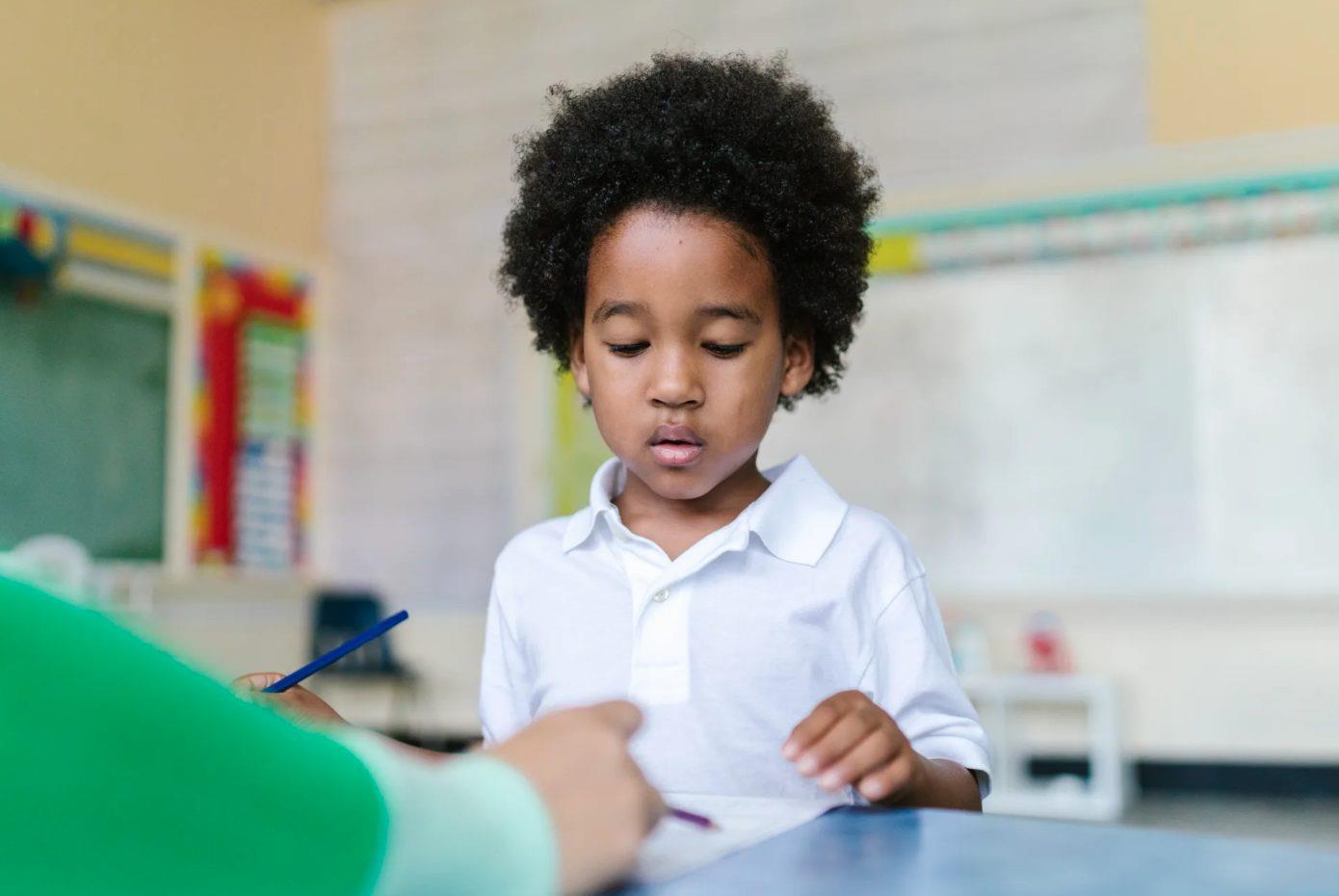
(MENAFN- Kids Aint Cheap) Many children nowadays function during school but crash when they get home – Pexels
Some children walk into school smiling, follow directions, finish assignments, and even get praised as“easy students.” Then they come home and everything changes. A simple question about homework can trigger tears, yelling, or total emotional shutdown. The good at school meltdown at home pattern is becoming a familiar conversation among parents, teachers, and mental health professionals trying to understand what is happening behind closed doors.
Why Some Kids Hold It Together All Day - Then Fall Apart at HomeFor many children, school demands intense emotional effort that adults do not always see. They may spend six or seven hours managing noise, social rules, academic expectations, sensory overload, or anxiety while trying to appear calm and capable. By the time they get home, their emotional“battery” is empty, and home becomes the safest place to release built-up stress. Pediatric therapists often describe this as restraint collapse, a phenomenon where children suppress emotions in structured environments and decompress later. This good at school meltdown at home experience does not automatically mean a child is manipulative, spoiled, or behaving differently on purpose.
The Pattern Often Shows Up in Surprisingly High-Functioning KidsMany parents are shocked because their child earns good grades, follows classroom routines, and receives glowing teacher reports. Yet strong school performance does not cancel out emotional strain, especially for children with anxiety, ADHD, autism, learning differences, or perfectionist tendencies. A child who spends all day masking worries or sensory discomfort may appear“fine” to others while struggling internally. Research published by organizations like the Child Mind Institute and ADDitude has highlighted how emotional regulation challenges can hide behind academic success. The good at school meltdown at home pattern is not limited to one diagnosis, personality type, or parenting style.
What Meltdowns at Home Can Really Be SignalingA meltdown is not always defiance or bad behavior, even when it looks intense. It can signal emotional overload, unmet sensory needs, social exhaustion, fear of failure, or difficulty transitioning from structured to unstructured time. Imagine an eight-year-old who spends all day worrying about saying the wrong thing in class, then explodes over the“wrong” snack after school. The snack is rarely the real issue. Understanding the root cause helps families respond with curiosity instead of shame, punishment, or confusion.
How Parents Can Respond Without Making Things WorseWhen emotions are already running high, jumping immediately into lectures, consequences, or homework reminders can unintentionally escalate the situation. Many child psychologists recommend building a decompression routine after school, such as quiet time, snacks, movement, screen-free downtime, or sensory-friendly activities. Parents can also look for patterns by tracking when meltdowns happen, what preceded them, and how long recovery takes. These observations can help uncover triggers that are easy to miss during stressful moments. Supporting a child through the good at school meltdown at home cycle often starts with reducing pressure before addressing behavior.
When Families Should Consider Professional SupportOccasional emotional blowups are part of childhood, but persistent, intense meltdowns that affect daily functioning deserve attention. If a child shows ongoing anxiety, sleep problems, school avoidance, aggression, severe emotional swings, or distress that impacts family life, a pediatrician or licensed mental health professional can help. Early support matters because emotional regulation challenges do not always disappear with age. Parents should not wait for a crisis or assume they must“fix” everything alone. Seeking help is a practical step toward understanding what a child may not yet have words to explain.
The Message Behind This Growing Family ConversationThe good at school meltdown at home pattern reminds families that outward success does not always reflect inner well-being. Children can be capable, bright, cooperative, and still quietly overwhelmed by the demands of daily life. Looking beyond behavior to understand stress, emotional exhaustion, and hidden struggles can strengthen trust between parents and children. Compassion does not mean lowering expectations; it means responding with better information and clearer support.
Have you seen this pattern in your home or community, and what helped? Share your thoughts in the comments - your experience could help another family feel less alone.

Legal Disclaimer:
MENAFN provides the
information “as is” without warranty of any kind. We do not accept
any responsibility or liability for the accuracy, content, images,
videos, licenses, completeness, legality, or reliability of the information
contained in this article. If you have any complaints or copyright
issues related to this article, kindly contact the provider above.
Most popular stories
Market Research

More Story








Comments
No comment