




403
Sorry!!
Error! We're sorry, but the page you were looking for doesn't exist.
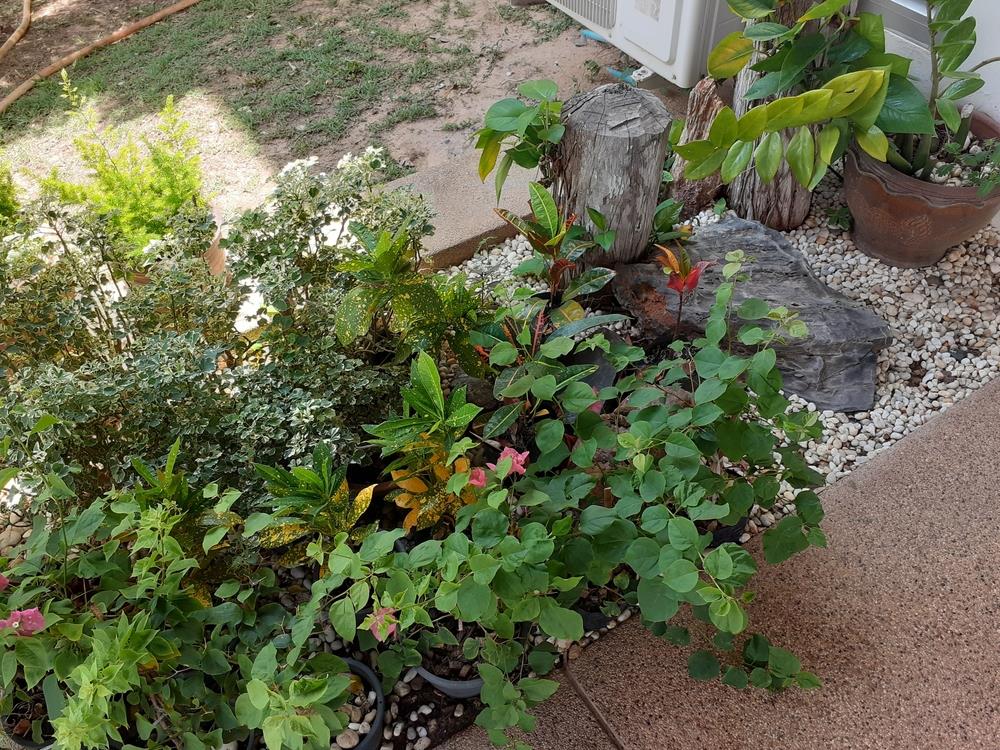
6 Small Garden Solutions That Maximize Space
(MENAFN- Frugal Gardening) If you don't have a ton of space, there are certain small garden solutions that can help you – Shutterstock
Small gardens often pack more personality than sprawling yards ever could. Every square foot matters, and smart design choices can turn even the tiniest patio, balcony, or backyard corner into a productive green retreat. Limited space does not limit creativity-it sharpens it.
Gardeners who think vertically, multi-functionally, and strategically often harvest more from compact plots than from traditional layouts. With the right approach, small spaces become efficient, beautiful, and surprisingly abundant growing zones.
1. Vertical Gardening Turns Empty Walls Into Growing PowerhousesVertical gardening transforms bare walls, fences, and railings into productive growing surfaces that save ground space instantly. This approach works especially well for herbs, strawberries, lettuce, and trailing flowers that naturally adapt to upward structures. A well-planned vertical setup increases planting capacity without expanding the footprint of the garden. Trellises, wall-mounted planters, and stacked containers all support this method effectively.
Strong plant selection matters just as much as structure when building vertical gardens. Lightweight containers filled with well-draining soil prevent stress on walls and make maintenance easier. Regular watering schedules matter more here because elevated systems dry out faster than ground beds. This method turns unused vertical space into a high-yield growing system that fits almost anywhere.
2. Raised Beds Create Order and Maximize Every Inch of SoilRaised beds bring structure and efficiency to small gardens by clearly defining planting zones. These beds allow gardeners to control soil quality, drainage, and spacing without wasting valuable ground area. Compact rectangular or square designs often outperform irregular garden layouts in tight spaces. Vegetables like carrots, peppers, and leafy greens respond especially well to this controlled environment.
Gardeners often stack productivity into raised beds by using intensive planting techniques. Close spacing methods like square-foot gardening increase yield without crowding plants excessively. Wooden or metal frames keep soil contained and reduce weed competition, which saves time and effort. This approach turns limited ground space into a highly organized and productive growing system.
3. Container Gardening Brings Flexibility to Any SpaceContainer gardening unlocks planting opportunities on patios, balconies, steps, and even rooftops. Pots, barrels, and grow bags allow gardeners to move plants based on sunlight, weather, and seasonal needs. This flexibility makes containers one of the most adaptable small-space solutions available today. Herbs, tomatoes, dwarf citrus trees, and flowers all perform well in containers when cared for properly.
Drainage and soil quality play a major role in container success. High-quality potting mix supports root development better than standard garden soil. Strategic grouping of containers helps maximize space while creating visually appealing arrangements. This method allows gardens to expand or contract easily without permanent structural changes.
4. Companion Planting Stacks Crops Without Expanding SpaceCompanion planting pairs crops that grow well together, allowing gardeners to stack productivity within the same area. Tall plants like corn or sunflowers provide natural support for climbing beans, while low-growing crops fill shaded gaps below. This layered approach increases harvest diversity without requiring additional space. It also helps reduce pests by naturally balancing plant interactions.
Smart pairings improve soil health and reduce nutrient competition. Basil often grows well beside tomatoes, while marigolds help deter unwanted insects from vegetable beds. Thoughtful planning prevents overcrowding and ensures each plant contributes to the overall system. This method turns small plots into interconnected growing ecosystems.
5. Folding and Mobile Garden Features Add Hidden SpaceFolding tables, wheeled planters, and modular garden setups help maximize flexibility in tight areas. Mobile containers allow gardeners to shift plants for sunlight optimization or weather protection. Folding features also free up space when not actively gardening, which keeps patios and balconies usable for other activities. This adaptability makes small gardens feel larger than they actually are.
Lightweight materials like resin, fabric grow bags, and aluminum frames make mobility easier. Seasonal rotation becomes simple when plants move instead of permanent structures. Storage-friendly designs also reduce clutter and improve accessibility. This approach creates a dynamic garden that adjusts to daily needs instead of staying fixed.
6. Smart Plant Selection Reduces Waste and Boosts EfficiencyChoosing compact, high-yield, or dwarf plant varieties directly improves small garden performance. Bush beans, cherry tomatoes, and compact herbs deliver strong harvests without taking over entire beds. Plants bred for small spaces naturally fit tighter layouts and reduce maintenance pressure. This strategy ensures every inch of space produces meaningful results.
Fast-growing crops also help maximize turnover in limited areas. Lettuce, radishes, and spinach mature quickly and allow multiple planting cycles per season. Selecting plants with similar water and sunlight needs simplifies care routines. This focused approach keeps small gardens productive, efficient, and visually balanced.
Small Spaces, Big Green PotentialSmall gardens reward creativity, planning, and smart design choices more than sheer size ever could. Vertical systems, raised beds, containers, companion planting, mobile setups, and smart plant selection all work together to transform tight spaces into productive green zones. Each method builds efficiency while reducing wasted space and effort. Gardeners who combine these solutions often create surprisingly abundant harvests from even the smallest corners.
What small garden trick has made the biggest difference in your space, and how did it change your growing results?

Legal Disclaimer:
MENAFN provides the
information “as is” without warranty of any kind. We do not accept
any responsibility or liability for the accuracy, content, images,
videos, licenses, completeness, legality, or reliability of the information
contained in this article. If you have any complaints or copyright
issues related to this article, kindly contact the provider above.
Most popular stories
Market Research

More Story








Comments
No comment