




403
Sorry!!
Error! We're sorry, but the page you were looking for doesn't exist.
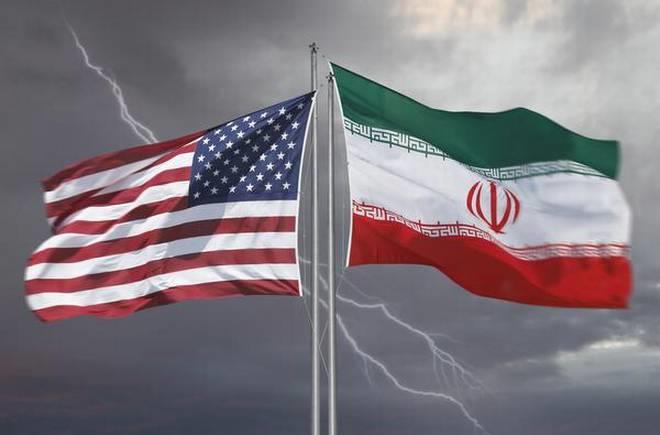
Iran-US Talks Narrow Gaps, Not Decades Of Distrust
(MENAFN- Kashmir Observer) New Delhi- Iran said on Sunday it remained deeply distrustful of the United States despite signs of progress in negotiations aimed at ending months of conflict, warning it would retain leverage to respond if Washington failed to honor any future commitments, as criticism mounted within President Donald Trump's Republican Party over the contours of an emerging deal.
ADVERTISEMENT
The comments reflected the difficult balancing act facing negotiators as diplomatic momentum appears to be growing around efforts to convert a fragile ceasefire into a broader political settlement, while major disagreements persist over sanctions, frozen Iranian assets, nuclear issues and regional security arrangements.
ADVERTISEMENT
“Iran has no goodwill toward America,” an informed source told Iran's semi-official Tasnim news agency, adding that exchanges through Pakistani mediation were being conducted under conditions of“constant mistrust” toward Washington.
The source said no final agreement had been reached and disputes remained over several provisions.
“Even if an initial understanding is reached, it does not mean Iran has changed its view of America,” the source said.“If America breaches its commitments, Iran will retain its leverage to respond.”
The remarks came as U.S. President Donald Trump suggested negotiators should not rush.
“I have informed my representatives not to rush into a deal; time is on our side,” Trump wrote on social media, adding that the naval blockade on Iran would remain in place until any agreement was“reached, certified and signed.”
Pakistan, which has increasingly emerged as a key intermediary between Tehran and Washington, said it hoped another round of negotiations could take place soon after hosting unprecedented face-to-face talks between American and Iranian representatives earlier this year.
Prime Minister Shehbaz Sharif said Islamabad hoped to host fresh talks“very soon”.
Diplomatic activity has intensified following a ceasefire that paused weeks of fighting after U.S. and Israeli strikes on Iran in late February triggered retaliatory Iranian attacks and heightened fears of a wider regional conflict.
ADVERTISEMENTAlthough recent diplomatic contacts have raised hopes of a breakthrough, Iranian media suggested important gaps remained unresolved despite reports that a broader framework agreement may be approaching completion.
Tasnim rejected reports in Israeli media claiming Iran had agreed to link access to frozen assets with the transfer of enriched uranium stockpiles.
The agency said Tehran viewed immediate access to part of its frozen funds as a non-negotiable condition of any preliminary understanding.
“If the release of frozen assets does not happen, one of Iran's red lines will have been crossed, and there will be no understanding,” the report said.
Read Also Iran Rejects Rubio Remarks, Blames US Sanctions for Energy Crisis Trump Says Iran Deal, Hormuz Opening 'Largely Negotiated'Iranian officials have also sought to separate current discussions from technical details involving its nuclear programme.
According to Iranian accounts, negotiations at this stage are focused primarily on ending hostilities and establishing a framework to prevent renewed conflict, with more contentious issues potentially deferred to later stages.
Still, officials have issued warnings over the consequences of any collapse in diplomacy.
Mohsen Rezaei, a senior adviser to Iran's Supreme Leader, said renewed U.S. military action could trigger stronger Iranian responses, including moves involving maritime restrictions and a possible withdrawal from the Nuclear Non-Proliferation Treaty.
Separately, the emerging outlines of a possible agreement have exposed divisions within Trump's political base.
Several senior Republican figures and conservative allies questioned whether the administration was conceding too much to Tehran after months of confrontation.
Senator Ted Cruz said any arrangement allowing Iran to retain enrichment capabilities or strengthen regional influence would amount to a strategic failure.
“If the result of all that is an Iranian regime receiving billions of dollars and having effective control over the Strait of Hormuz, then that outcome would be a disastrous mistake,” Cruz wrote on social media.
Senator Lindsey Graham also warned against any deal leaving Iran in a stronger strategic position, while Senator Roger Wicker criticized proposals involving a prolonged ceasefire.
Former Secretary of State Mike Pompeo compared the emerging framework to the Obama-era nuclear agreement that Trump withdrew from during his first term.
“If reports are accurate, this is not remotely America First,” Pompeo wrote.
Former National Security Adviser John Bolton said reports suggested Tehran could emerge strengthened.
“If reports about the impending Iran deal are correct, the ayatollahs will have won a significant victory,” Bolton wrote.
The criticism highlights growing tensions inside Trump's own political coalition as negotiations move forward.
Polls have shown limited public support for the prolonged conflict, which has imposed heavy financial costs and created disruption across global energy markets after instability in the Strait of Hormuz affected supply chains and prices.
For now, diplomacy appears to be advancing alongside deep skepticism.
While negotiators may be edging closer to an understanding, officials on both sides continue to signal that decades of mistrust remain far from resolved.
Legal Disclaimer:
MENAFN provides the
information “as is” without warranty of any kind. We do not accept
any responsibility or liability for the accuracy, content, images,
videos, licenses, completeness, legality, or reliability of the information
contained in this article. If you have any complaints or copyright
issues related to this article, kindly contact the provider above.
Most popular stories
Market Research

More Story






Comments
No comment