




403
Sorry!!
Error! We're sorry, but the page you were looking for doesn't exist.
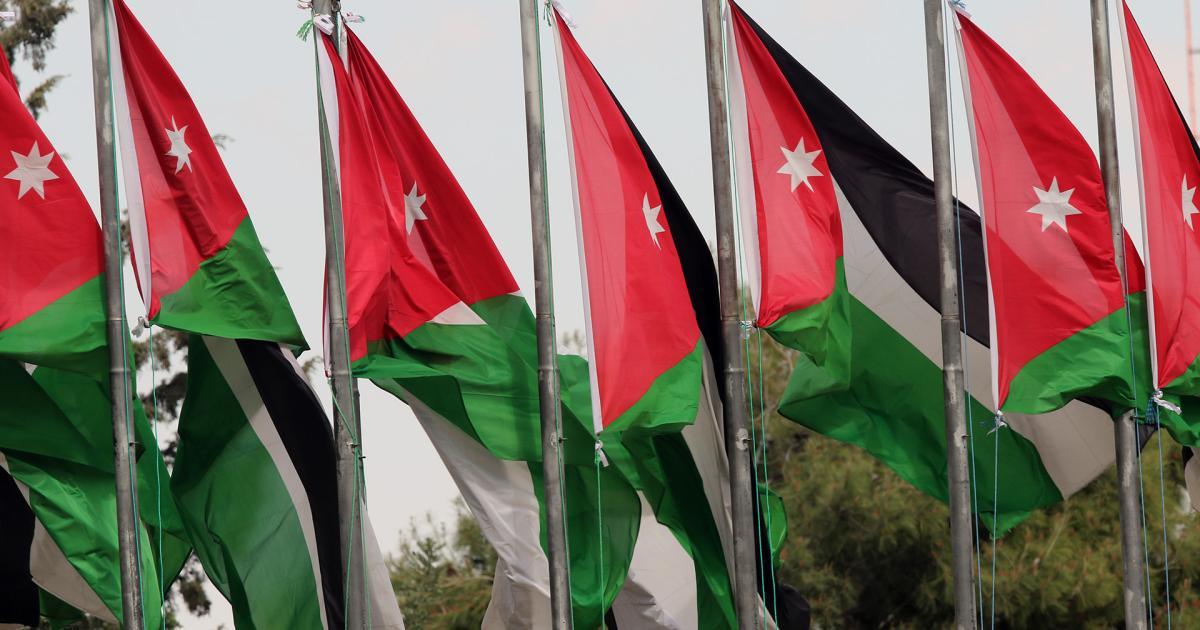
Shteiwi: Internal Stability Has Been The Secret Behind The Resilience Of Jordan's Economy Over 80 Years Of Challenges
(MENAFN- Amman Net) Dr. Mousa Shteiwi, President of the Economic and Social Council, said that the Jordanian economy has gone through multiple stages of transformation and development over the past eight decades, amid challenges related to limited natural resources and regional instability, stressing that internal stability has been the key factor behind the resilience and continuity of the state.
Speaking to the“Tallet Sobh” program, Shteiwi explained that the post-independence period focused on state-building, institution development, and investing in human capital, with education, healthcare, and public services given top priority. This approach laid the foundation for a development model centered on people and human resources.
He pointed out that the 1950s and 1960s represented a foundational stage during which state institutions were established despite difficult political and economic circumstances. Meanwhile, the 1970s witnessed broad economic and service expansion characterized by a strong public sector operating within a mixed economy framework.
Shteiwi noted that the 1980s brought significant economic pressures, followed by the 1990s, when Jordan moved toward privatization programs and economic restructuring amid both domestic and global changes, a transition that coincided with rising unemployment rates.
He added that the beginning of the new millennium marked what many described as a“golden era” of economic growth, during which Jordan achieved high growth rates, expanded its openness to global markets, and encouraged export-oriented industries. However, these gains were later affected by the 2008 global financial crisis and the repercussions of the Arab Spring.
Shteiwi emphasized that Jordan is currently undergoing a comprehensive reform and modernization phase aimed at developing the economy, administration, and political system in ways that improve living standards and strengthen economic growth.
He stressed that maintaining internal stability enabled Jordan to overcome numerous regional and international shocks, while also enhancing investor confidence and ensuring the continuity of economic activity.
He also highlighted the importance of strengthening self-reliance and developing national capabilities across various sectors, especially after crises such as the COVID-19 pandemic, which underscored the importance of food security.
Regarding future challenges, Shteiwi described unemployment as one of the country's most pressing issues, calling for the modernization of education and stronger links between educational outcomes and labor market needs, particularly in technology, advanced industries, and the healthcare and pharmaceutical sectors.
On women's empowerment, Shteiwi said there has been notable legislative and institutional progress, but women's economic participation remains limited due to factors related to the structure of the labor market, as well as the impact of migrant labor on certain sectors.

Legal Disclaimer:
MENAFN provides the
information “as is” without warranty of any kind. We do not accept
any responsibility or liability for the accuracy, content, images,
videos, licenses, completeness, legality, or reliability of the information
contained in this article. If you have any complaints or copyright
issues related to this article, kindly contact the provider above.
Most popular stories
Market Research

More Story







Comments
No comment